
Geoffrey Laycock looks at the issue of fire risk within workshops
Well, actually it is. Many organic materials – flour, sugar, starch, milk powder, to give a few examples – are potentially explosive when they exist as a fine powder and become suspended in air. The mixture must be just right, too little or too much and the ratio of fuel – the powder – to oxygen does not work. For wood dust
the minimum amount is 60g/m3 and particle size usually must be less than 200 microns. Sanding, sawing and machining hardwoods or MDF, chipboard or similar will produce this. For further information refer to HSE leaflet WIS32 – Safe collection of wood waste: prevention of fire and explosion.
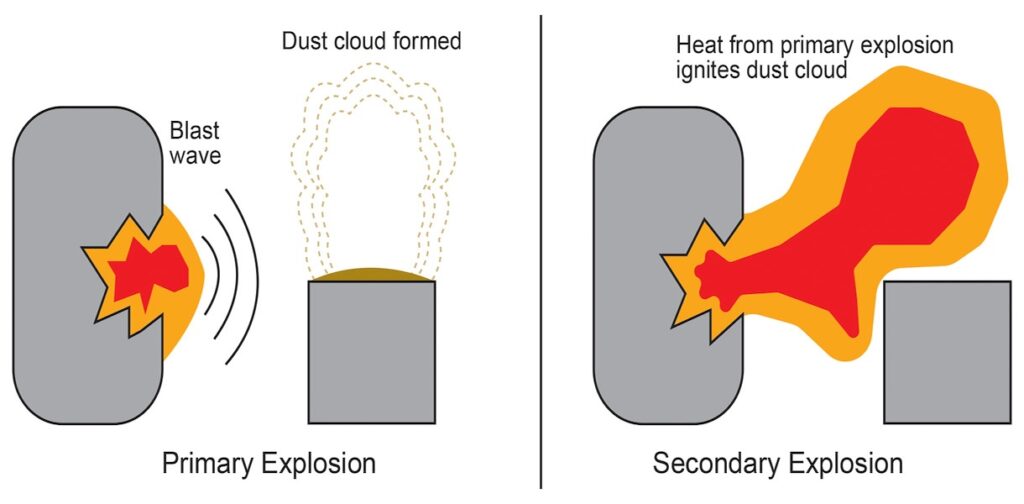
Wood dust explosions are interesting as they usually happen twice. Imagine a small explosion taking place in a dust collector – an uncleaned motor finally overheats and eventually becomes a source of ignition to the dust cloud it is next to. A small bang with little damage but it will send a shockwave through the workshop and all the dust that has settled on top of cupboards, shelves, pipework,s etc. is disturbed and mixes with the air around. We now have the secondary explosion ignited by the first small one and that is when the workshop is destroyed. Often this involves one or more walls being blown out and the roof structure collapsing. Brick walls take a surprisingly small force to push them out, timber frame structures may survive.
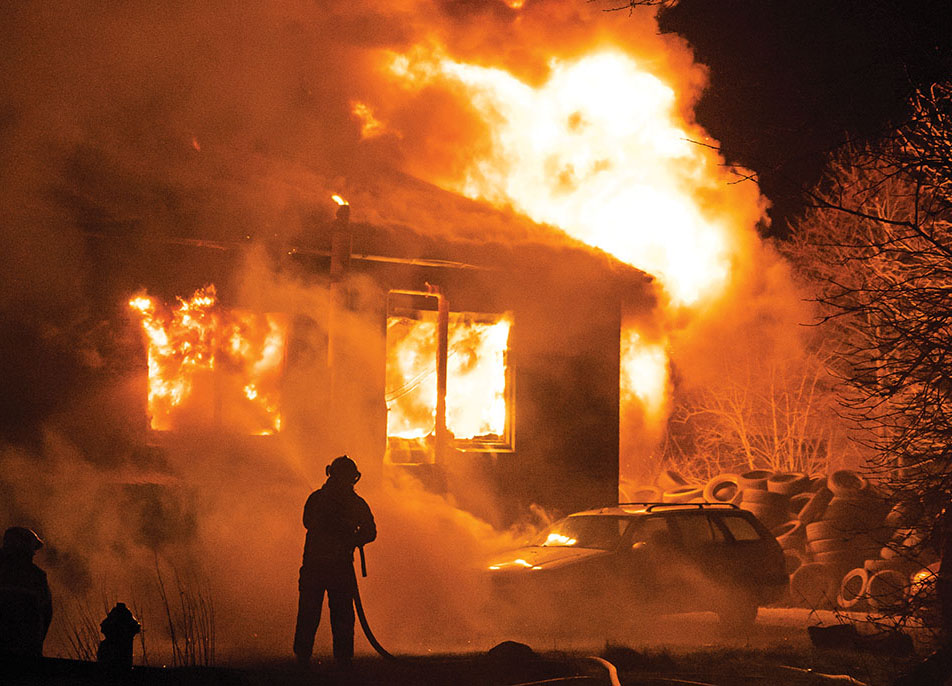
You don’t need an explosion for serious destruction. Fire in systems can be devastating and sometimes for unexpected reasons. I once went to a bakery to investigate a fire and found little evidence of fire damage, yet the MD told me it would be out of action for several financially disastrous weeks. It turned out it had an overheating electric motor that caught fire. The Fire Brigade arrived promptly and, understanding the potential for a substantial dust explosion, proceeded to spray water into all the flour-conveying ductwork, hoppers and everywhere else. We will never know if that prevented a likely explosion happening but what it did manage was to turn the cost of one motor plus downtime into two-plus weeks of closed bakery. Did the Fire Brigade over-react? Maybe, but explosions in flour mills have been frequent and planned precautions assume they will happen. Imagine the potential for water damage in your workshop if you had a fire.
Are you likely to have an explosion? A fire is more likely and I can see a workshop at risk from a mile away. Offcuts and shavings everywhere, dodgy electrical repairs, dust on every surface visible, open containers of flammable liquids, contaminated cloths sitting around, open electric or gas fires and please – never, ever use a propane-fired torpedo heater. The simple precautions to take should be obvious.