
Timber isn’t a dead material, even though it is cut from a felled tree, because it continues to move and we need to be prepared for that…
Although there are so many different species of tree, their timbers have certain things in common. One of them is the movement caused by losing fluid from tiny tubular vessels, used to carry water and sugars when it’s being dried out and then regaining it again if it gets damp. Wood is hygroscopic – it attracts moisture as it attempts to be in balance with the surrounding atmosphere.
Tree trunks are cut straight through the annular rings without consideration to the way the timber will twist or ‘cup’ as it dries out, and you have problems if care isn’t taken in preparation, design and construction using this natural product.
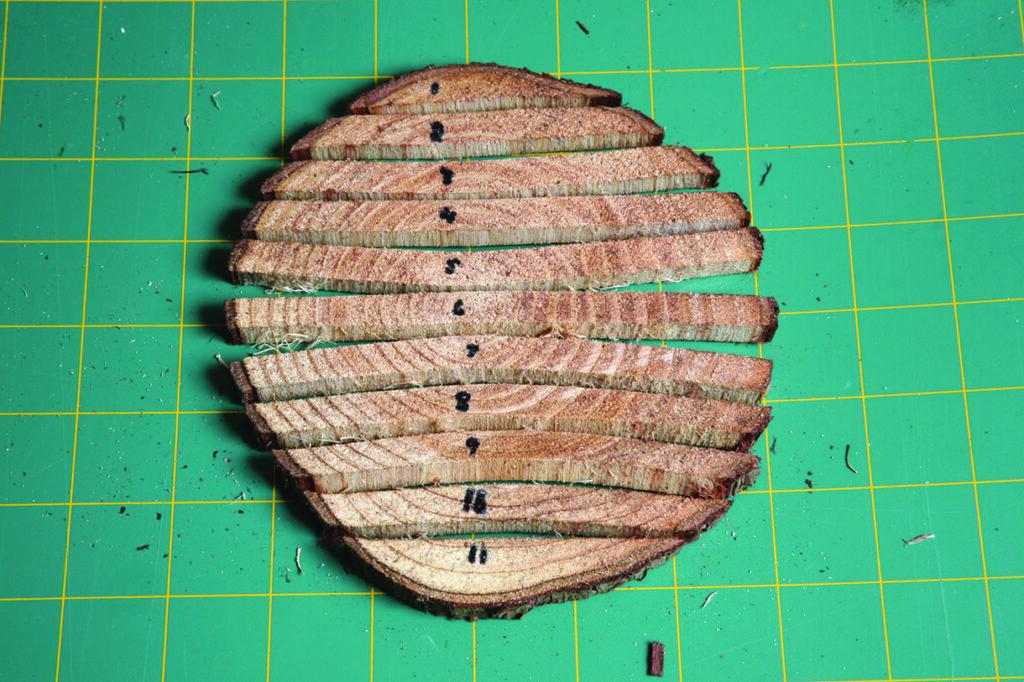
Timber conversion
We don’t often get control over supply, but it is generally considered best to fell a tree later in the year as its life support systems are closing down and putting it into a state of suspended animation. At this point if it is deciduous, the leaves have left the tree because water and sugars have travelled down to the base of the tree. Equally, water and dissolved substances are not being sent upwards either and the outer portion of the trunk will be denser and a bit harder than early year sapwood.
Nowadays, trees are not often quarter sawn because it is wasteful in time and wood. Instead the logs are sawn ‘through-and-through’, which means you will not only get different grain patterns on the face of slices as you go through the log, but there will be more tendency to cup with the outer slices.
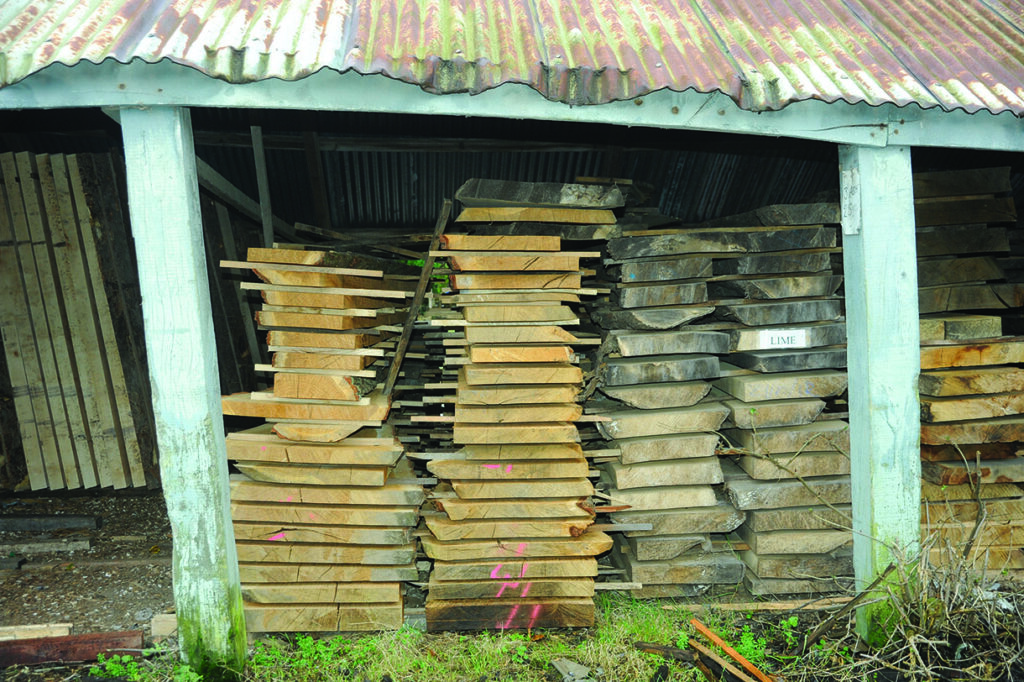
A converted tree log can be dried out in several ways. The traditional way is to put it ‘in stick’ air-drying under cover outdoors. This is a lengthy process which, for joinery or cabinet timber, needs to be dried further. This is best either in a large heated kiln or a homemade dehumidification kiln which doesn’t heat up, but pulls moisture from the atmosphere surrounding the wood; this foregoing knowledge can help us plan our work.
Key points
A tree cut down late may be more stable, but bark-covered top and bottom trunk slices (which are ‘chord’ shaped) may be better cut into smaller, more stable sections. Air-dried only timber should be used for outdoor structures, or large timber-framed buildings where kilning becomes impractical due to size.
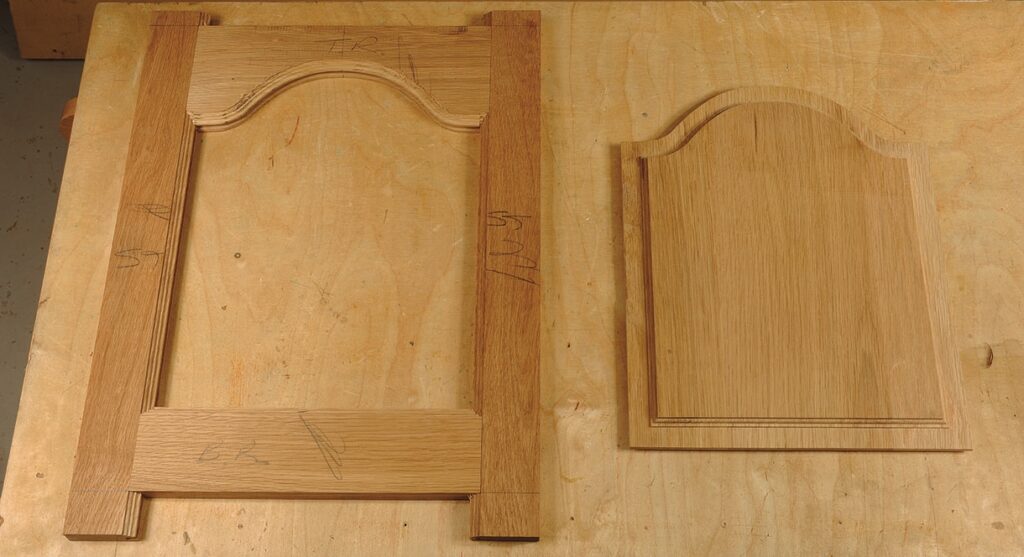
Kiln-dried timber creates tension in thicker boards as the outside becomes drier or ‘baked’, so splitting the timber down through its edge to create to two boards is never a good idea as it will spring out of shape. Timber from a dehumidification kiln will be more stable as heating is absent; drying is also remarkably quick and can be done in a homemade drying cabinet. Because timber keeps moving each time it is processed, cutting it oversize in thickness and width, and allowing it to settle in an atmosphere similar to the final use atmosphere such as a centrally heated home will be more stable to work with. Shrinkage ‘along the grain’ is negligible, but very noticeable ‘across the grain’ as the cells close up. So when you’re making panelled doors the panel needs to be able to move in the frame and be a tighter fit in the frame, across the width of the panel.
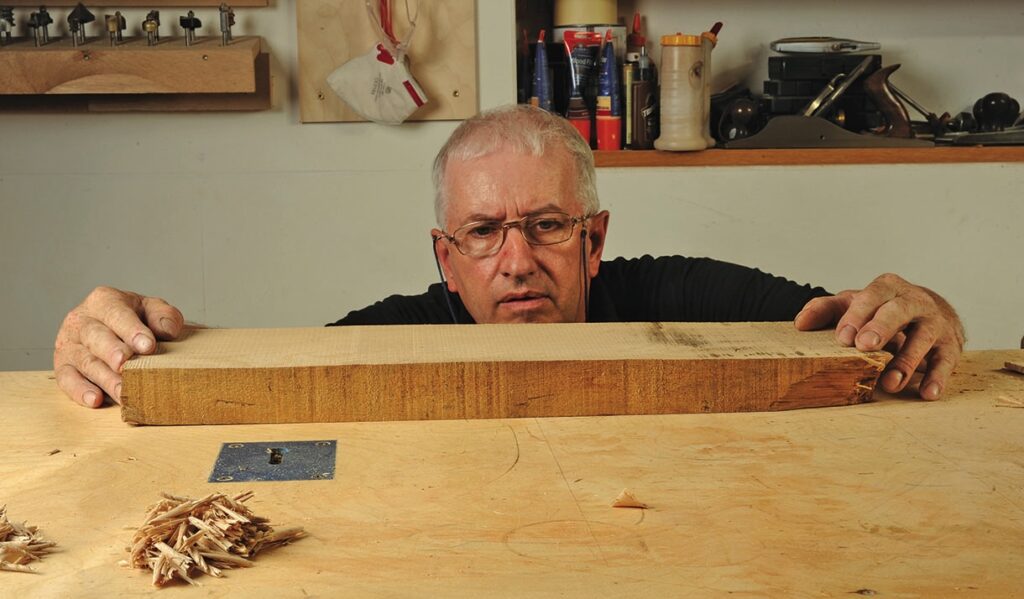
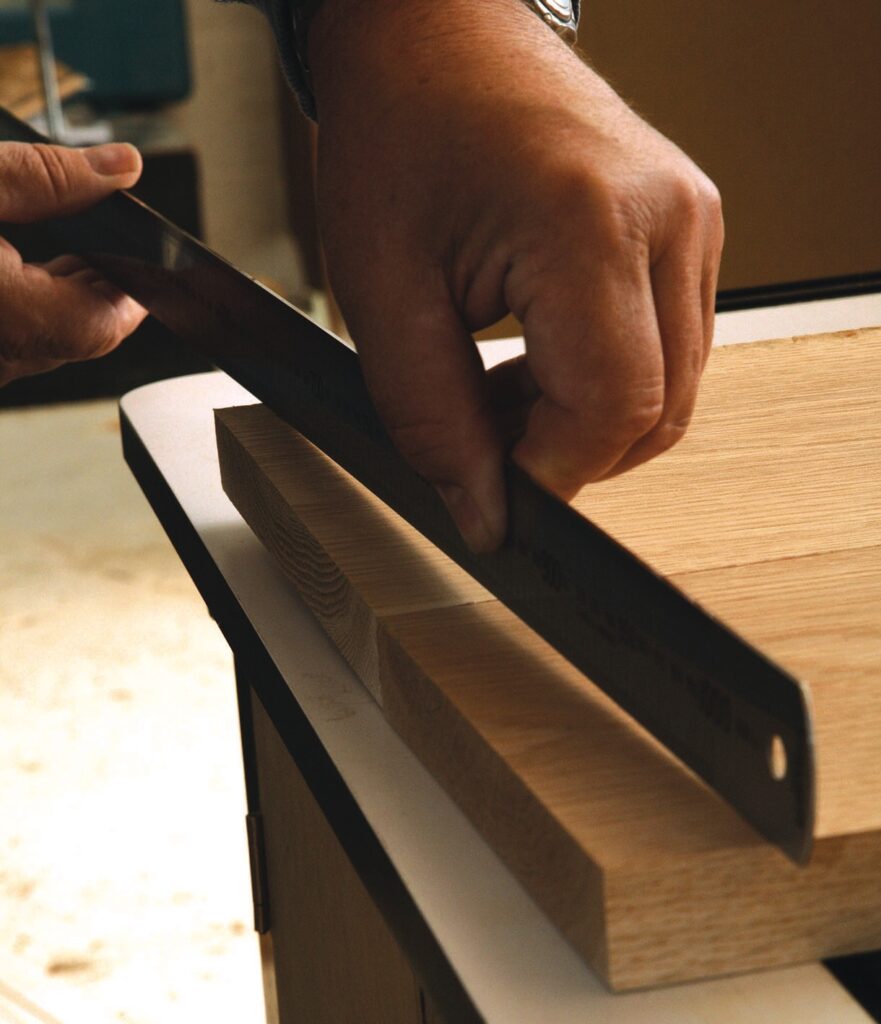
Wide boards for table tops and the like are usually made from a series of strips to minimise the bowing tendency across the grain. Each board is placed the reverse way up to the last one, so the annual rings are opposite ways up. However, this can upset the grain pattern unduly. I would contend that sawing a wide board into strips, planing the edges and rejoining it all lying the same way up will have a similar effect, as the annual rings have been split by doing this.
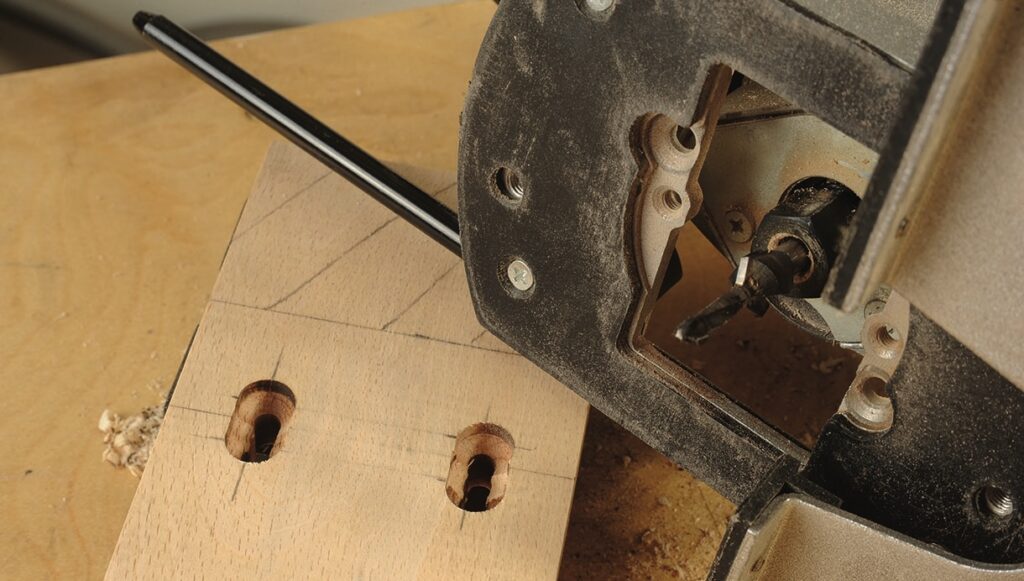
Now we come to looking at design and making. Plywood and MDF make stable groundwork for panels and table tops which can be veneered over, but a solid top will always want to shrink across the grain and try to bow if it is allowed to. Antique furniture, made in cold humid workshops, made its way into homes with open fires and more recently, central heated homes; inevitably shrinkage and splitting has occurred as a result. Modern furniture has ‘buttons’ – wooden blocks under table tops that locate in slots, thus allowing the top to shrink safely while holding the top down. A fault noted on antique dropleaf tables is that the leaves stick out at a slight angle because the top in the middle has shrunk so much the leaves can no longer hang down as straight as they should. We should be able to design a table so there is enough of a shrinkage factor to avoid the problem.
When you are creating a design for any piece of furniture a shrinkage factor is essential. If you have shelves with cross pieces or brackets underneath, have slots in them so the shelves can shrink without damage. Using veneered manmade board for panels, while reserving solid timber for framework, can save a lot of problems occurring. When you next make something, bear in mind wood really is still a living material and you should respect its natural behaviour.
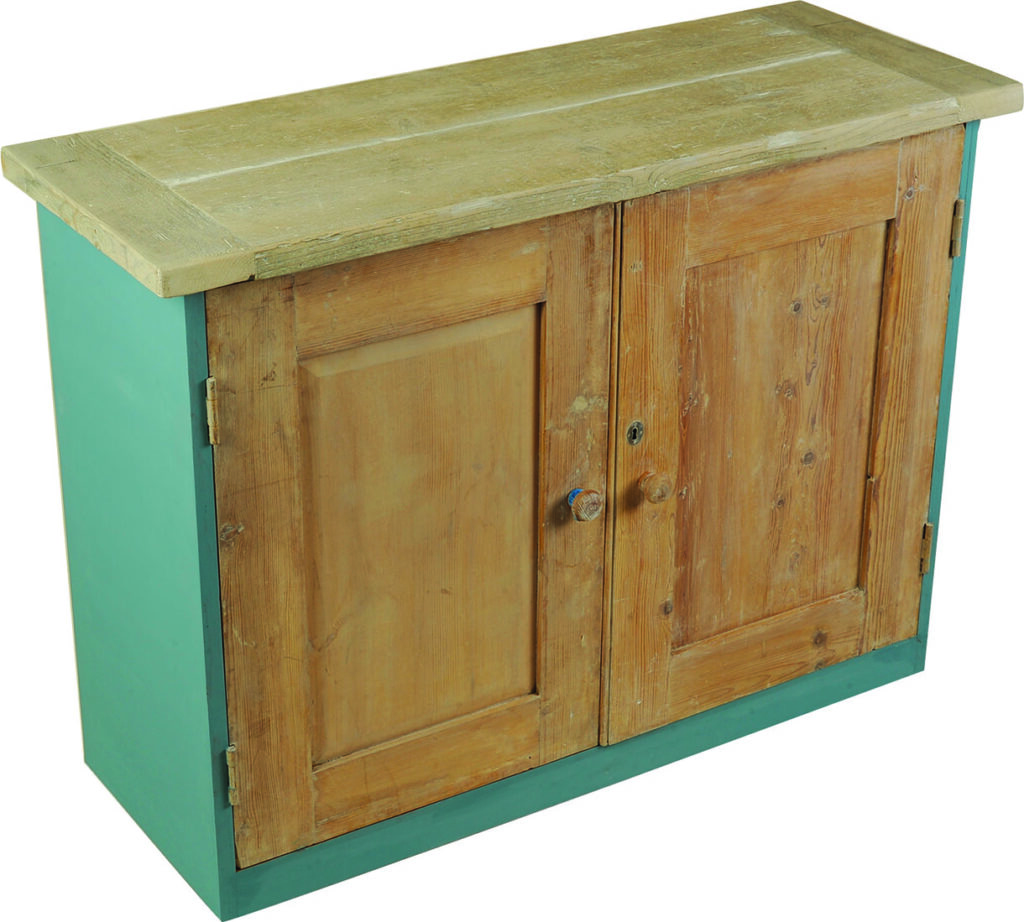
to shrink. The carcass is plywood, which is inherently stable in all planes