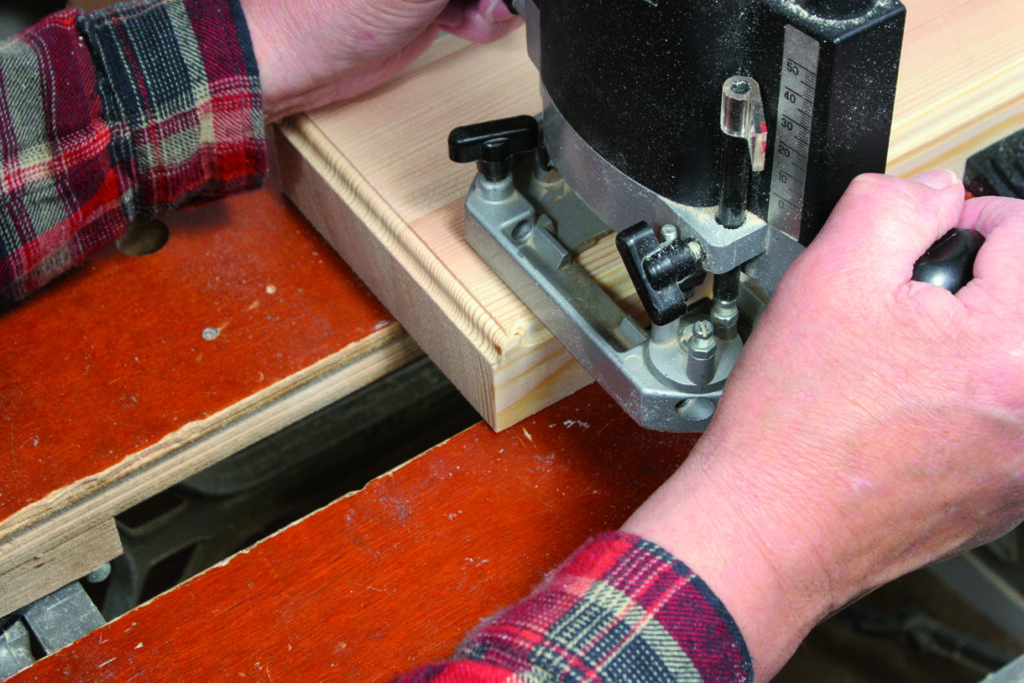
What to do about router cutter burns
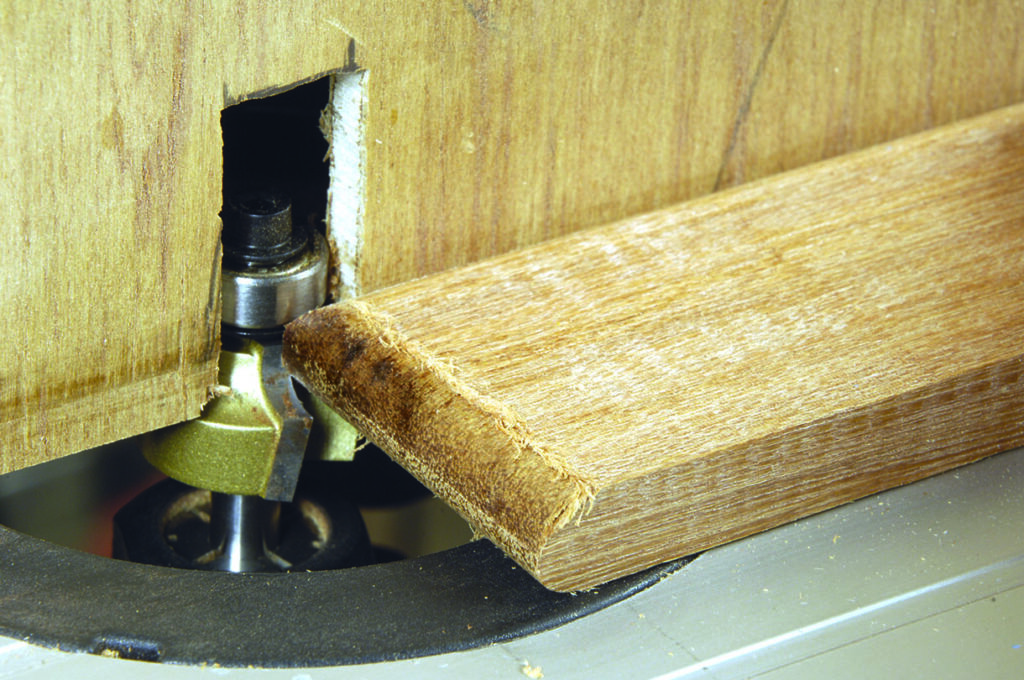
Burning tends to happen more on end grain than long grain. There are reasons for this. End grain fibres are tougher and aren’t cut through as quickly and easily as the sides of the fibres working with the grain. We are
also usually moving more slowly with the router because of this and because the shorter end grain passes often need more care. How to resolve this problem? TCT (Tungsten Carbide Tipped) cutters have different ‘cutting geometry’ than the less common HSS (High Speed Steel) type, so they are perhaps more prone to heating up on end grain passes. To mitigate this try a couple of things and note the difference. Experiment on test pieces before an actual project if you can.
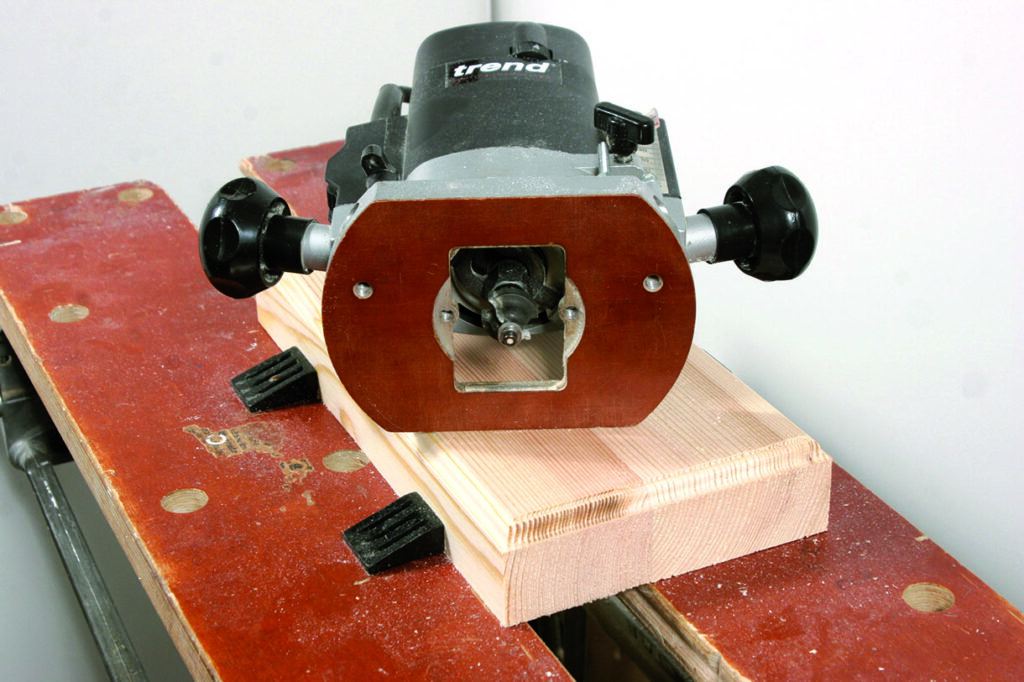
Take more than one pass so you remove material in stages. Make the penultimate pass quite close to the final one. This means that on the final pass you will remove very little wood, so it reduces the heating effect and will also give a smoother result too.
If your cut is the final one and you have burn marking, start the cut at the same depth but at the finish end of the pass, and move backwards over where the cutter has just been. This counts as ‘climb cutting’, which is frowned on as risky unless you are very experienced because the cutter is brushing into the wood rather than cutting into it. However as you are taking off a miniscule amount in this case, it is safe to do. It is rather like shaving facial stubble, the blade first cutting in one direction, then another direction to give a nice smooth shave!