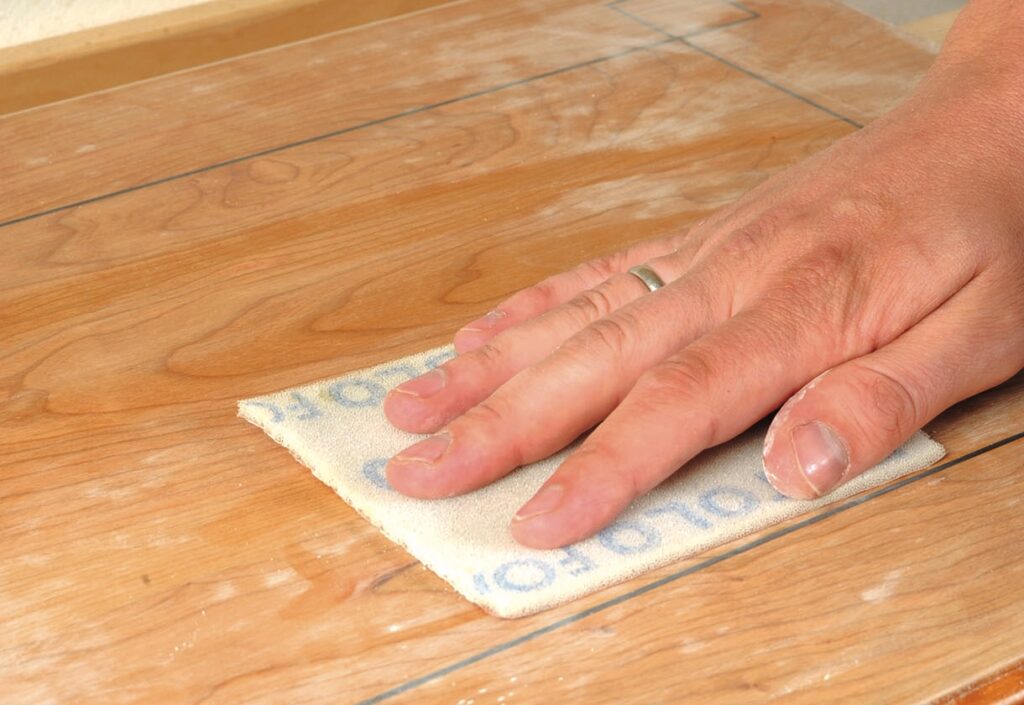
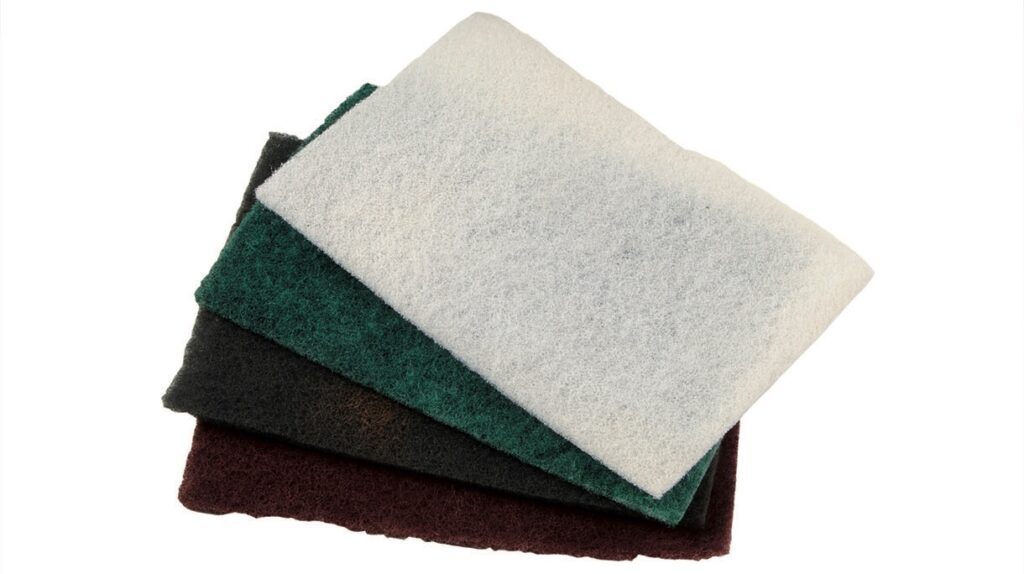
Abrasives need to work well to do their job, so we have some useful tips to help you with your sanding
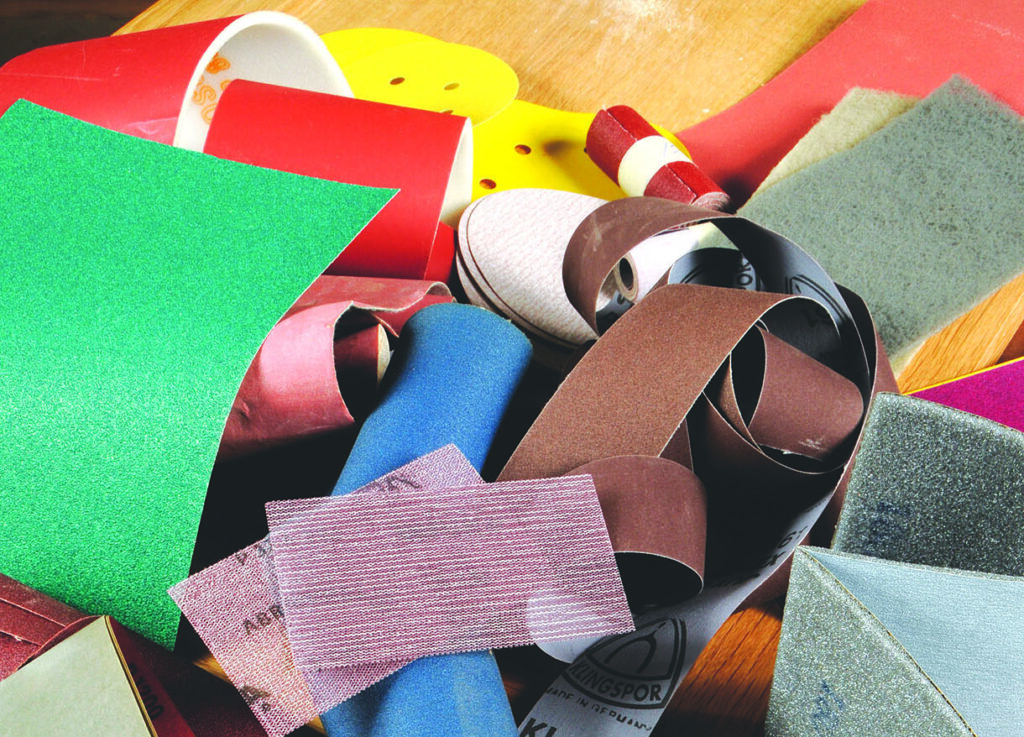
There has never been a wider range of abrasives to choose from; some can be found in any DIY superstore while others can be bought from trade suppliers or specialist woodworking dealers. It is worth avoiding good old-fashioned sandpaper and using more modern types for some very good reasons.
1. The modern standard abrasive paper is created using aluminium oxide granules. It isn’t the only type available, but is the most commonly used. It comes in various colours and sold as ‘closed coat’ for hand sanding, or ‘open coat’ for machine sanding because the latter does not clog up so easily.
2. Foam blocks coated with abrasive are good for sanding over uneven or moulded surfaces; some have a wedge profile for getting into awkward edges. They can be bought in fine, medium or coarse types.
3. Fine abrasive in various grades are available on a thin, soft foam backing which makes it very flexible and suits a wide variety of work, especially shaped pieces such as woodturning and are suited to fine finish sanding.
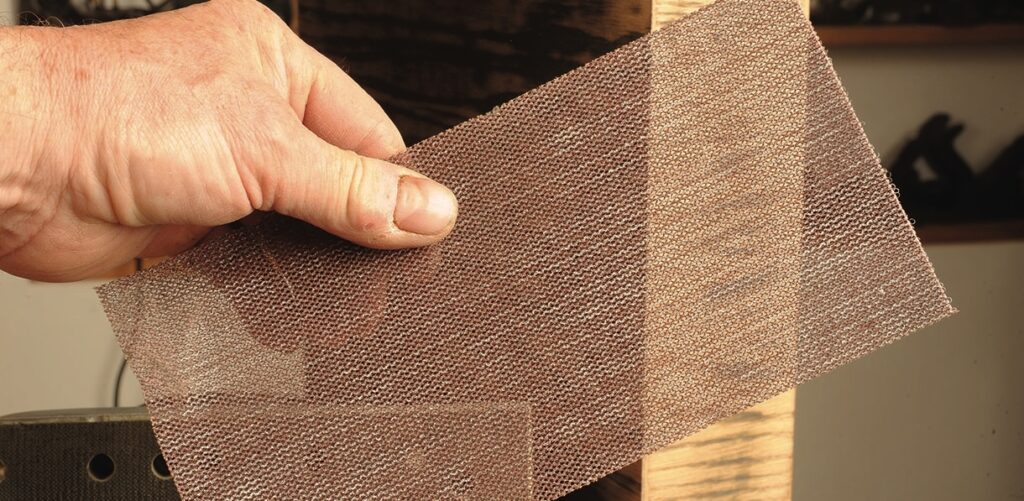
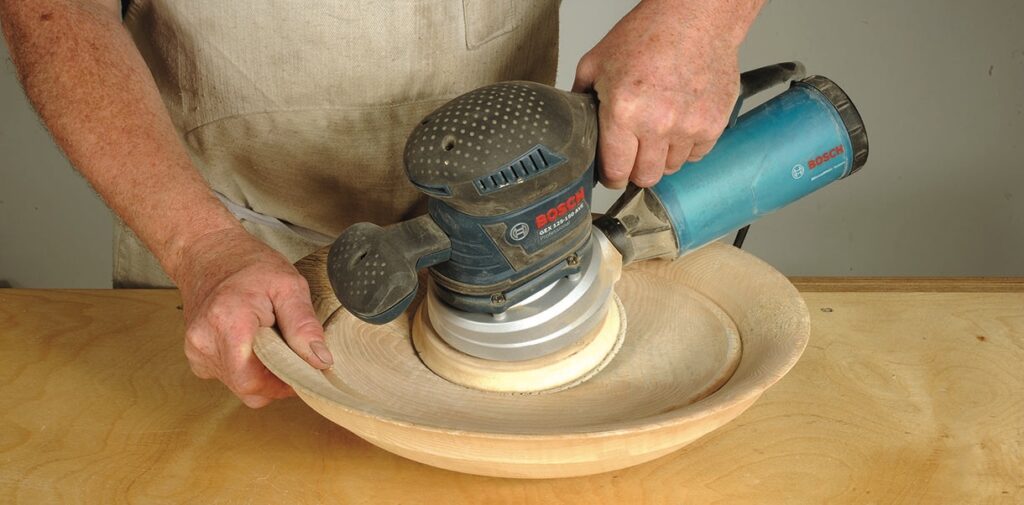
4. Abranet mesh is a revelation to anyone who has never used it before; it is fast and efficient, it doesn’t clog and dust extracts straight through the mesh on a power sander with hook and loop fitting.
5. Small numbers indicate a coarser grade, e.g. 60 grit for example while say, 320 grit is much finer. It refers to the average number of abrasive particles in a square centimetre. Abrasives are available in fine grades that run into the ‘thousands’ but are not necessary for most woodworking tasks.
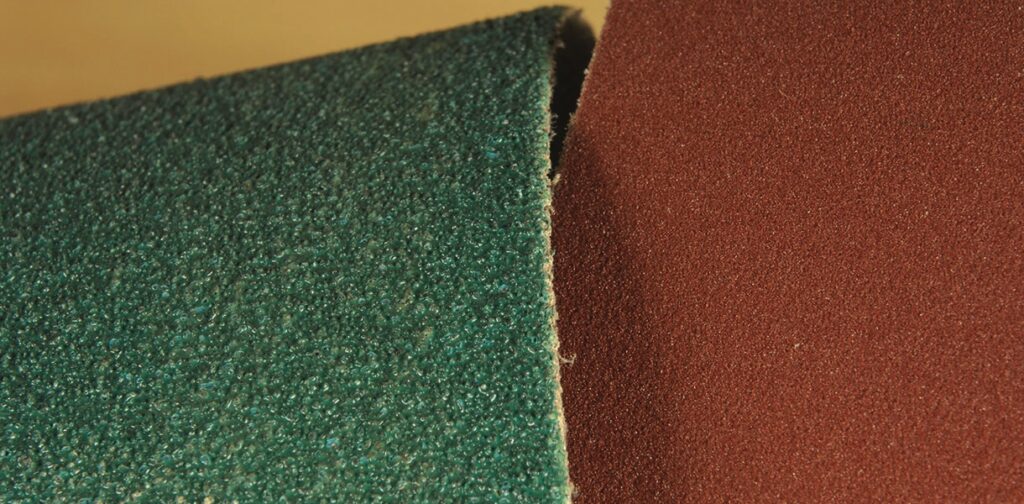
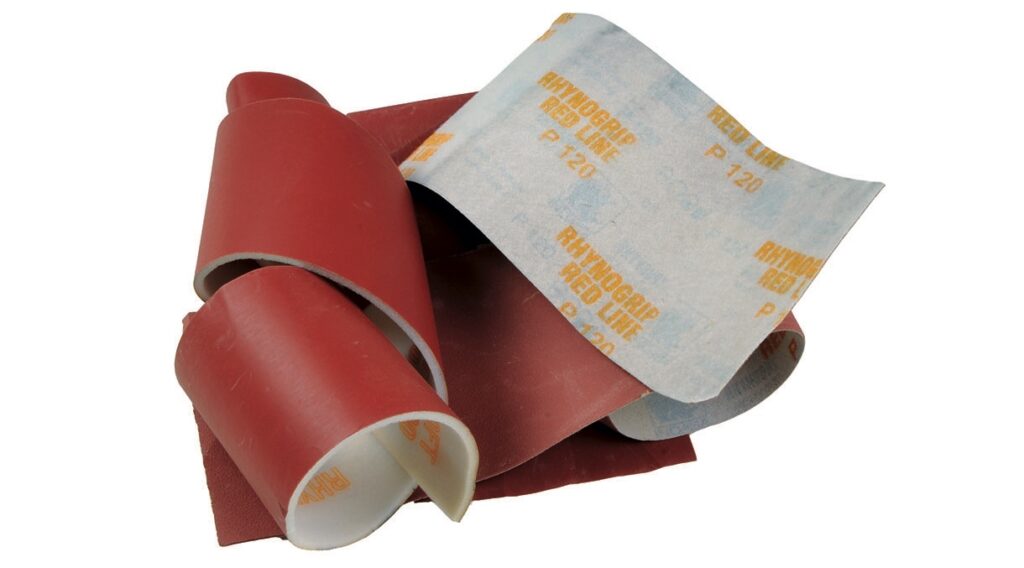
6. If you use finishes like French polish or lacquer, then a dry lubricating paper is best because it prevents particles of finish sticking and potentially scoring the surface that you are trying to get a high finish on. This and other finishing papers have a thin paper backing for flexibility.
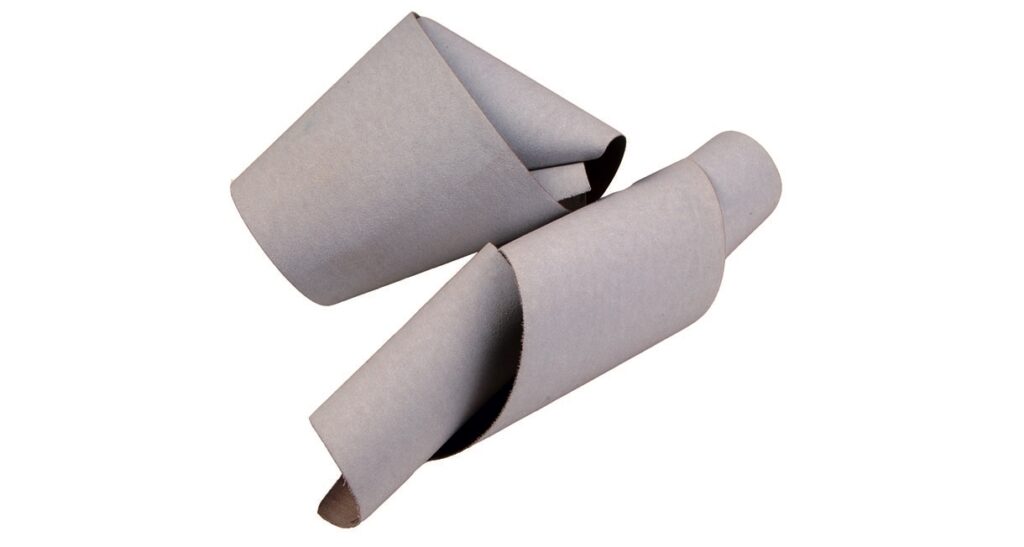
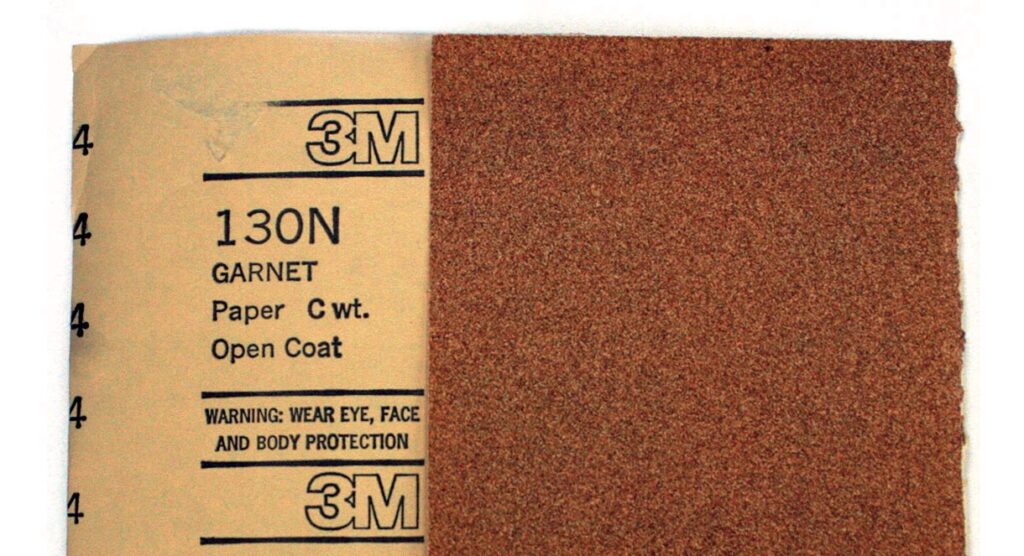
7. Some abrasives are more ‘friable’ than others, which refers to the way abrasive particles break down easily into smaller particles so they don’t ‘attack’ surfaces as much as say aluminium oxide. Examples are dry lubricating paper and less common garnet paper.
8. Orbital sanders leave fine orbit scratch marks where random orbital sanders with their dual sanding action cancel out most marks giving a quicker, better standard of finish.
9. The way you sand is critical if you are applying a wood stain because scratch marks will absorb more dye, which shows up easily. For instance, if you are sanding a frame make sure you don’t leave scratch marks across the adjoining grain.
10. If you are making a new project sand sub assemblies and components so you don’t have problems sanding around difficult shapes afterwards. When sanding existing work, a delta sanding head on a multi tool is really good for getting into awkward corners and edges.