
A continuing series looking at trees, timber and their uses. This time we look at Boxwood
This time we look at a rather unusual tree whose timber is only found in small but very useful logs – Box (buxus sempervirens)
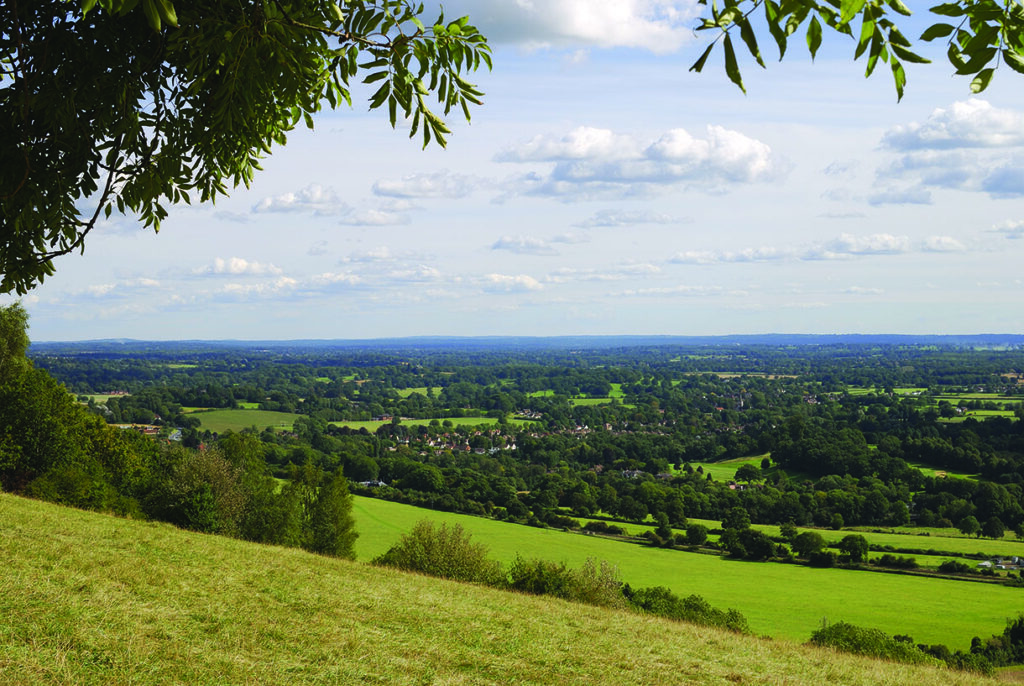
Box Hill in Surrey with its breathtaking views from the top of the North Downs and stunning diversity of wildlife, takes its name from the ancient box woodland found on the steep chalk west-facing slopes overlooking the River Mole. The area is owned and managed by the National Trust. More than three quarters of a million people visit this area of outstanding natural beauty every year but how many understand the significance of the tree and its timber?
Box or common box
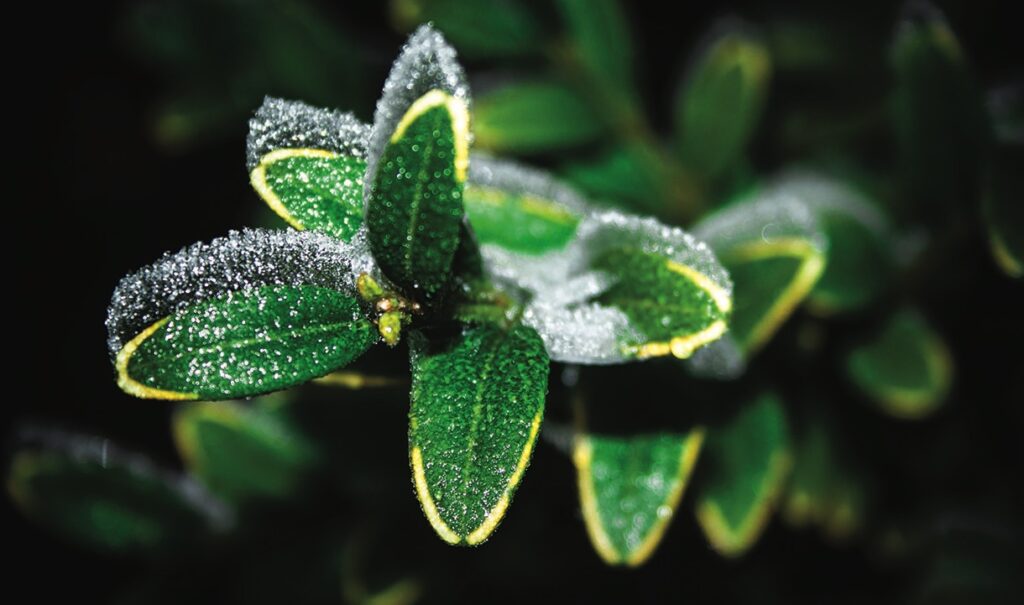
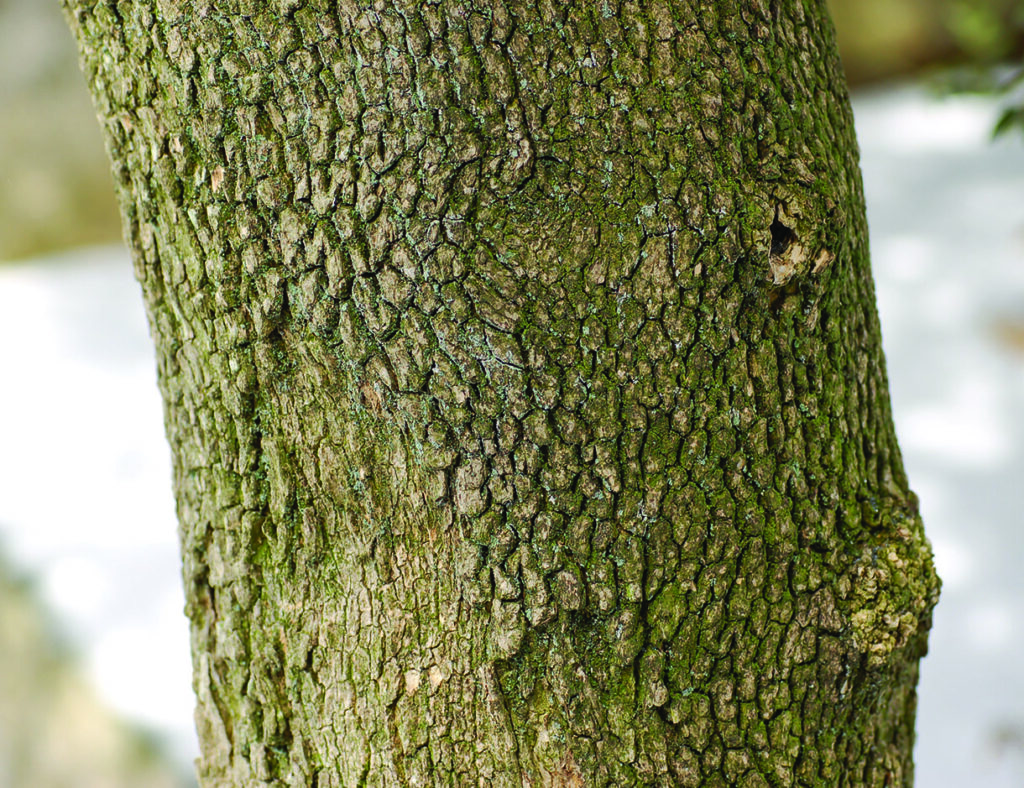
Box belongs to a vast family of trees found in Europe, Asia, Africa and the Americas but the one that we recognise and make use of in the UK is buxus sempervirens species. Useable timber usually comes in the form of quite small diameter logs derived from its branches but its dense hard form makes it suitable for a variety of small-scale uses. It is a creamy coloured wood with faint darker streaks sometimes interrupting the evenness of grain and colour. It is prized for its utility as a wood despite its size. Box is the tree and boxwood is the material generated from it. It is capable of growing up to 12 metres high but is compact in shape with smooth, grey bark. The shiny, dark green leathery leaves are 10 – 25mm long and oval shape on short stems. Male and female flowers occur on the same tree in April and May. Several male flowers and a terminal female flower occur in each green-yellow flower cluster. Wind pollination occurs for which Box Hill in particular is ideal. Female flowers develop into a dry, green capsule ripening into a woody brown seed case.
Symbolism
Box was regarded as a very sombre plant and in some places sprigs of box were given to mourners at funerals to throw onto coffins.
Typical uses
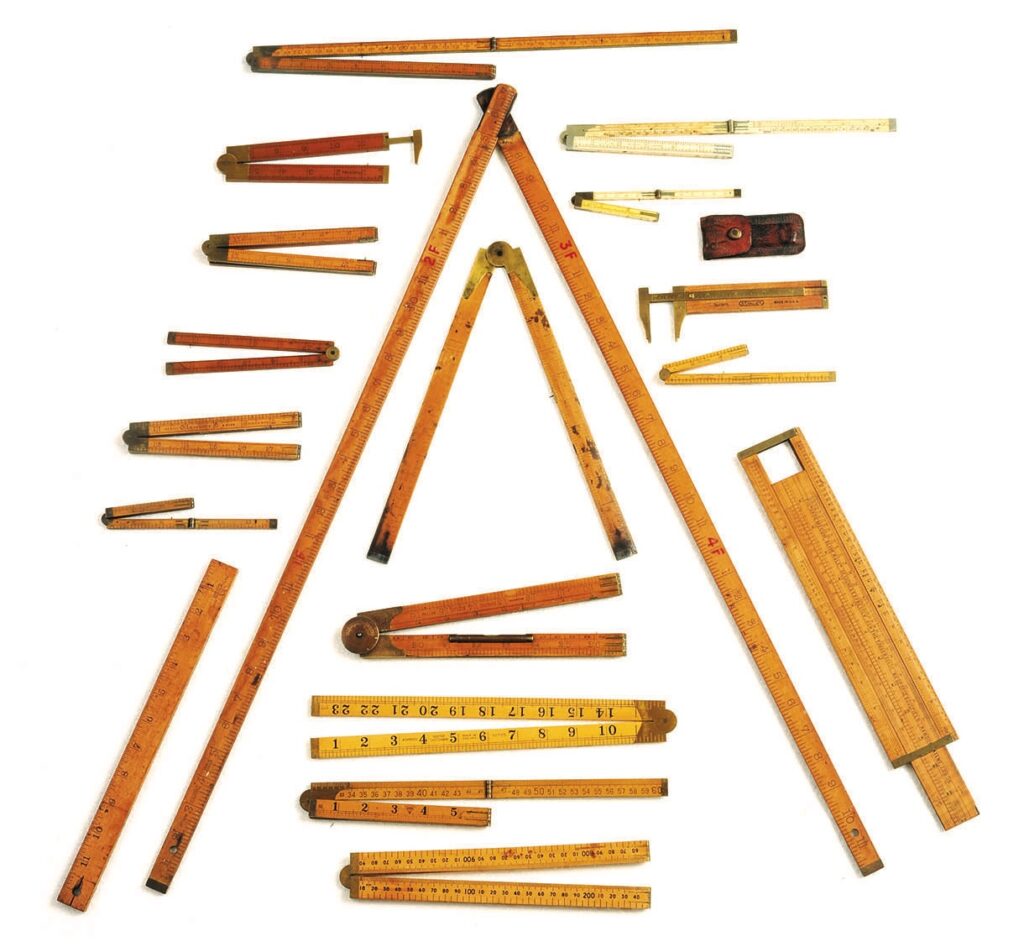
Box is favoured for wood engraving and in the past for making printer’s type, scale rulers, also violin pegs and woodwind instruments. It has frequently been used as stringing on the edges of antique furniture and for chess pieces, either natural for the white pieces or dyed black as a sort of false ebony.
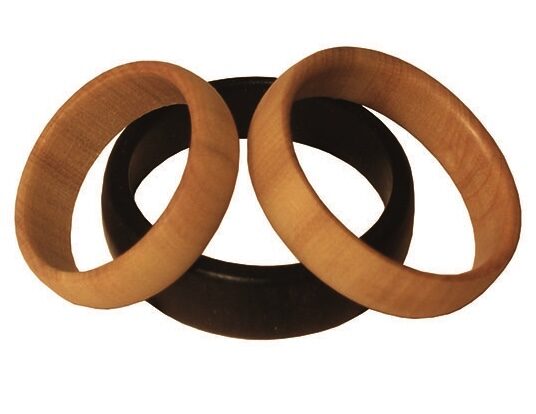
blackwood rings

Hazard
All parts of the tree are toxic and can cause skin irritation or even a stomach upset if ingested.
Wildlife
Box provides a dense sheltered habitat for small birds and mammals as well as insects including bees.
Timber conversion
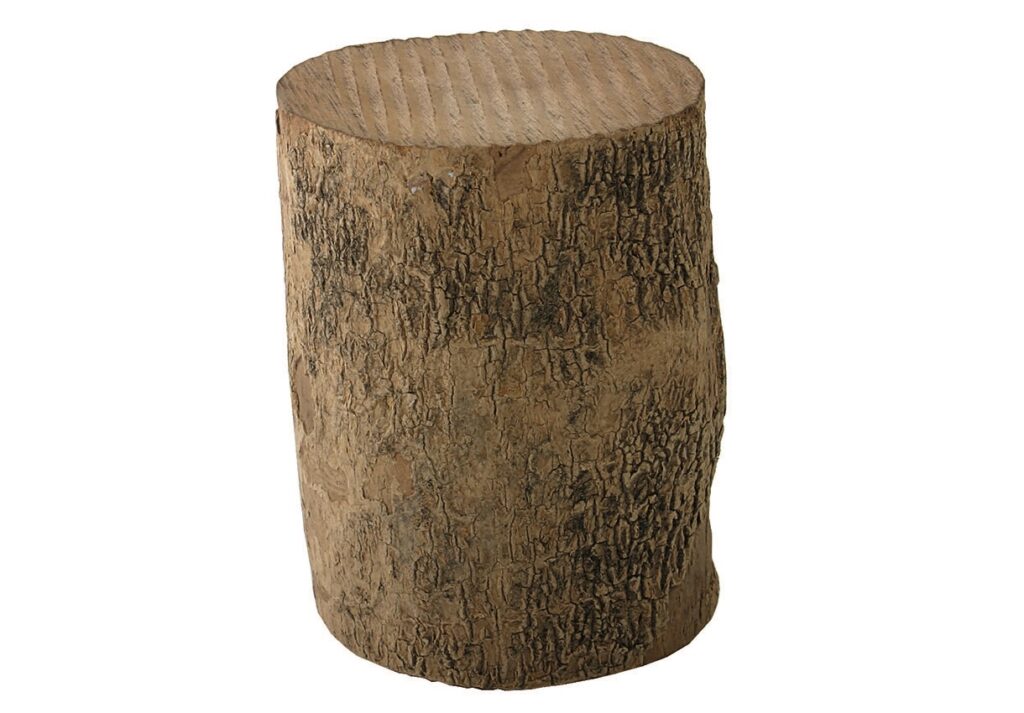
It is rare to find box felled; you need to buy it from a specialist timber supplier. Because the sections can be quite small, conversion needs to be carefully done to avoid waste. Fortunately it is straight grained with small tight knots so it is reliable however it is cut. It needs slow seasoning and the ends of logs to be coated while drying but it is very stable once dried.
Working characteristics
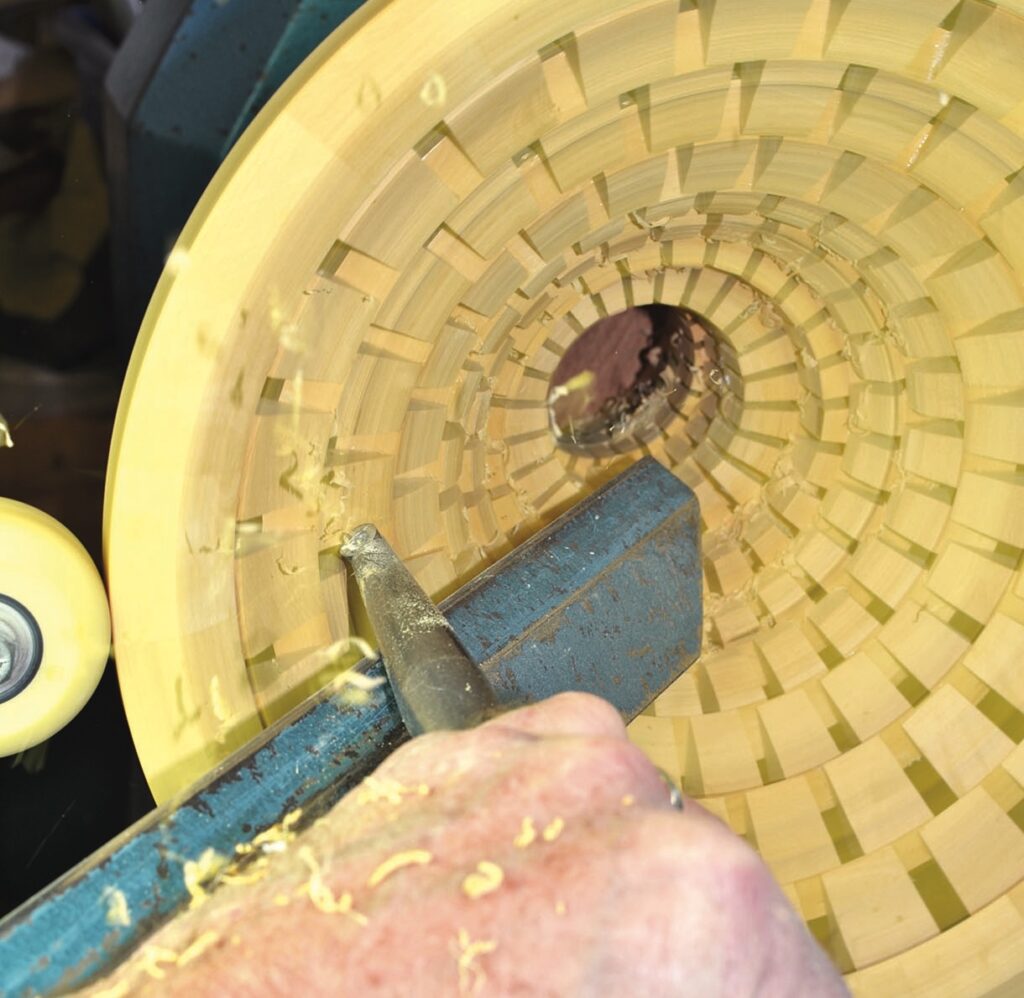
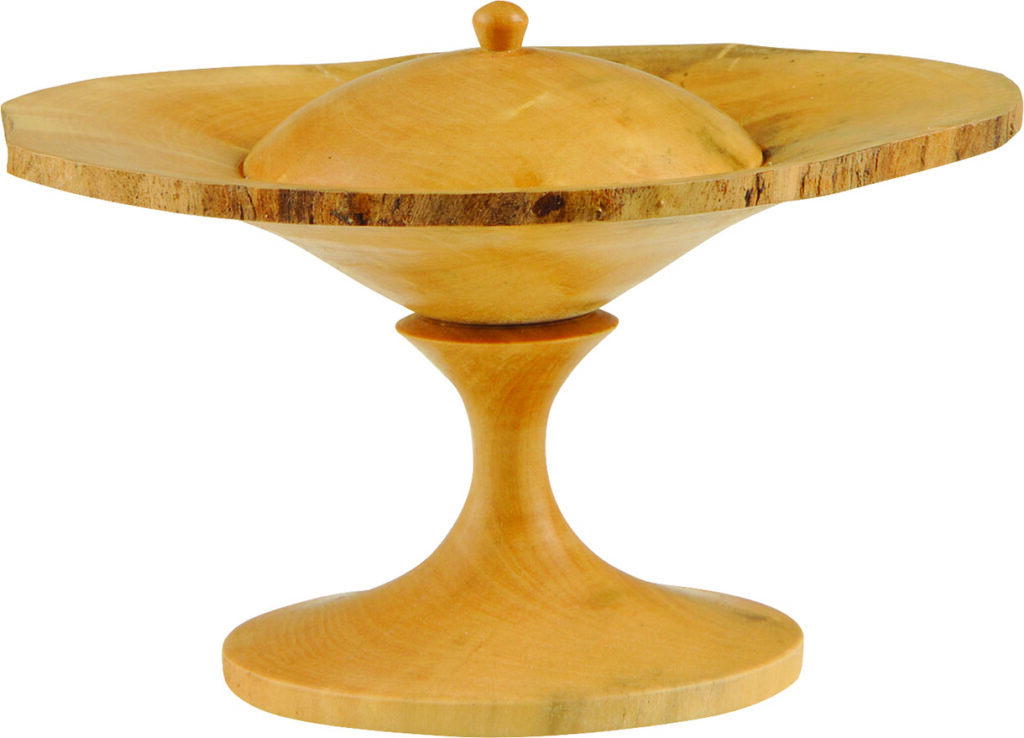
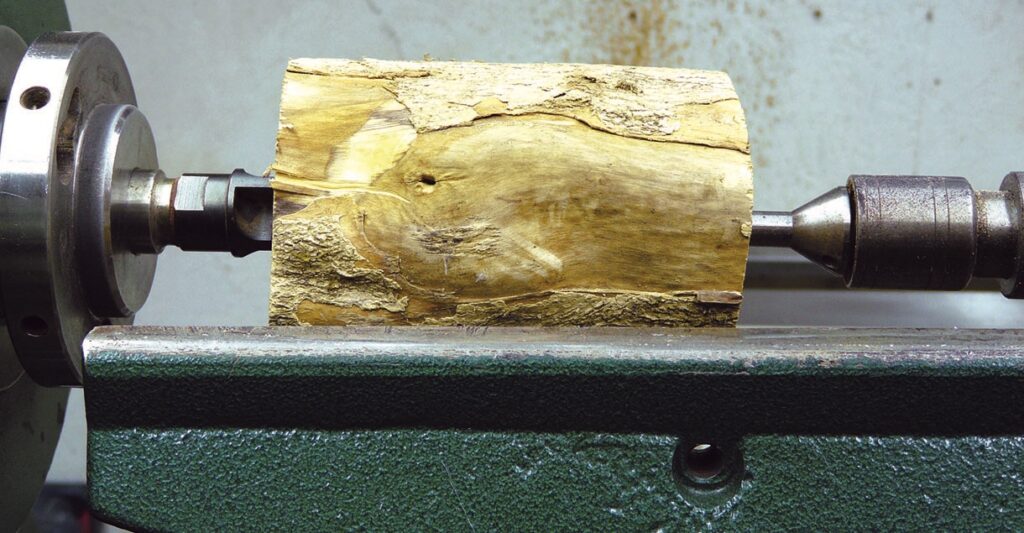
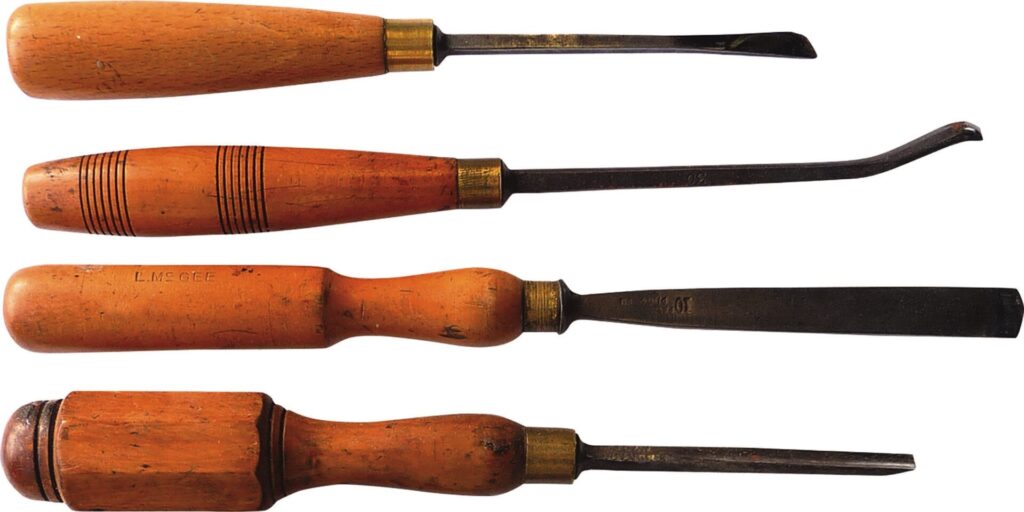
It is a dense timber with a moderate blunting effect on cutting and is not very easy to plane. It does turn quite well but pre-drilling for screws etc is essential. It also glues satisfactorily, it accepts stains and polishes well, when carved or turned.
Diseases
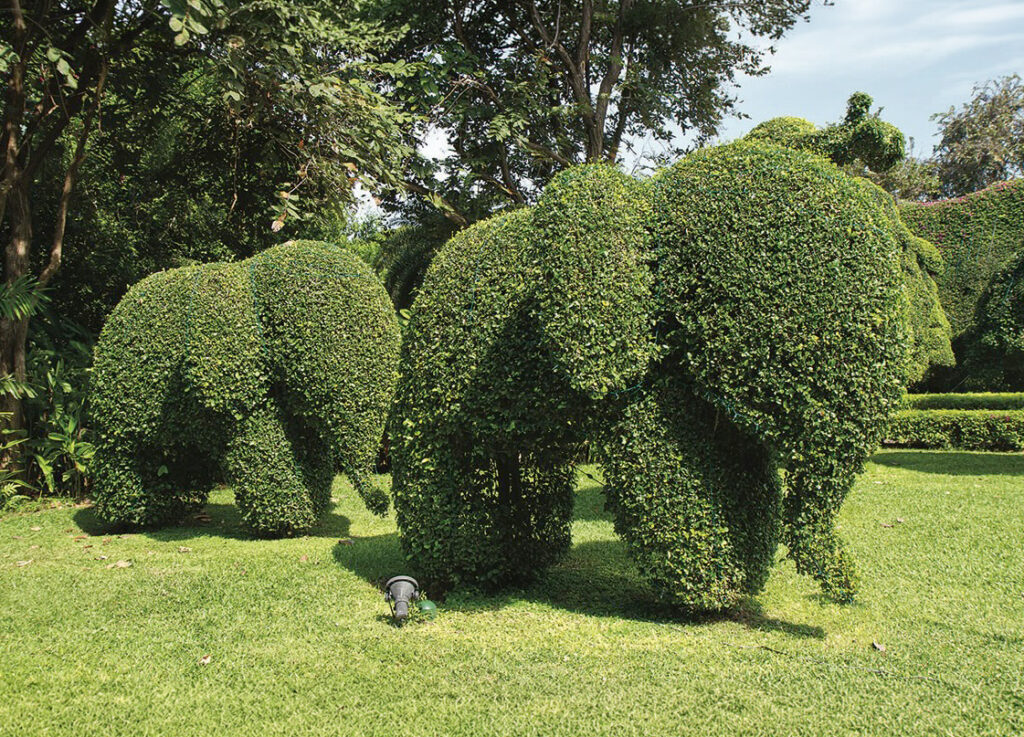
Box blight is a fungal disease which can cause dieback and bare patches, particularly on hedging and topiary. It should be noted that cultivated box is frequently not common box, but other related species. Finished items containing heartwood can be vulnerable to common furniture beetle.
Fascinating facts
* Box was considered to have an important role in keeping witches from entering the house or if used as border planting, preventing the stealing of plants.
* Did you know; Boxwood is the heaviest of our native timbers and will not float in water.
* In the past it has been used for the handles of dirks and daggers and bagpipes. General Thomas F Meagher decorated the hats of the Irish Brigade men with boxwood during the American Civil War as he couldn’t find any shamrock.
Make your own discoveries
Just an excuse to take in the views of a very beautiful part of the country and see if you can spot the living box trees: www.nationaltrust.org.uk/box-hill for more information and to plan your visit.