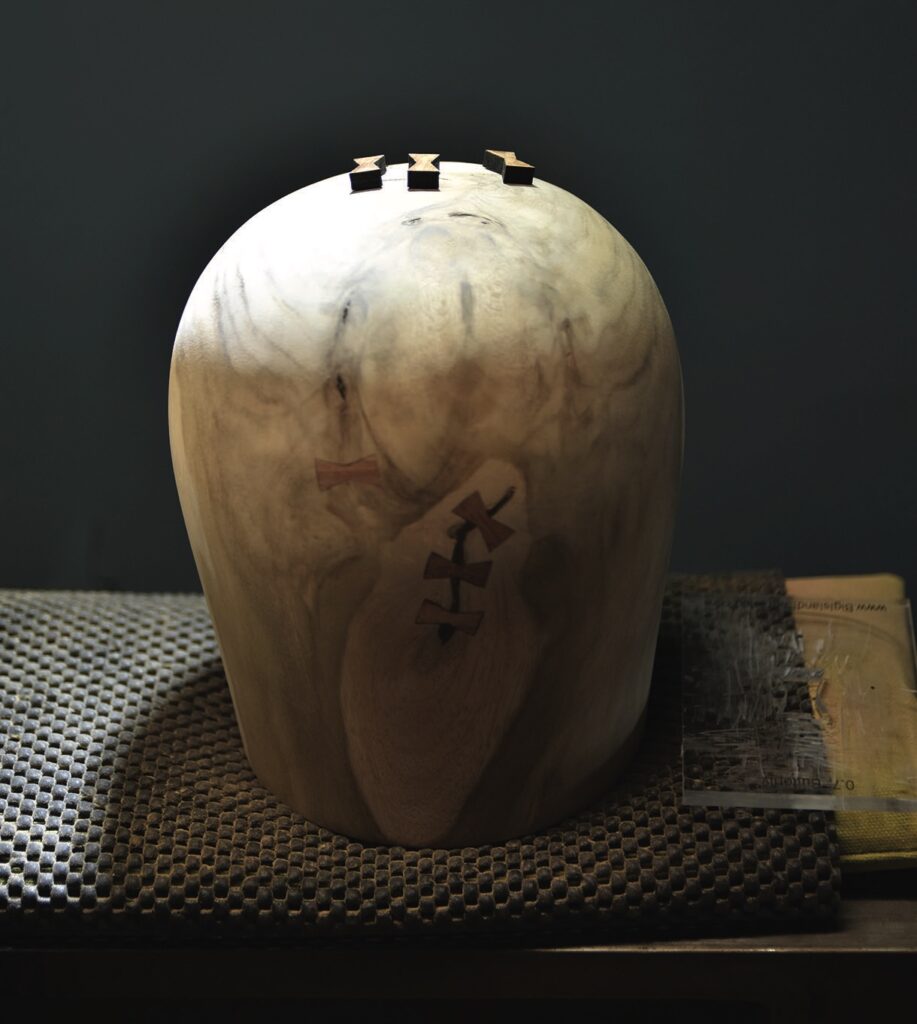
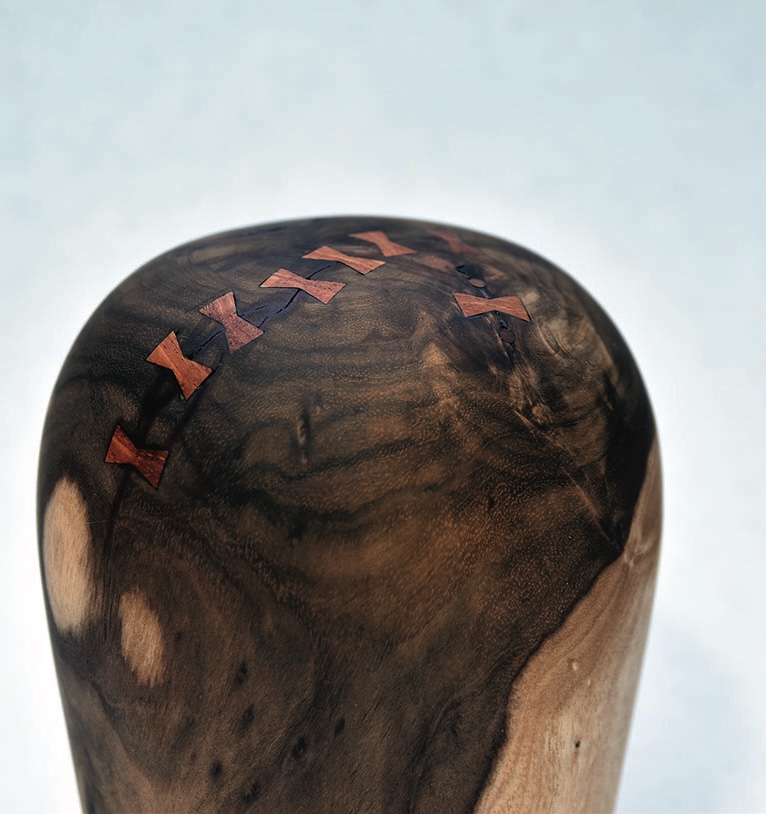
Emiliano Achaval shows how to make a classic Hawaiian end grain vessel
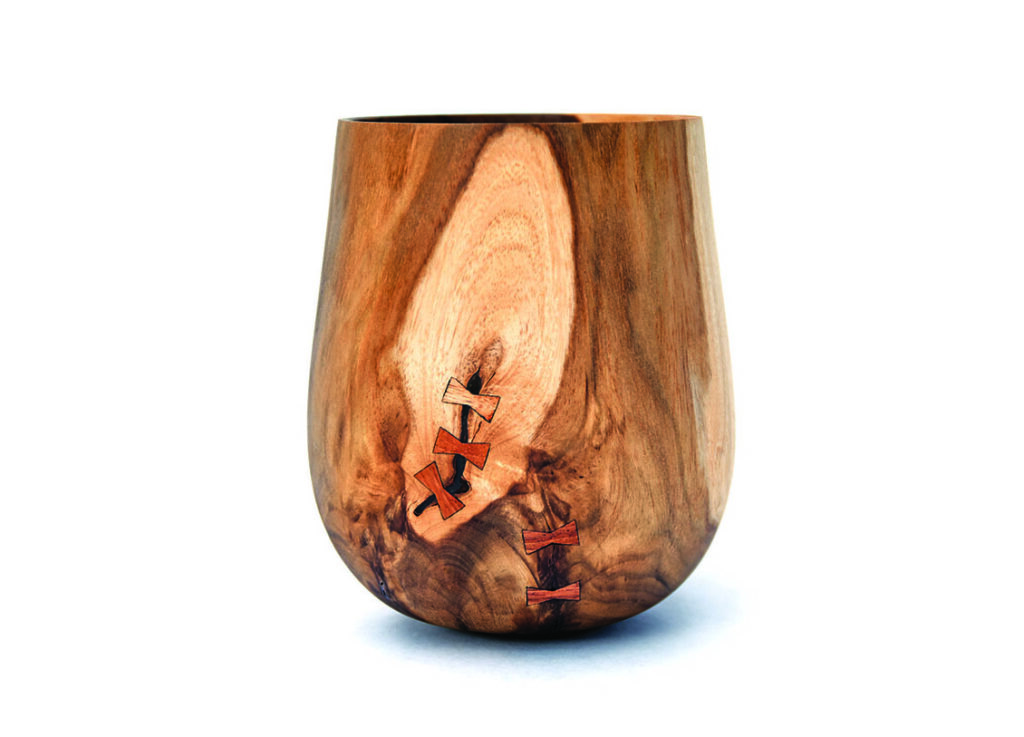
Most people have heard of the place I call home: Hawaii. It’s a privilege to be able to live on this paradise island of Maui, surrounded by history and traditions.
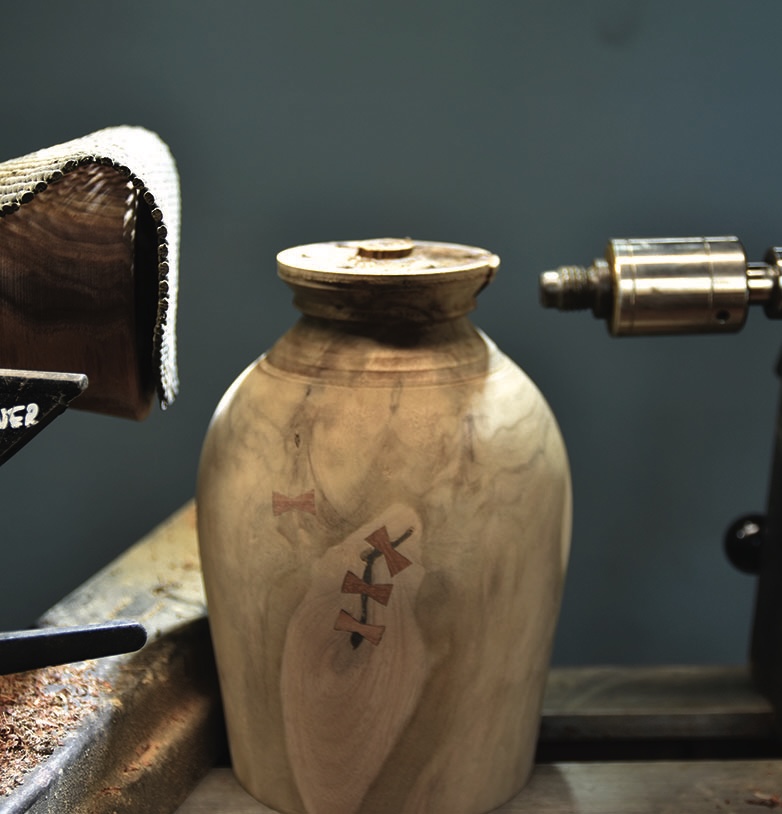
In the following article I will show you how I make a puahala calabash. For inspiration I’m using the ancient kou puahala that I was loaned for the article featured in Woodturning magazine issue 308, when I explored the different types of calabash.
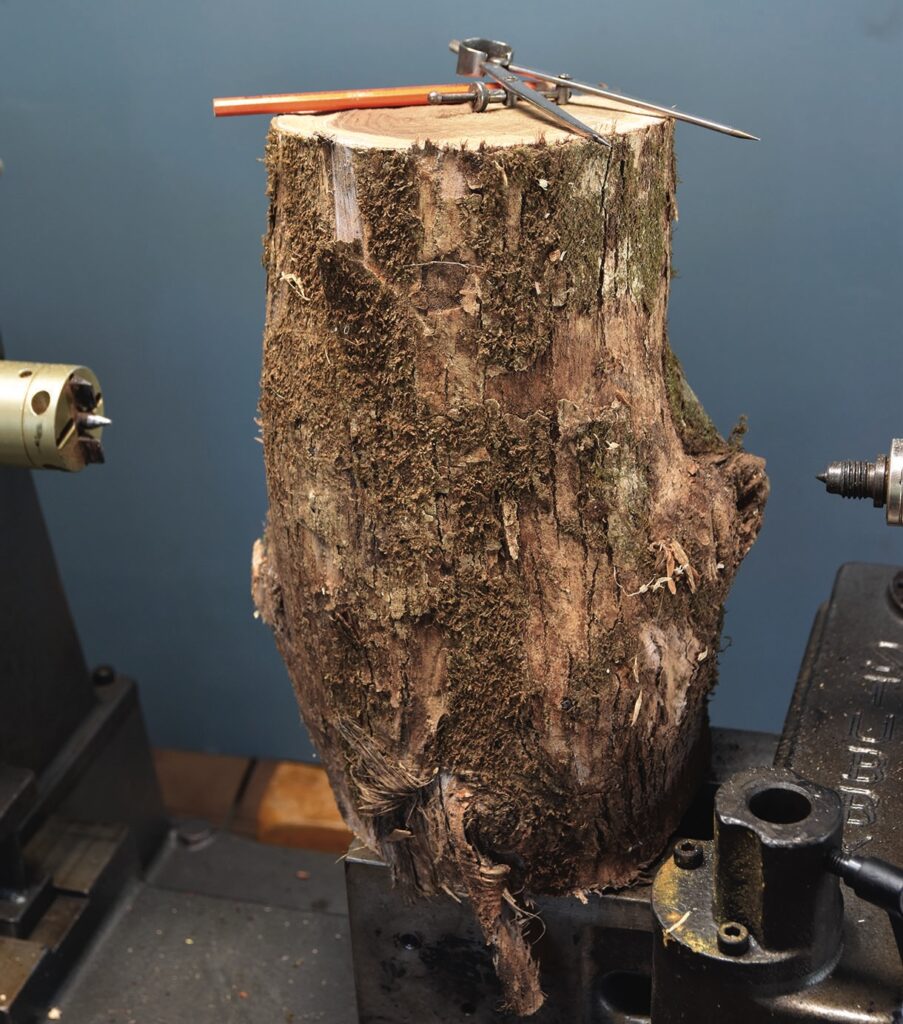
For this project I decided to use a piece of kou (Cordia subcordata), given to me by my good friend, woodturner John Mydock. Kou is a native tree to Hawaii and is a close-grained hardwood that has a rich, beautiful colour and was the preferred timber of the ancient Hawaiians.
That said, any close-grained hardwood will work for this project, which not only gives you the option of using a timber close to you, but also timber colour options. I will try to stay true to the form but, just as no two woodturners are alike, the ancient craftsmen each had their own style, so I’m not trying to make a perfect copy.
Tools and mterials
• RPE & PPE
• Close-grained hardwood of your choice
• Faceplate
• No10 sheet-metal screws
• 20 or 25mm spindle roughing gouge
• 10 or 13mm bowl gouge
• 10mm spindle gouge
• French-curve negative rake scraper
• Hollowing tool with small 6 or 8mm tip
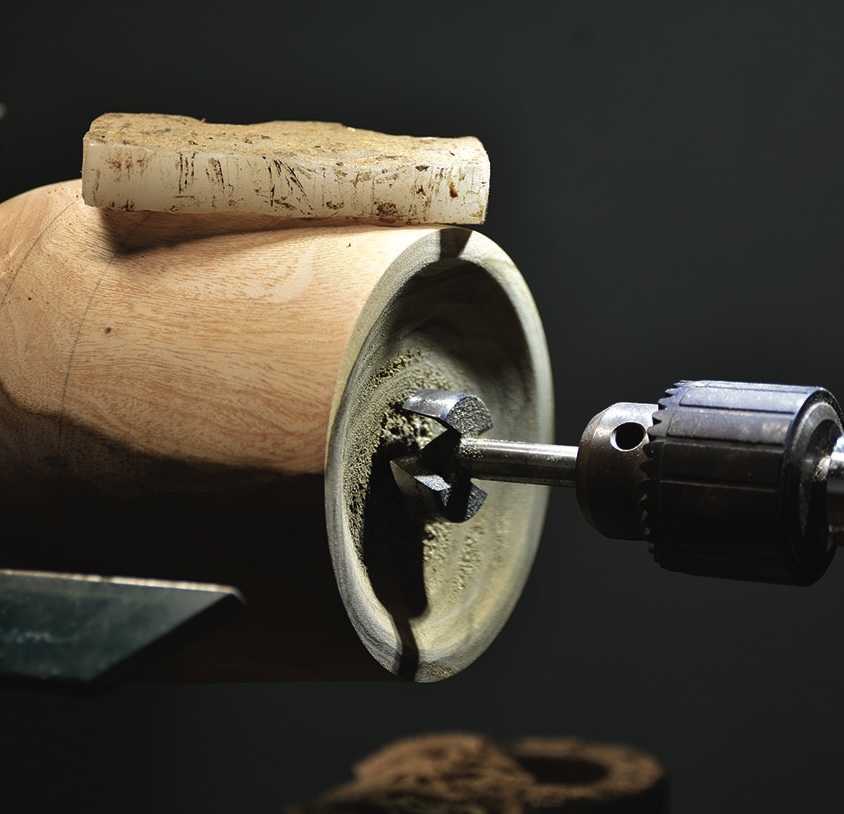
• 1¼in sawtooth bit
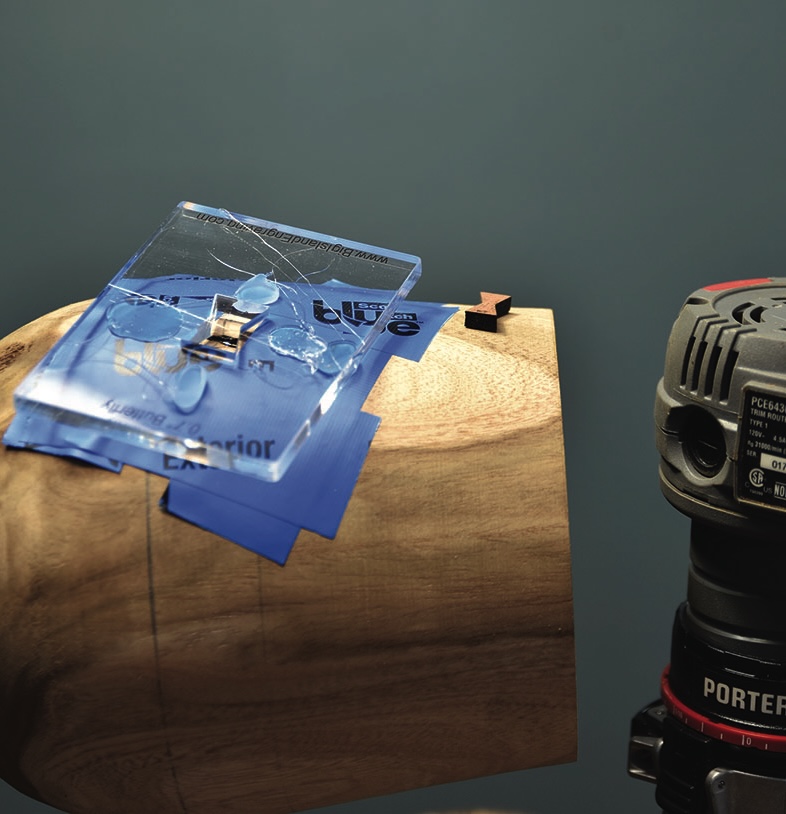
• Laminate trimmer/palm router
• Danish oil or similar finishing oil
• Pewa’ bowl repair templates
• 22mm pewas – wooden butterfly repair patches
• Adhesive
• Abrasives down to 400
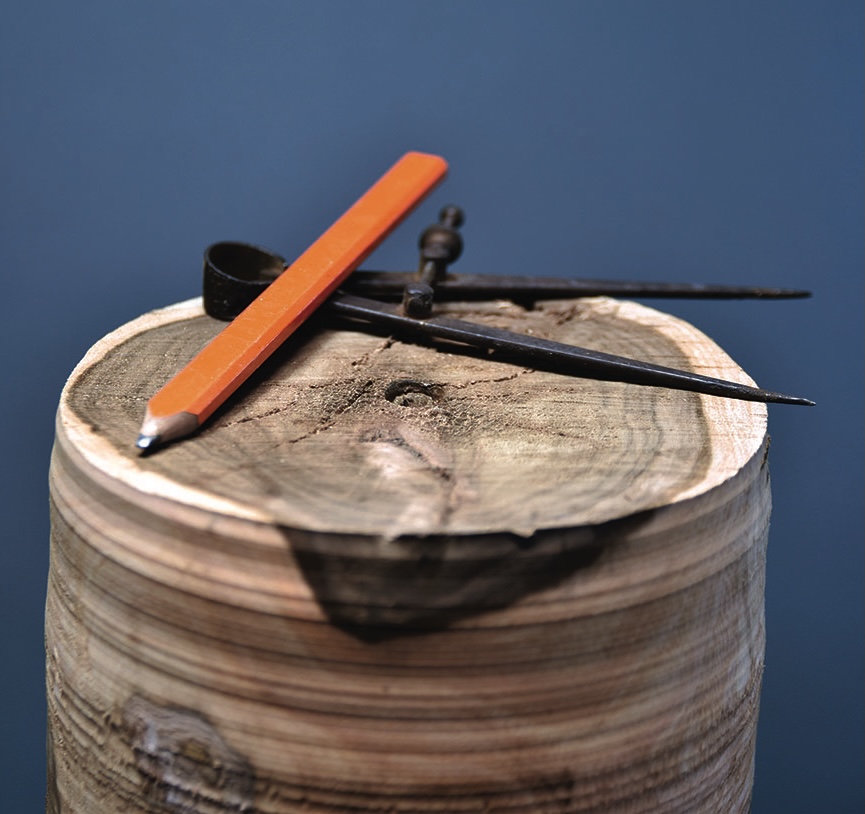
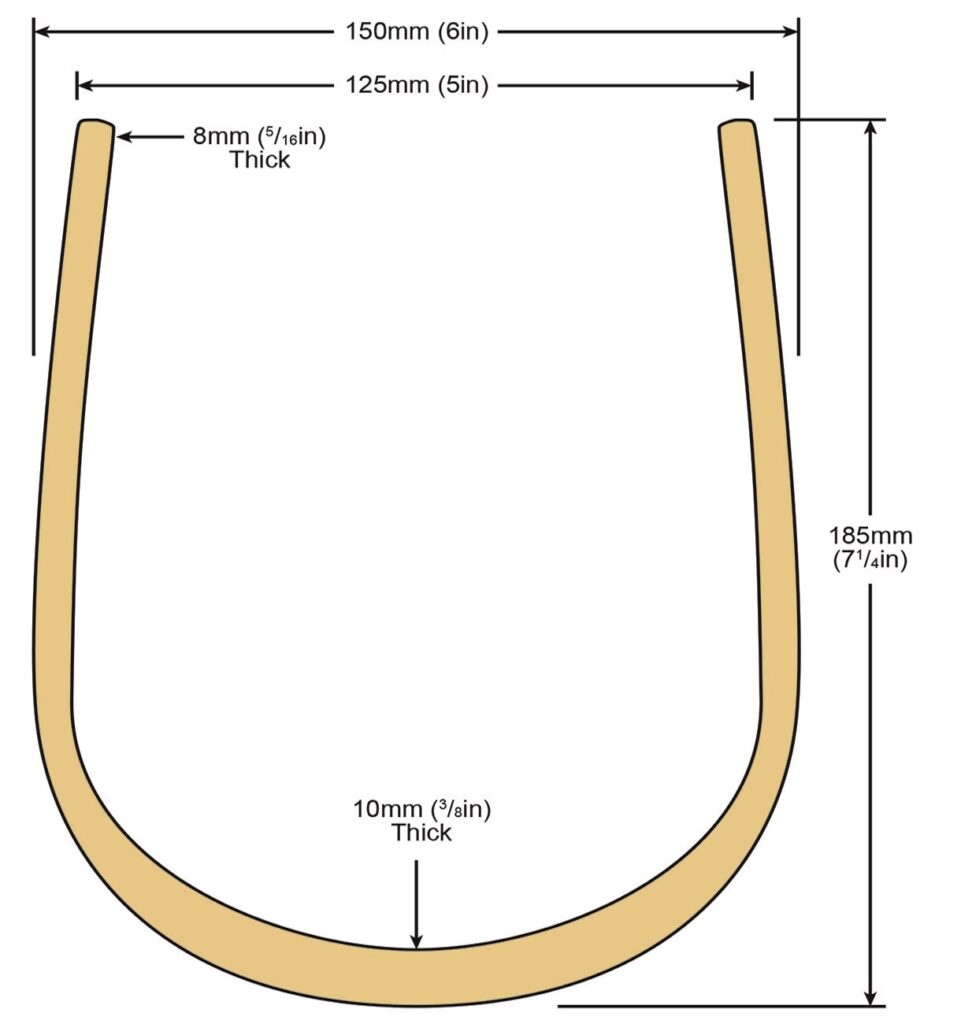
Drawing
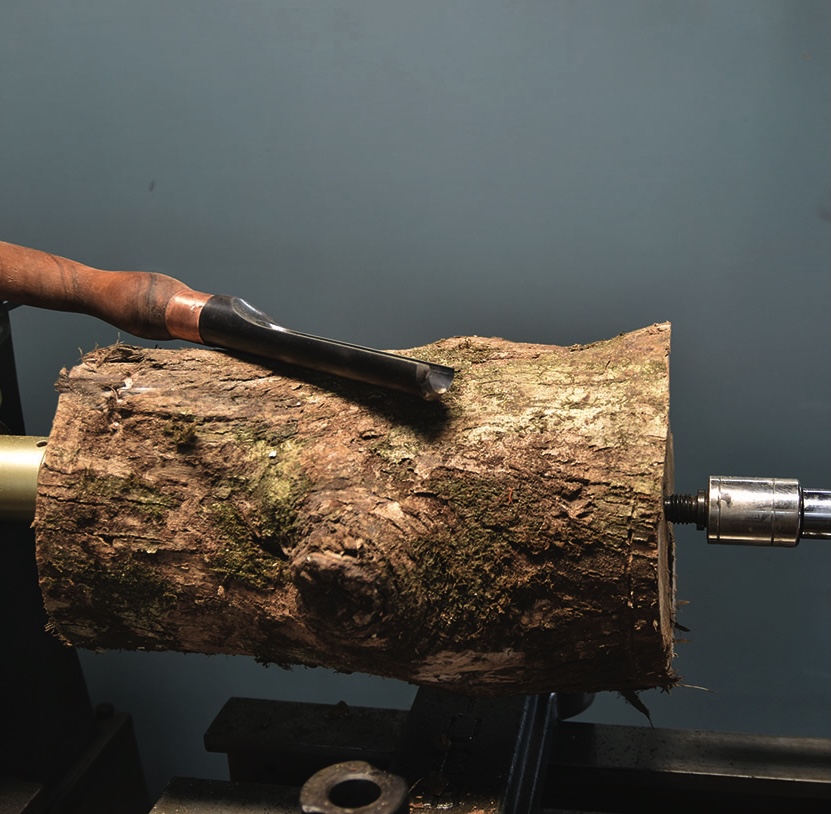
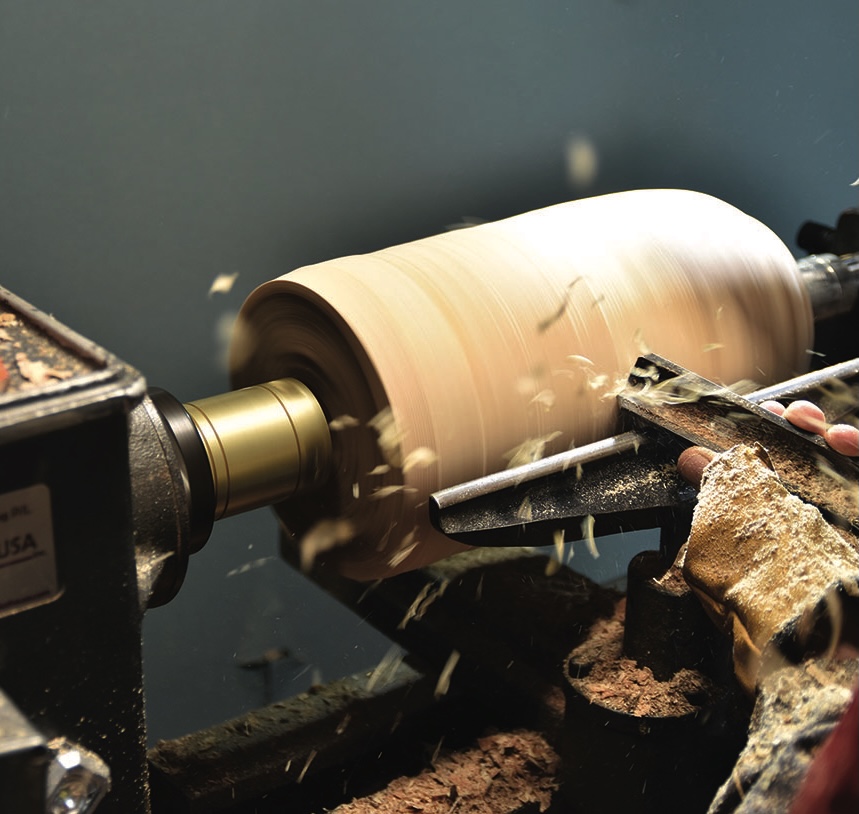
Turning the vessel