
Andrea Zanini shows how to make an ancient Italian drinking vessel
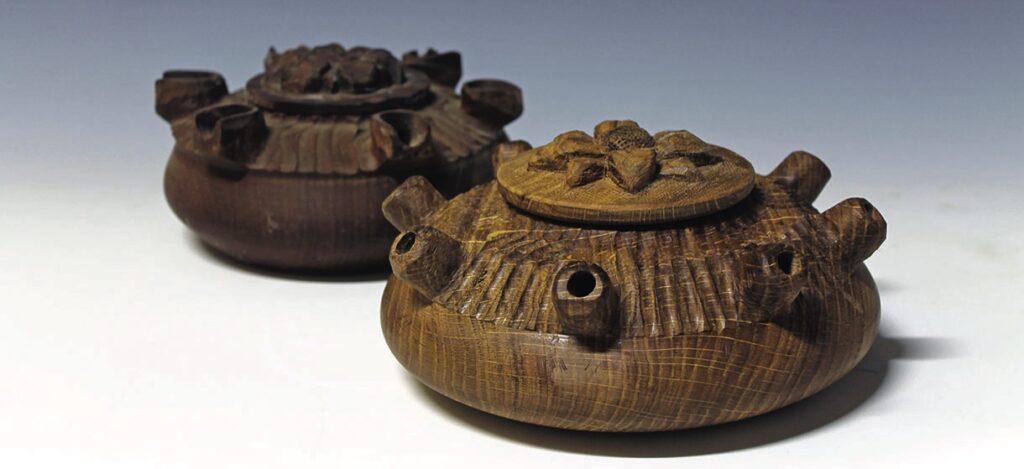
The latest in ancient Italian turning items I’ve been experimenting with is the friendship cup, which comes from the Aosta Valley – the same region as the grolla which was featured in Woodturning 303. In ancient times it was just a plain and simple lidded wood bowl – until richer and more adorned silver grollas started to appear. The silver grollas were initially reserved for high-society meetings, so common people needed a similar symbol to use during gatherings or simple family reunions. That’s why friendship cups started to appear. In order to avoid bad luck, the first person had to pick up the cup, take a drink from one spout then pass it on to the next person in line, who would drink from the next spout, and so on without putting it back on the table first. This way of drinking in turn is called ‘a la ronde’ (in circle). Even today in the Aosta Valley area the friendship cup is still widely used during big dinners. You can see crowds of people using it to drink scalding-hot wine or a very strong and flavoured coffee blend called caffè alla valdostana (Aosta coffee) comprising Italian espresso, grappa and sugar.
Friendship cups were traditionally made from a wide variety of woods: mahogany (Swietenia spp.), maple (Acer spp.) and walnut (Junglans spp.) were the traditional ones, but I chose to use a very nice piece of French oak (Quercus robur). This item does feature some carving so pick a timber that can be carved easily and if you want ultra-fine detail, use a close-grained timber rather than a more open one like the oak used in this project.
Caffè alla valdostana (Aosta coffee)
To make Aosta coffee you need to brew a strong coffee. Traditionally this is done in a moka, which is a two-chambered coffee pot that sits on a stove. While the coffee is brewing, heat a mixture of grappa and herb liquor, sugar, cinnamon, cloves, lemon and orange zest in a bain-marie. When the coffee is ready, pour everything in the cup, let it soak for a couple of minutes then, with a lighter, flame the sugar. As soon as the superficial layer is caramelised cover it with the lid to extinguish the flame. The coffee is ready to be served.
Tools and materials
• PPE & RPE
• Good extraction
• Bowl gouge
• Parting tool
• Jacobs chuck with 12mm drill bit
• Hollowing tool
• Calliper
• 10mm woodworking chisel
• Carving chisels (optional)
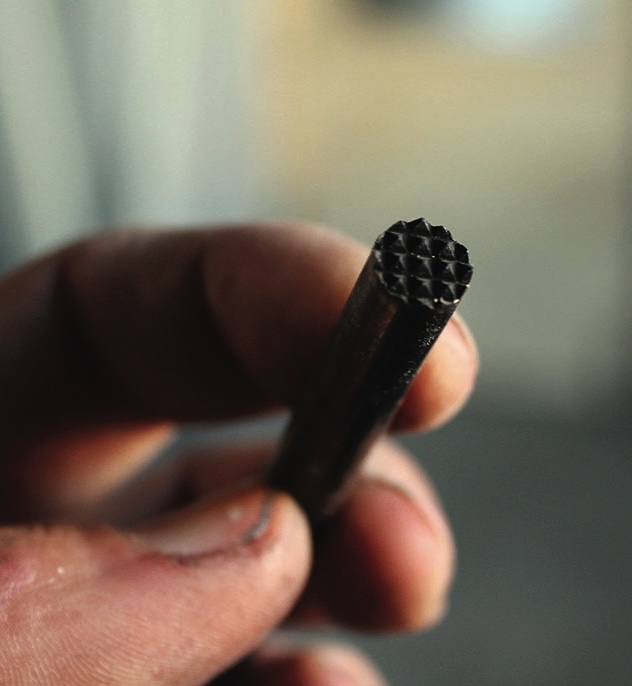
• Puncheon
• Rasp and file
• A drill with a 10mm bit
• Abrasives down to 240 grit
• Food-safe finishing oil
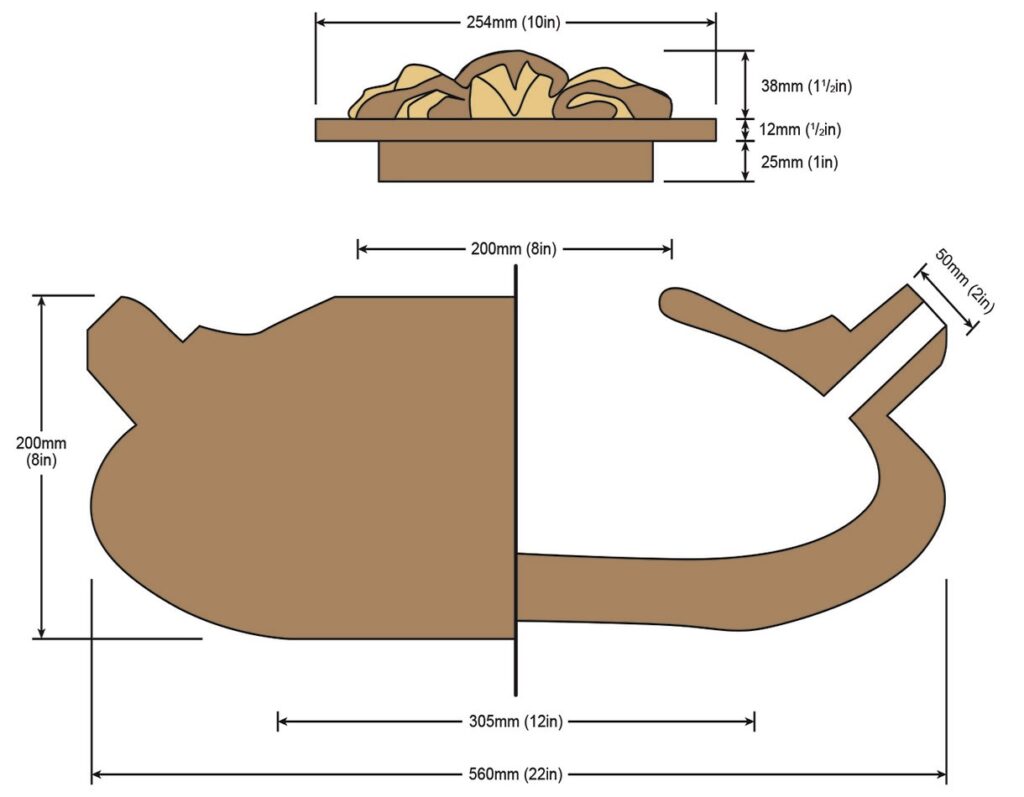
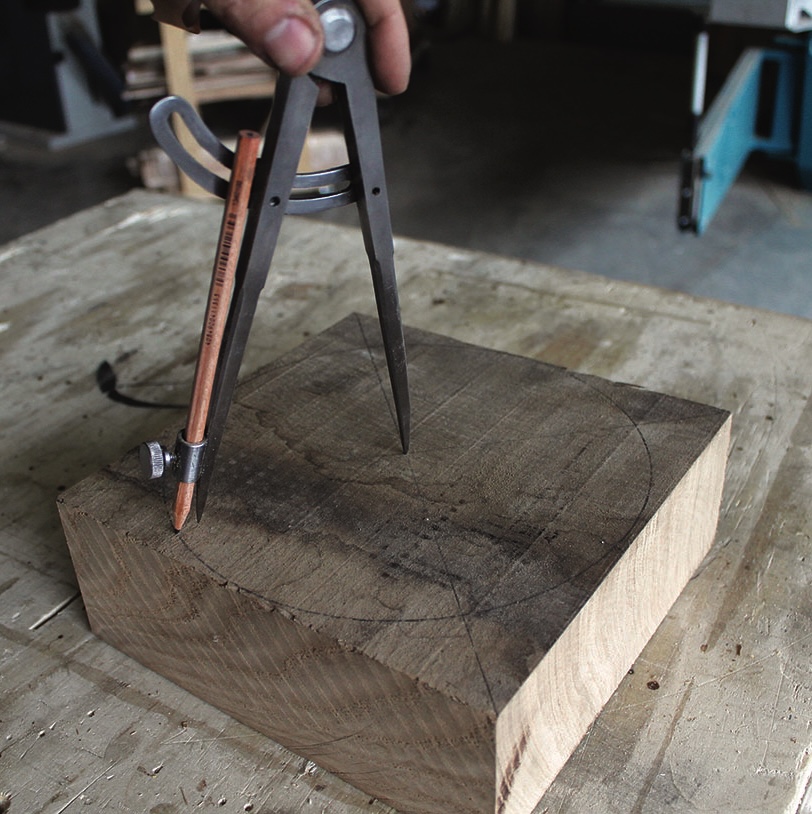
Drawing
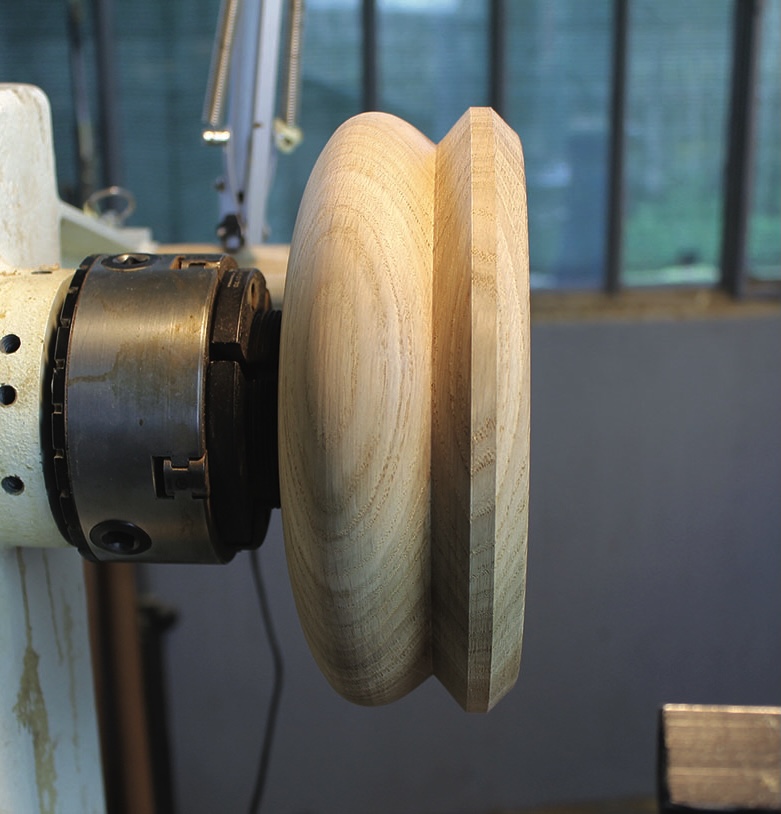
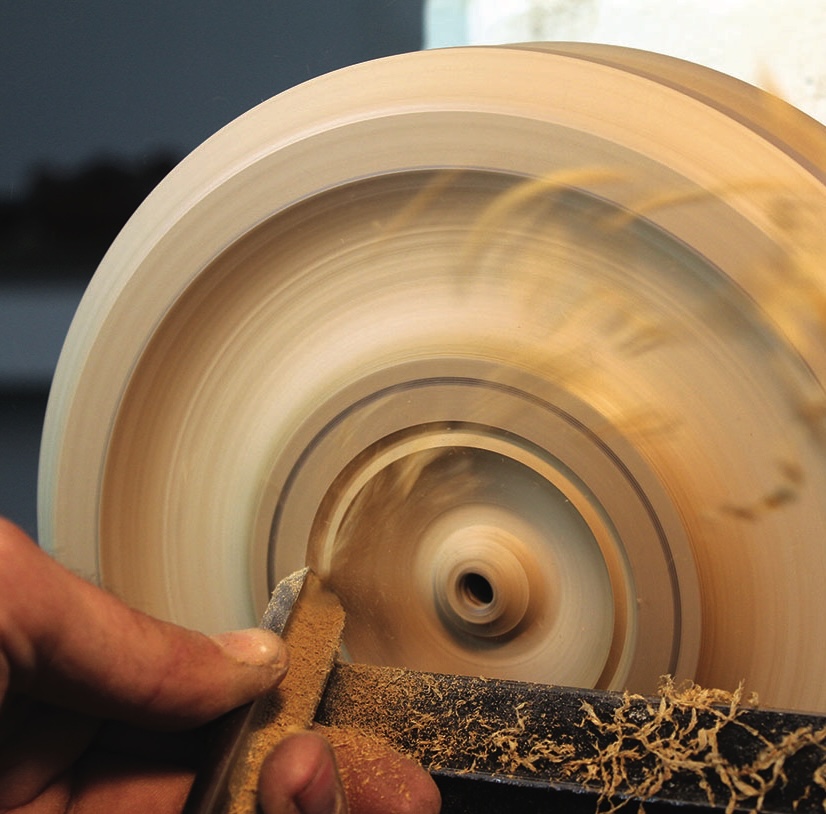
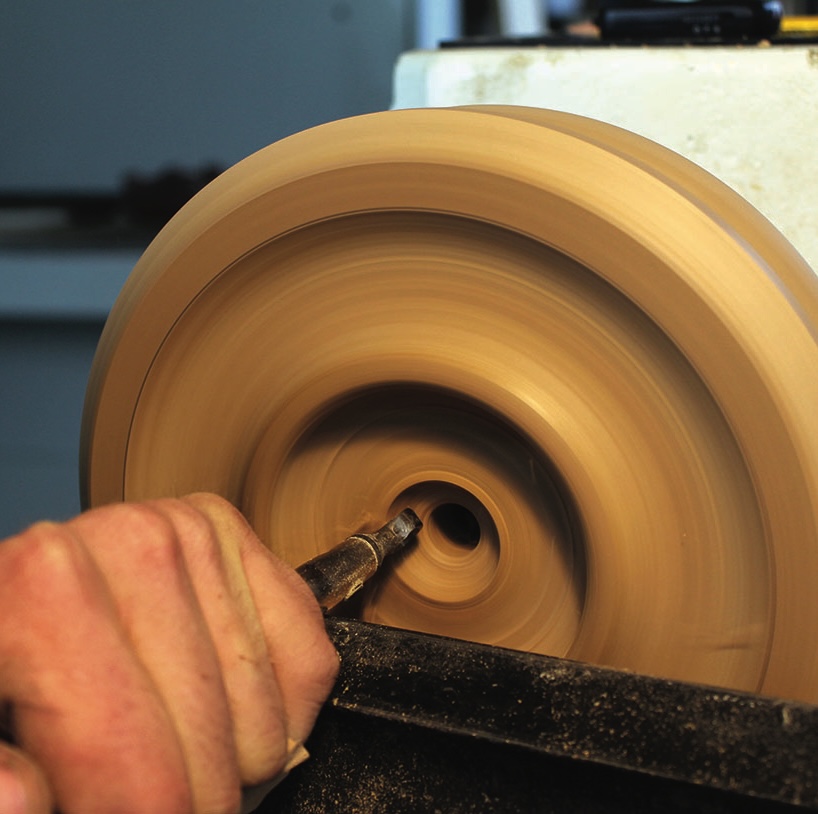
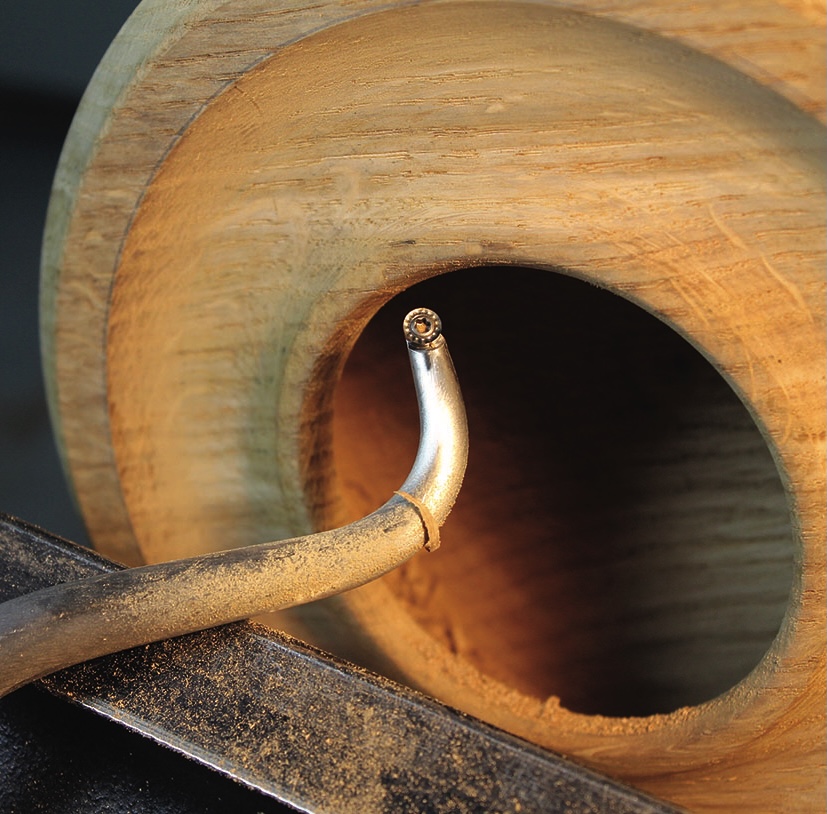
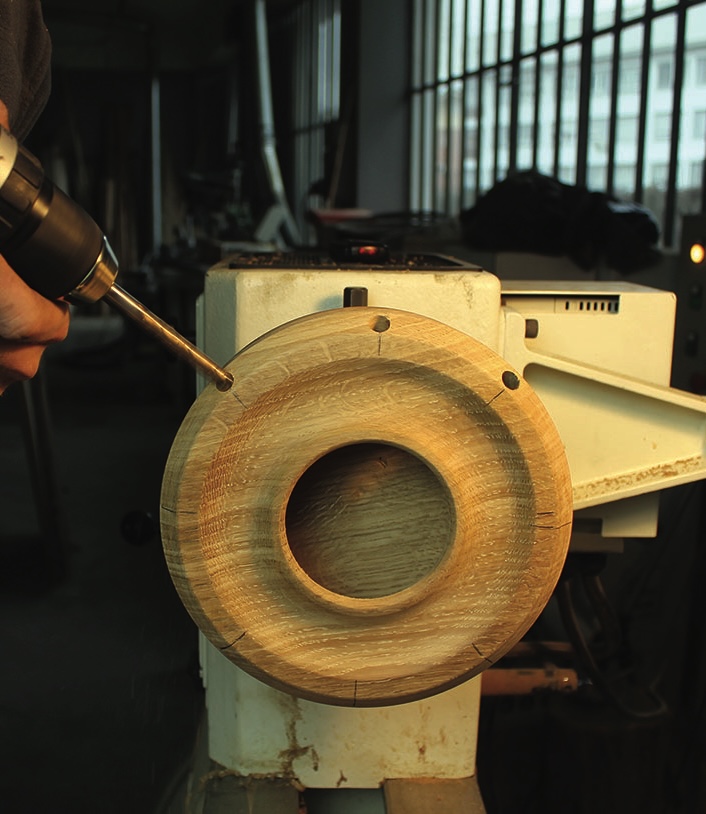
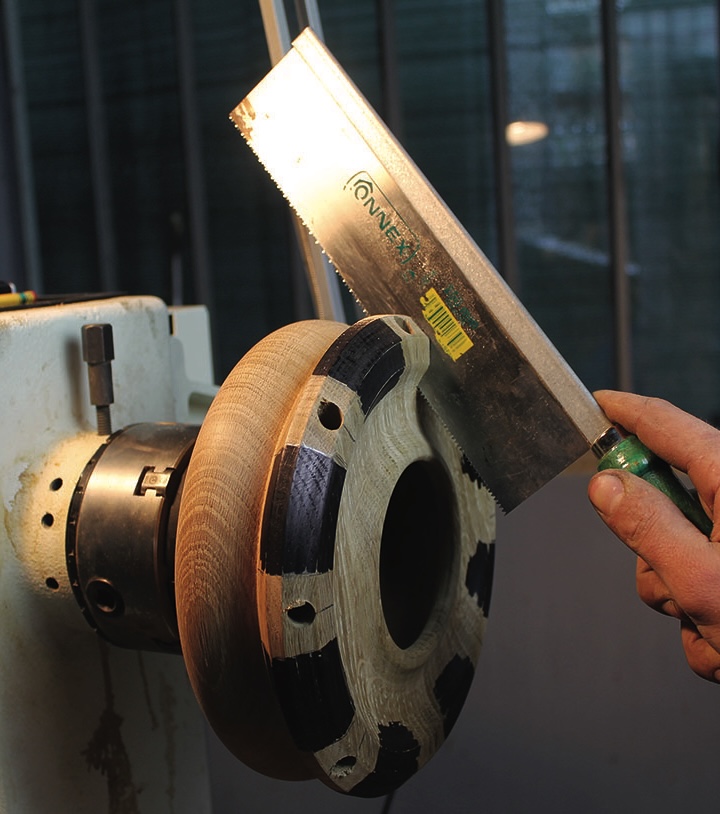
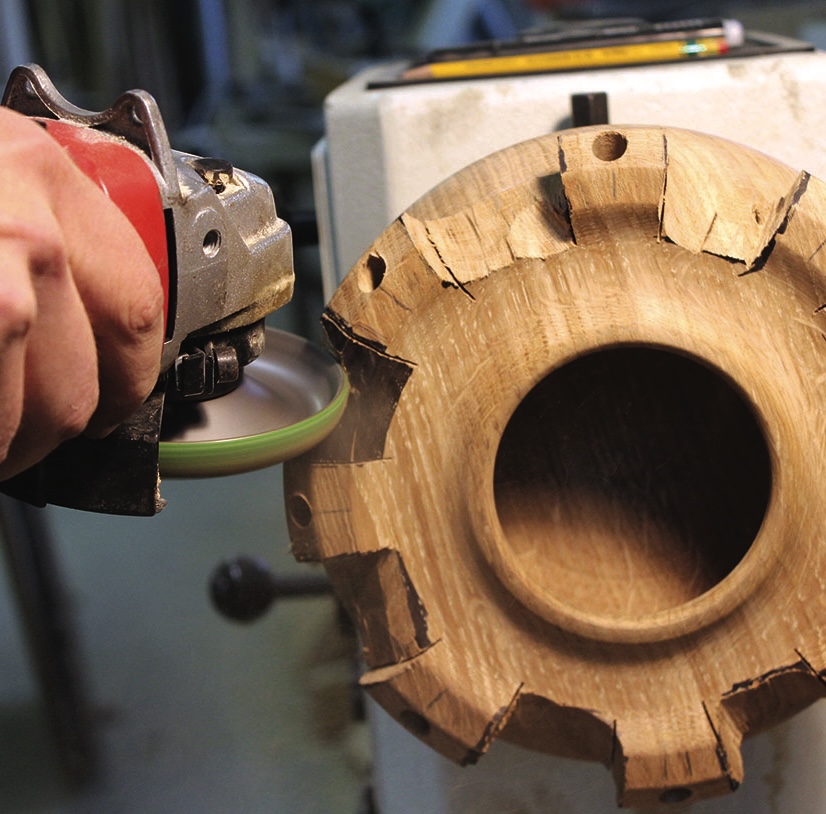
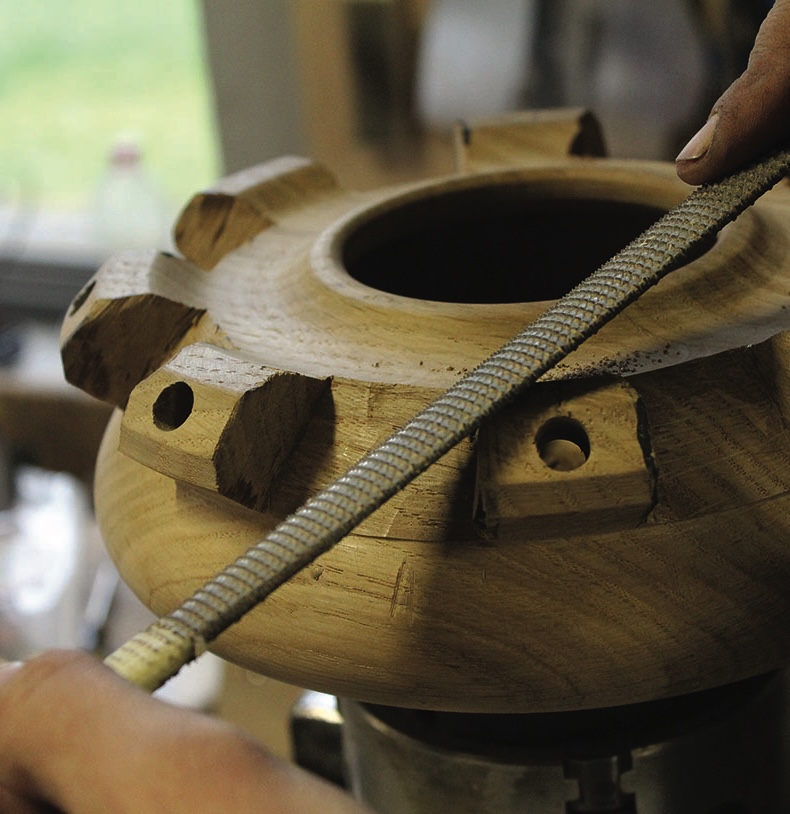
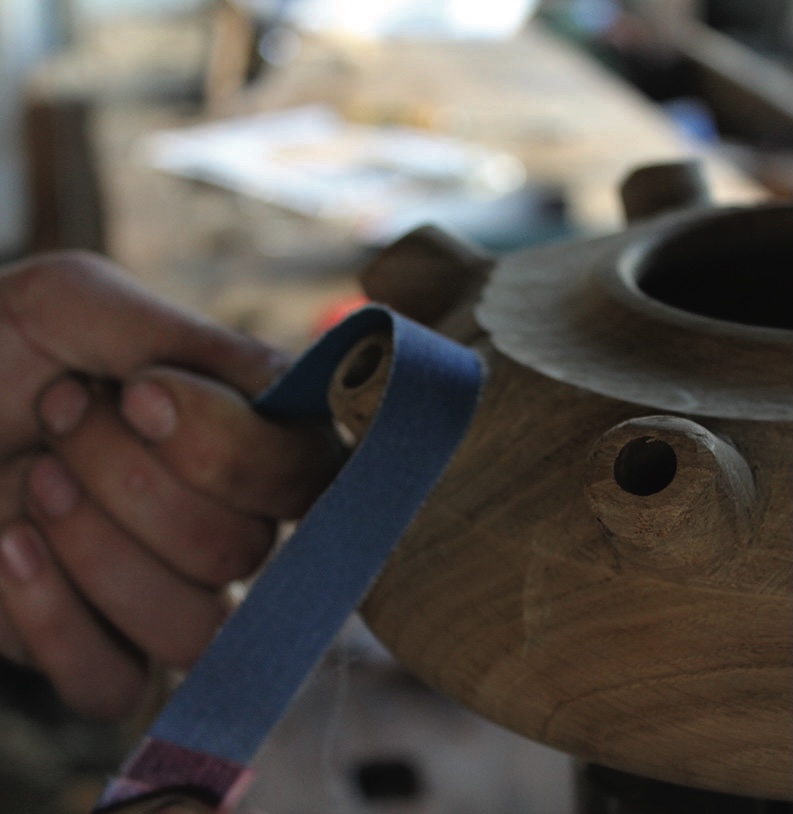
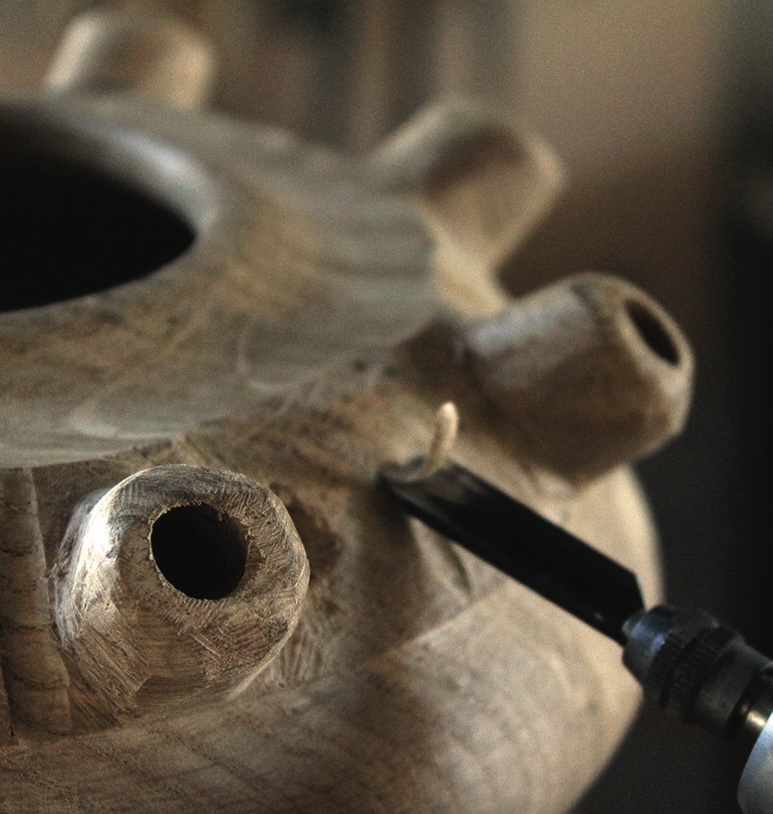
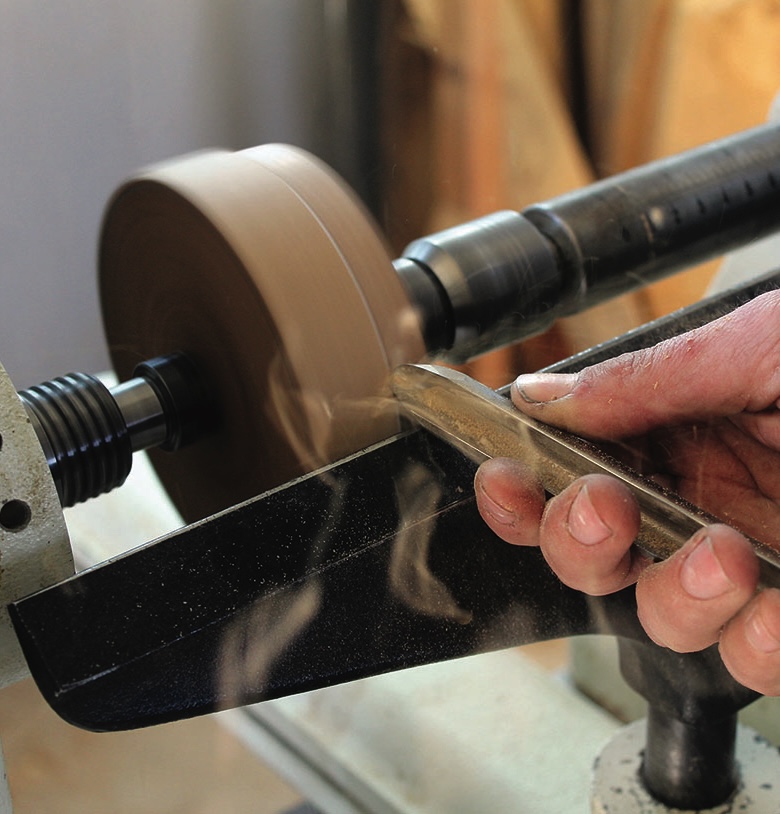
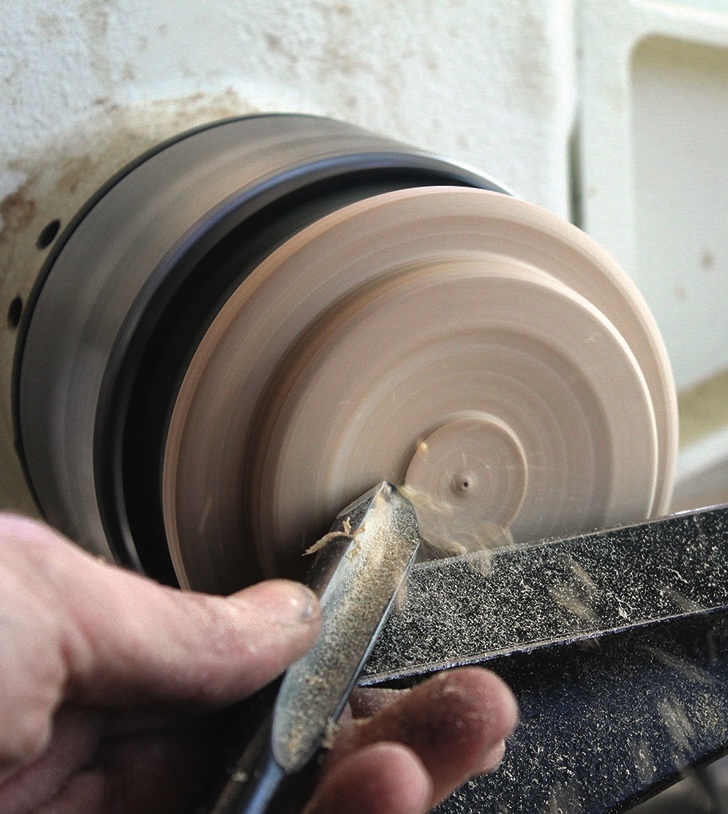
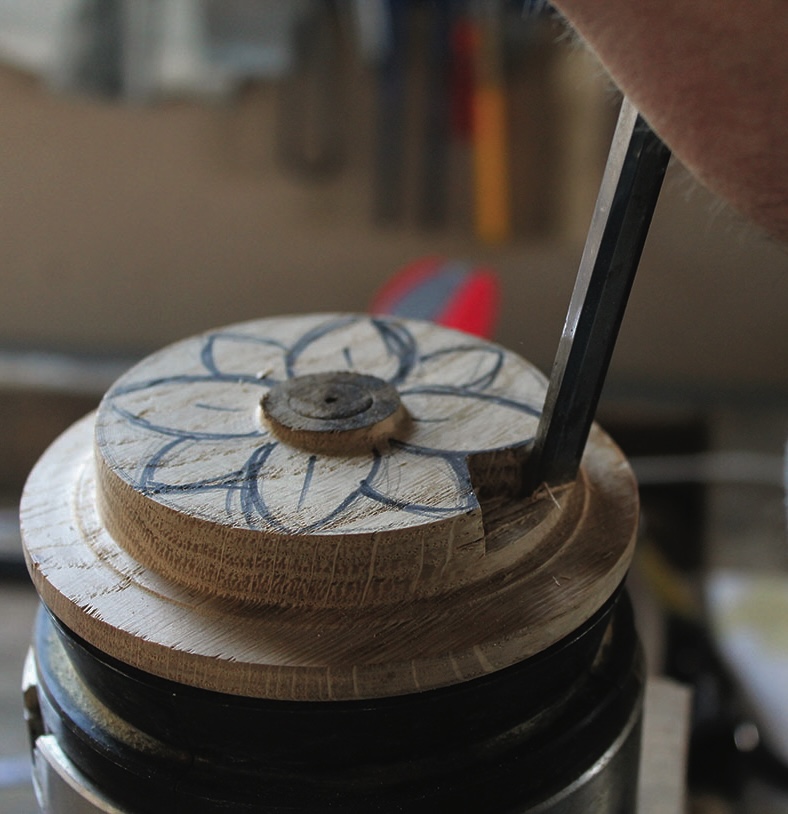
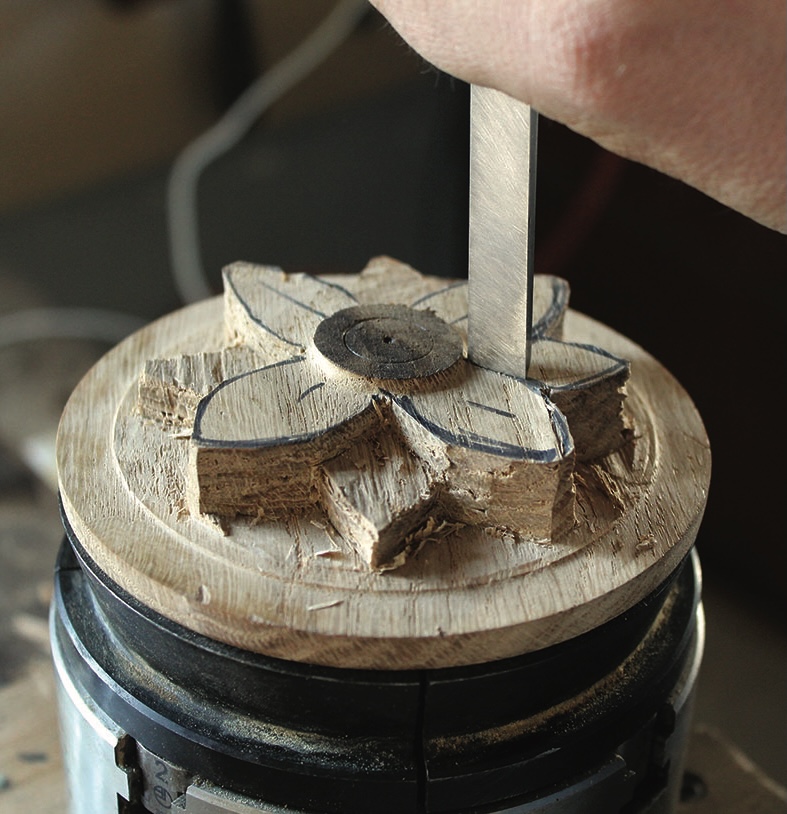
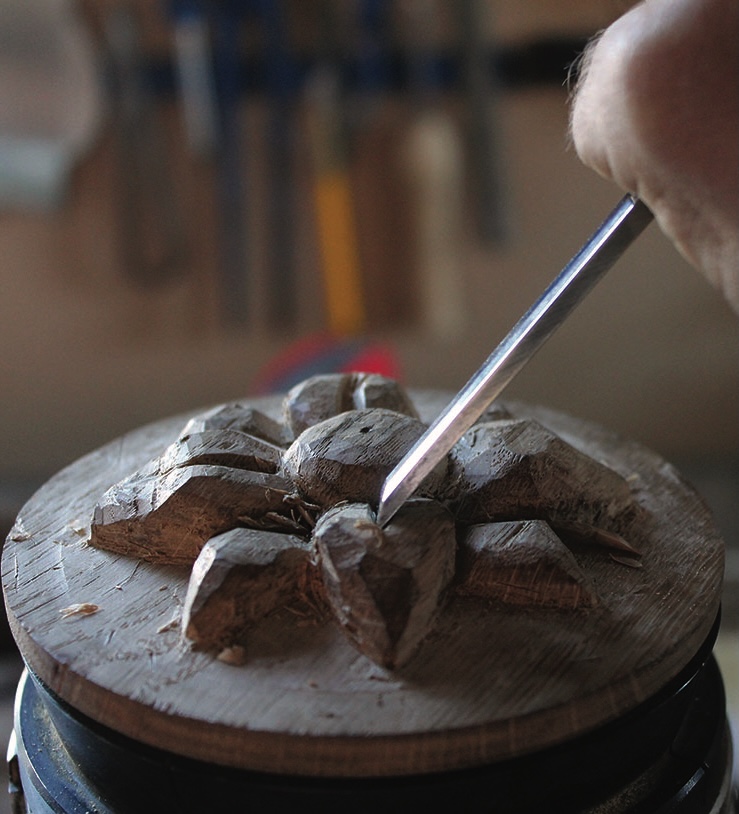
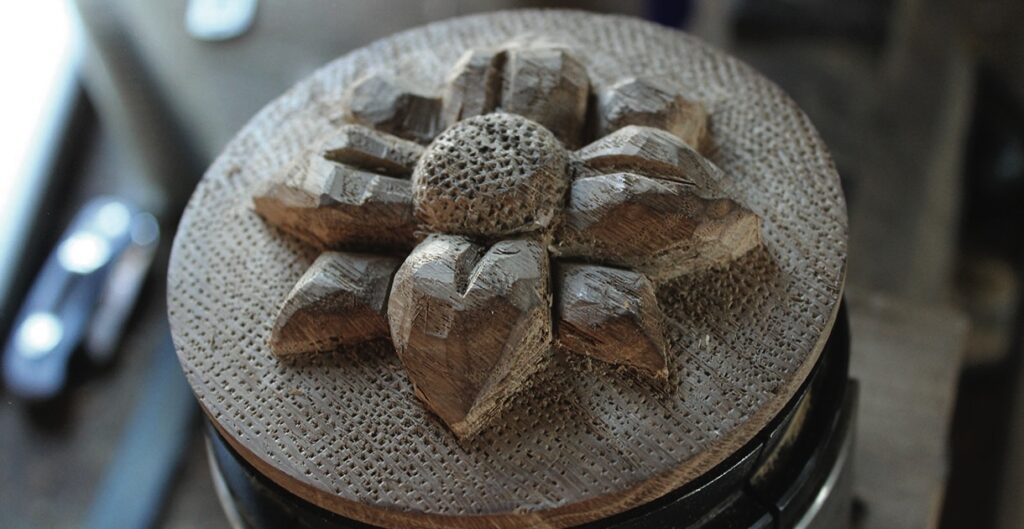
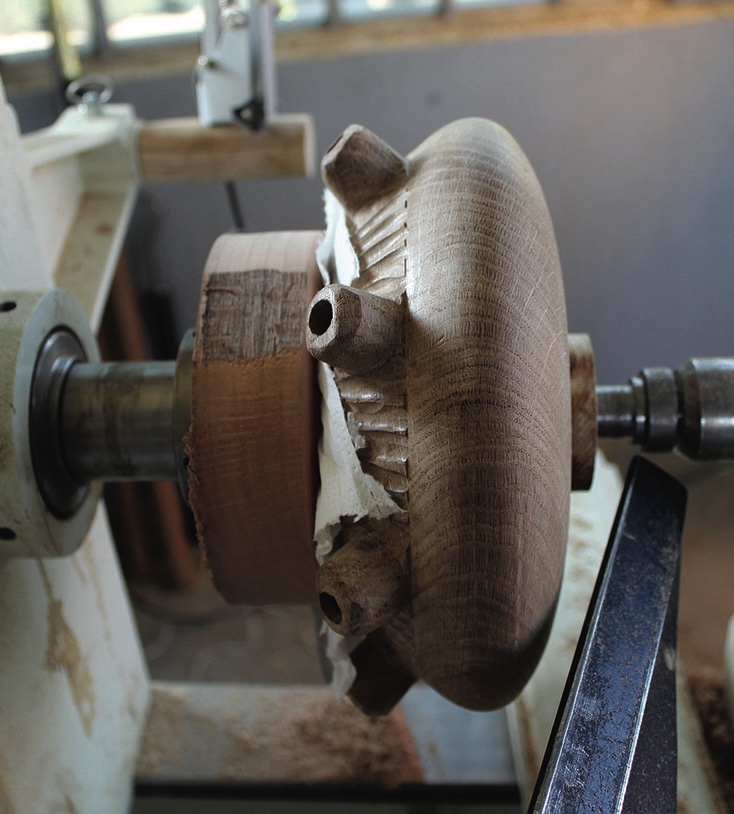
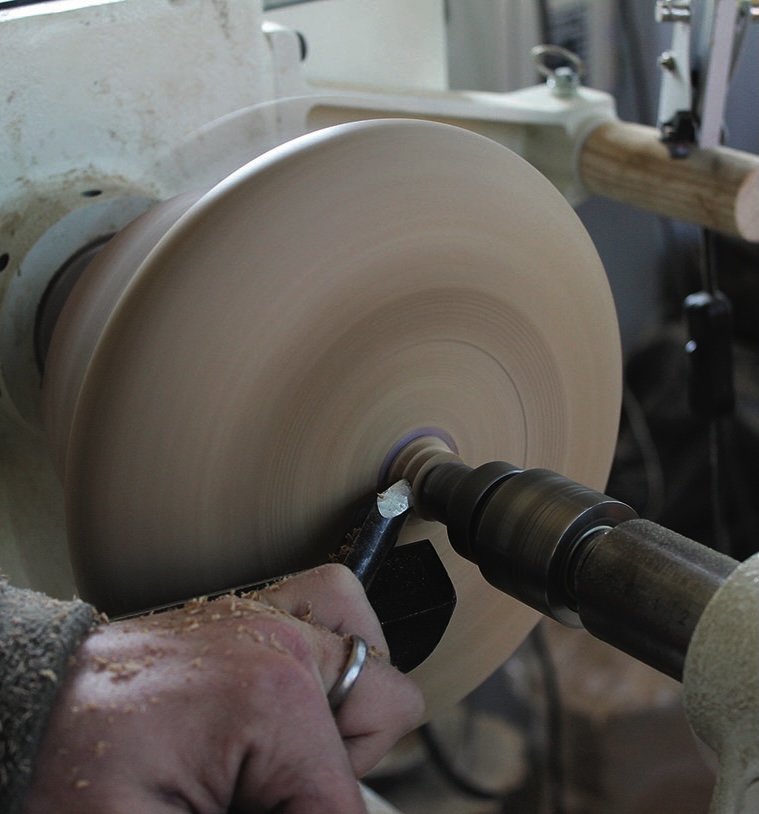
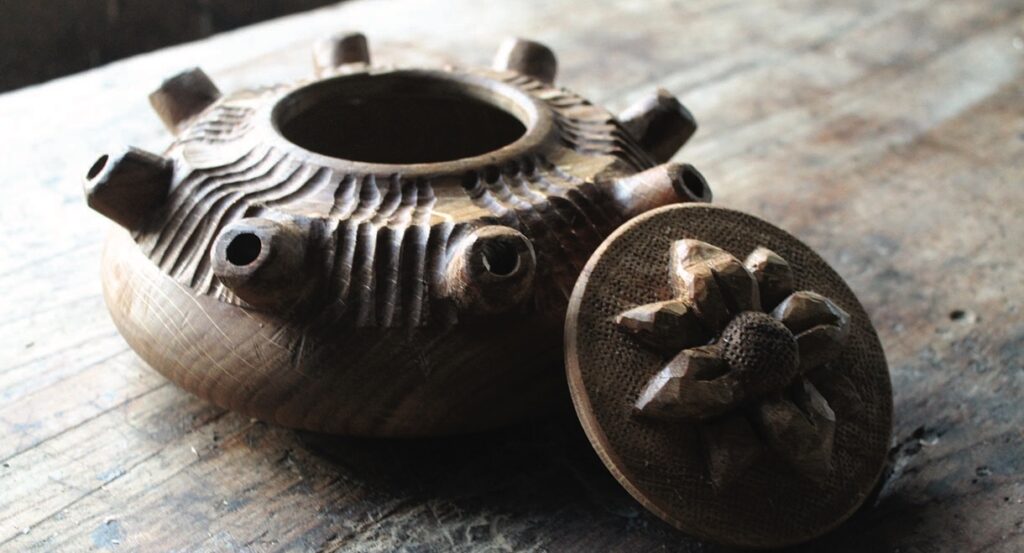
If all goes well, you now have a friendship cup.