The Woodworkers Institute

We bring you the very best of woodworking!

“Make it with us”

Let there be light

Mark Baker shows how to make a simple, decorative tealight holder
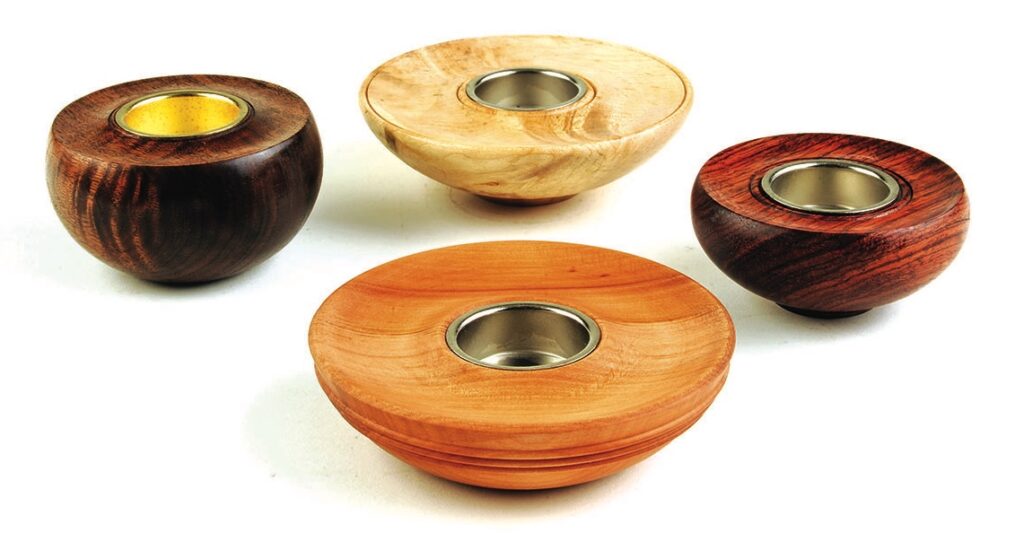
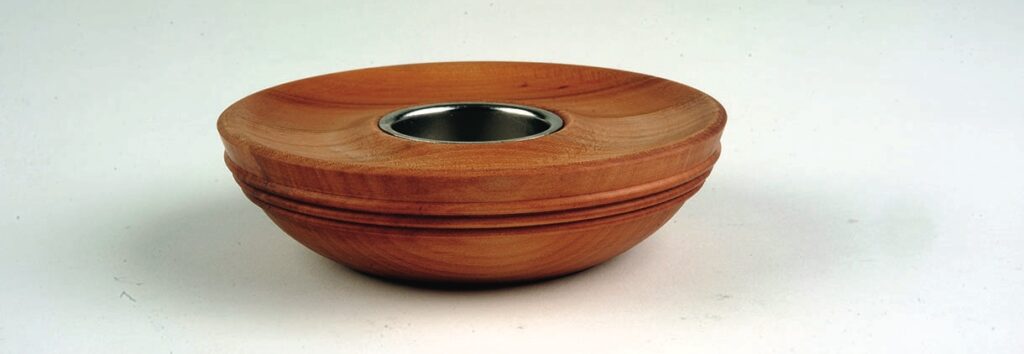
Tealight holders may seem a bit old hat or not something often thought about as a prime project for turning. That is a shame because they are functional, well liked as presents, they sell well at craft events and, depending on the grain orientation selected, are either spindle turning – a squat or tall form of a wide candlestick – or, if faceplate grain orientated timber is selected, the processes used are the same as those used for turning bowls but with a smaller internal hole. These are great items on which to practice and refine your turning skills. There are myriad design options to explore and you can choose almost any timber you like, whether it be figured or plain. They do not take a lot of timber so are low cost – unless you splash out on a rare or highly figured piece of wood – and can be very quick to make, so are ideal for us time-poor turners who want to have fun and make something useful when we get time in our workshop. This article shows how to make one and also gives you a few design variants.

Health and safety

• There is much debate as to whether one does or does not need to use some form of heat shield/insert between the tealight and the item it sits in. There may – depending on the country one lives in – be specific laws or guidelines to cover this and, if there are, follow them accordingly, but if they are ambiguous as to whether you should or should not have a heat shield in place, my opinion is why take the risk of not using a purpose-made glass or metal holder? That way you know that you are minimising the risk of something untoward occurring for minimal cost. The inserts can be incredibly attractive too and add something extra to the piece.
• No matter what height you make the tealight holders, always ensure that the base is wide enough to support the piece without it toppling over if accidentally knocked.
• If you do stick the glass or metal holders in place, use a heatproof adhesive and, if using glass, make sure that you leave a little bit of an expansion gap between the hole and the glass holder to allow for any wood movement.
• Never leave a lit tealight or candle unattended or place one near any flammable material.

Plans and equipment

Equipment and materials

Tools
• 10mm bowl gouge
• 3mm bead forming tool
• 10mm beading & parting tool
• 2mm or 3mm parting tool
• Square end or angle-edged scraper
• Round-nosed or French-curve scraper
• Calipers 
• Tealight insert of your choice

Materials
• Timber of your choice – I chose pear for this project
• Finish of your choice
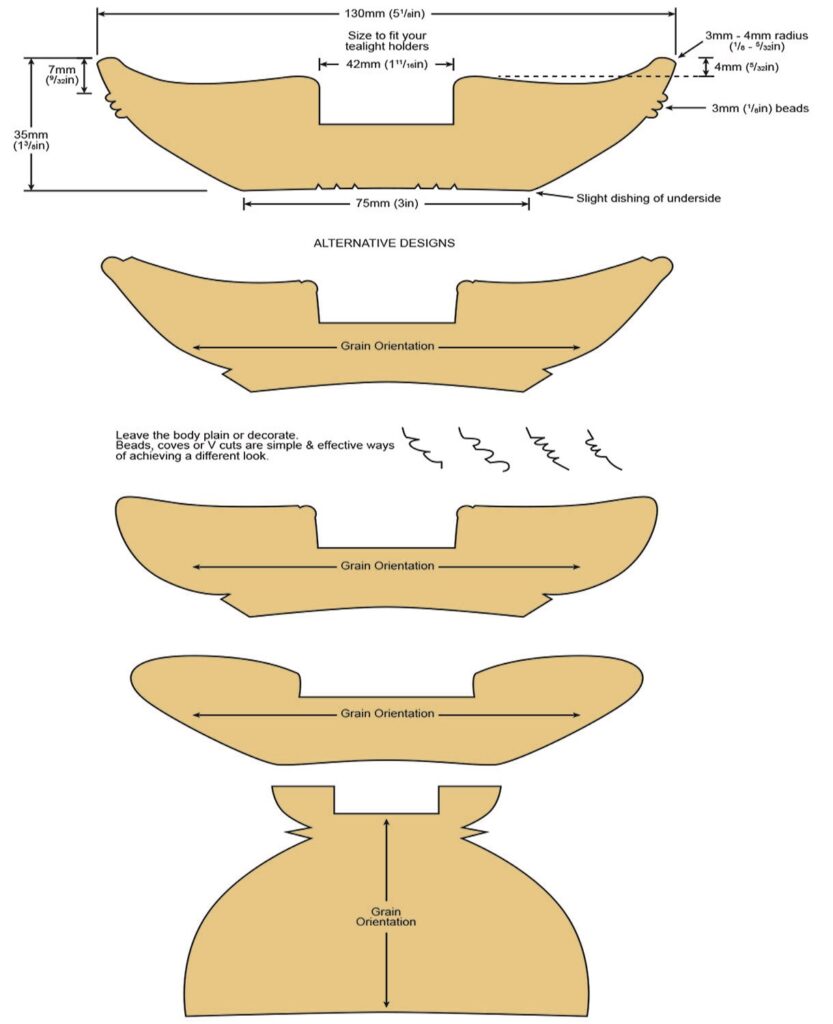
Turning tealight holders
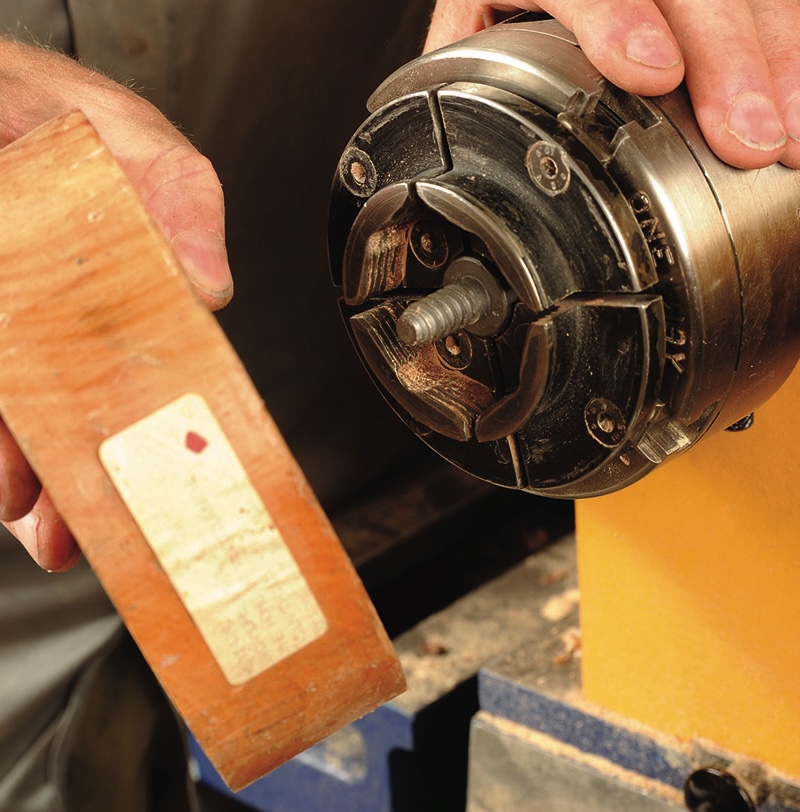
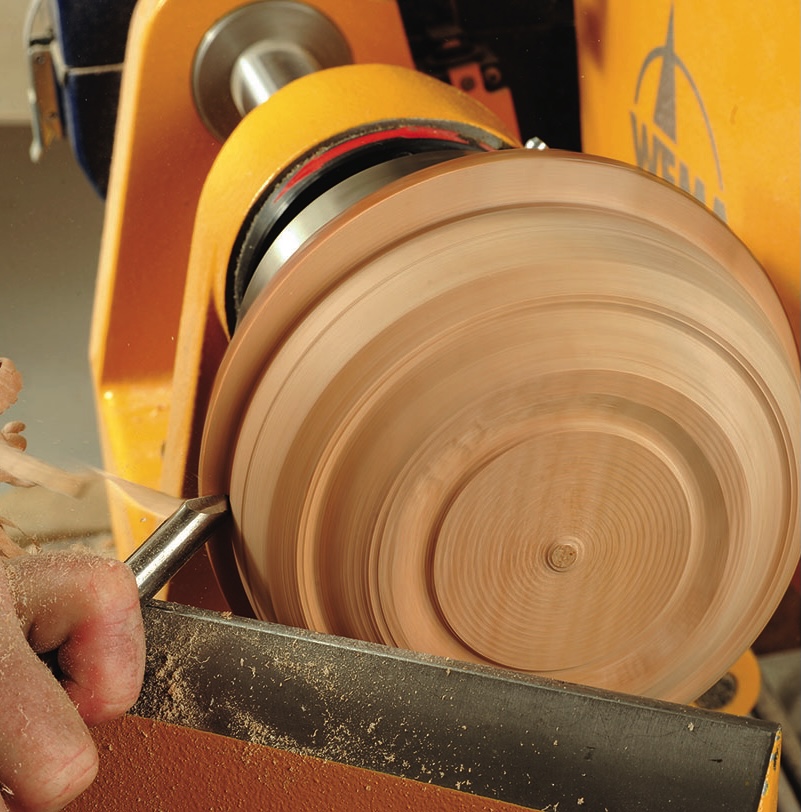
1. First, decide on your timber choice and grain orientation. I chose a small pear (Prunus spp.)bowl blank. I chose to drill a hole and mount it on a screw chuck. It is quick and simple. The hole drilled will eventually be turned away to fit the tealight holder in. I chose to initially mount this piece on a screw chuck
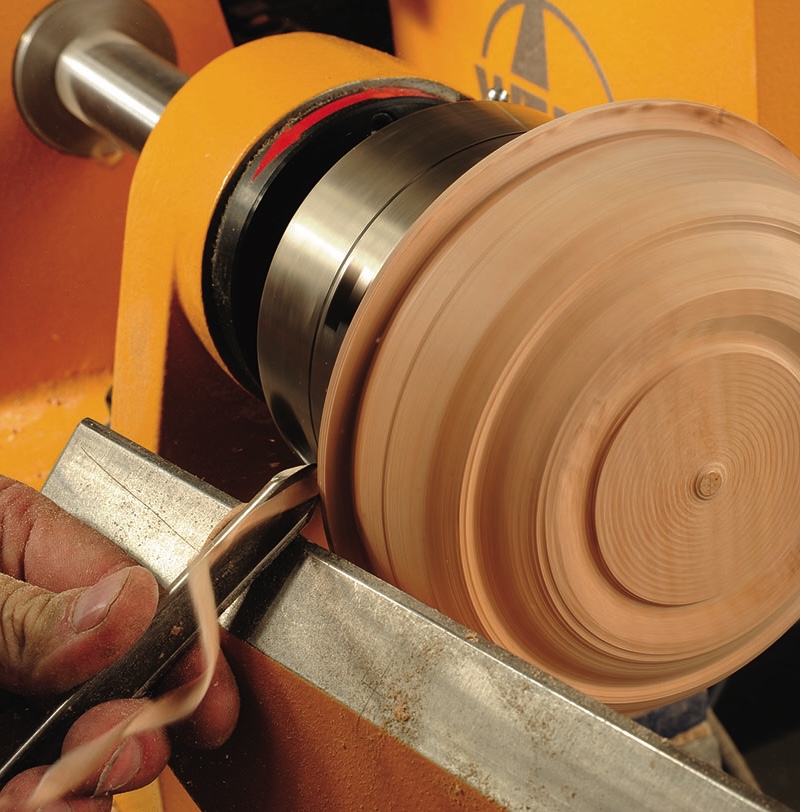
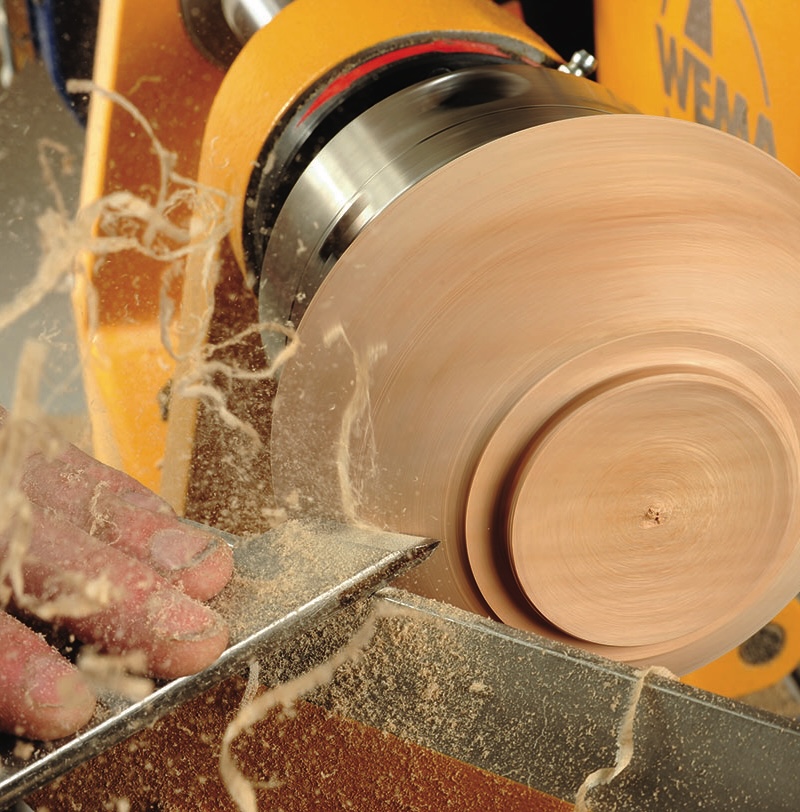
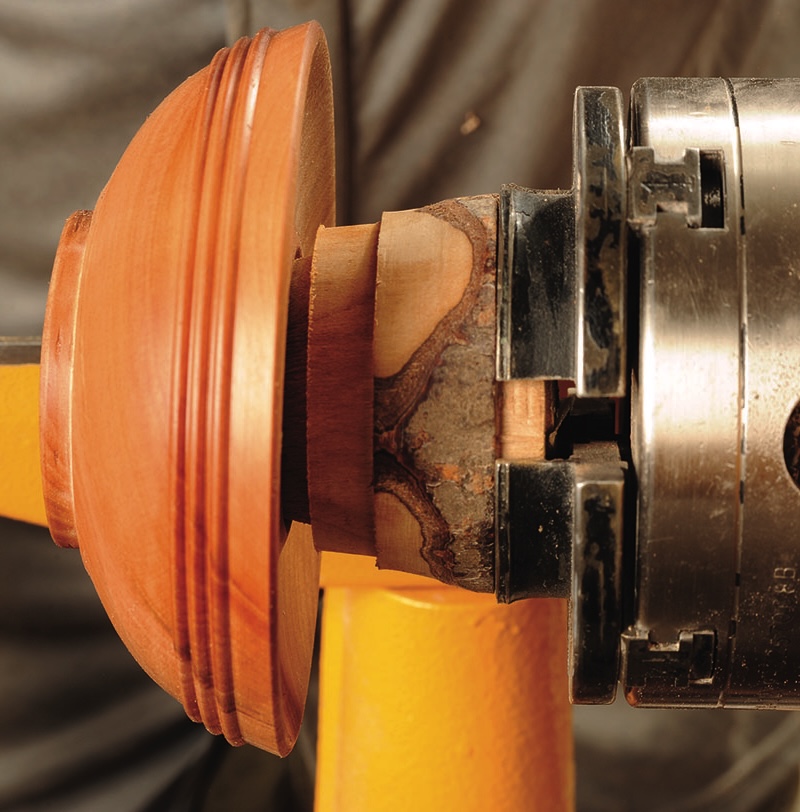
2. Once the work is mounted on the lathe begin to shape the underside of the tealight holder. A 10mm bowl gouge is ideal for this. You will need to mount this timber in a chuck later to turn the top and a spigot or recess can be used. I chose a spigot, so roughly set out the approximate size when you start removing waste material. Use a combination of a pull cut with no bevel rubbing to quickly remove the bulk of the waste prior to moving to a push cut to create fine finishing cuts that refine the shape and remove any damage caused by the pull cuts
3. One thing that I do is to not make the push cut straight through to the top edge of the piece. I have found on fractious timbers, no matter how slowly one cuts to the top edge, there is a risk with micro or larger shards of timber breaking off. So the last cut I reverse the cut to just trim that last bit away
4. Continue to refine the shape with the gouge until you get to the shape you require. Use a scraper after the gouge to refine the shape a little if required. But at this stage, do have the width of the eventual base determined and also make sure you have cut a tenon to suit your chuck jaws
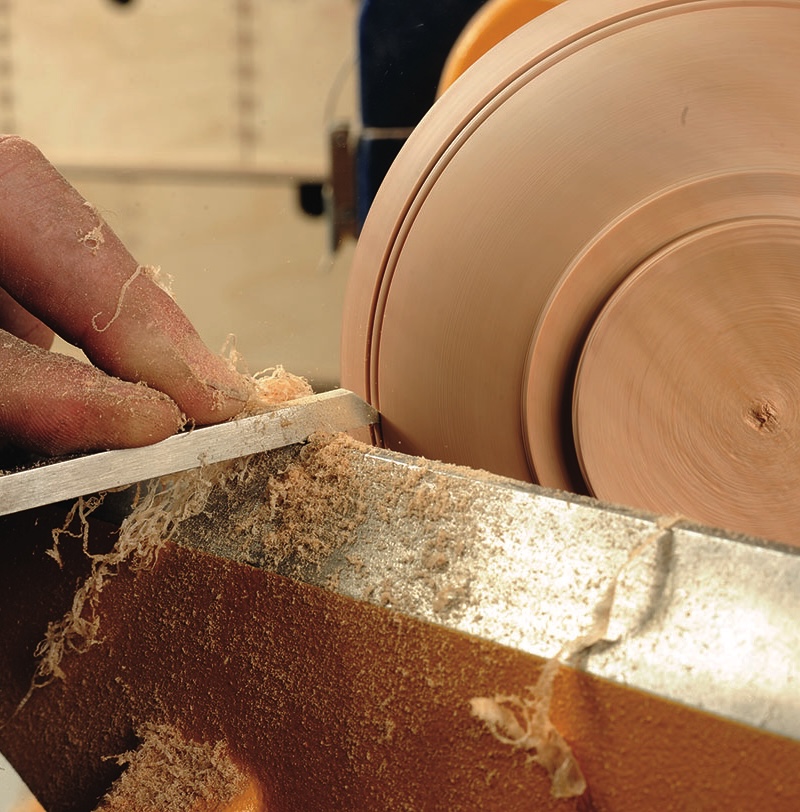
5a. Whether you leave the outside shape plain or choose to decorate it is up to you, but I like some decoration and chose beads in a band
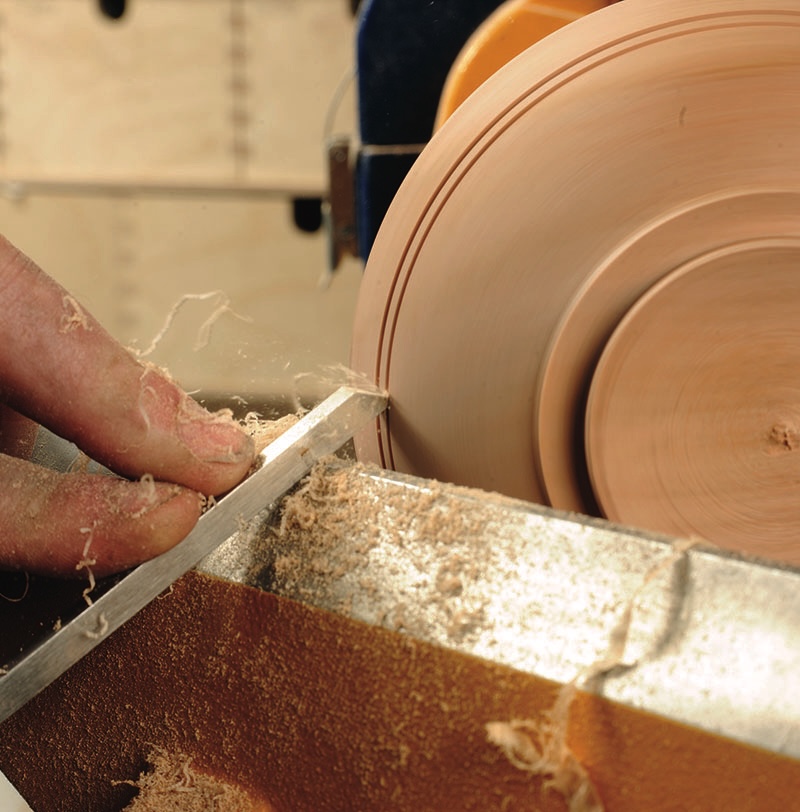
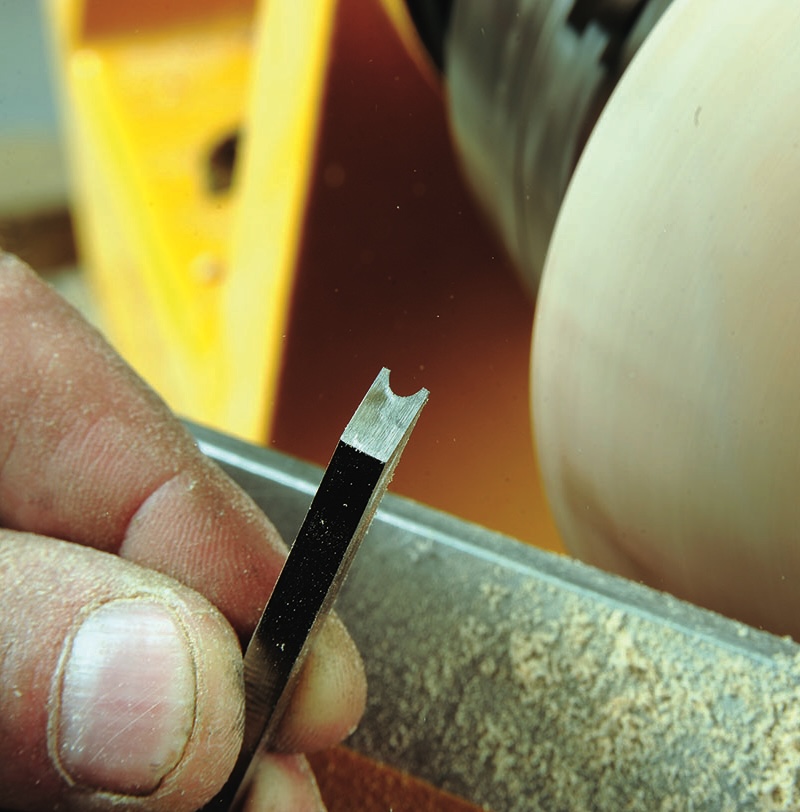
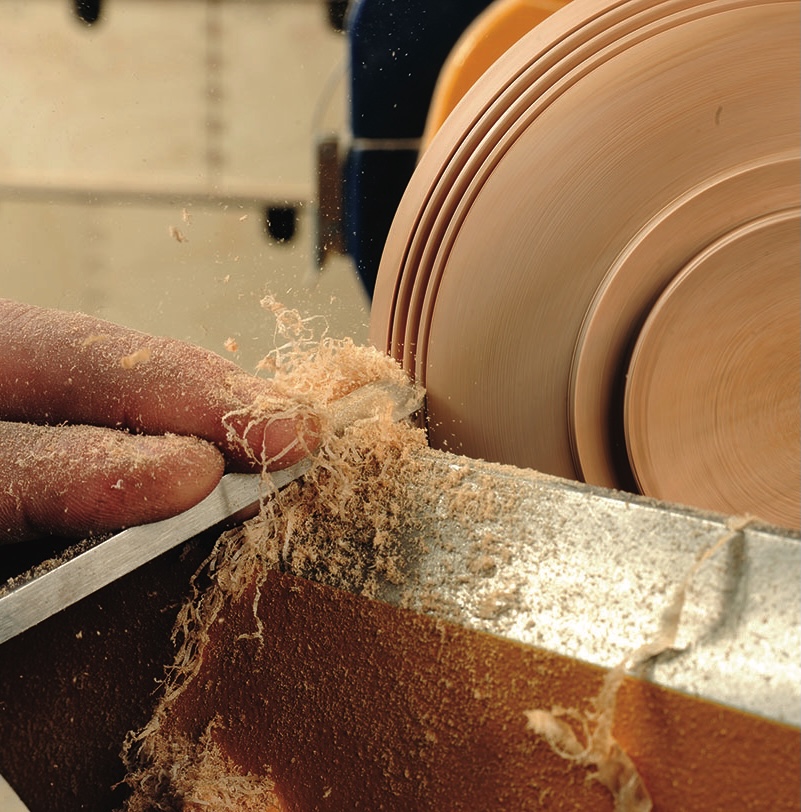
5b. To turn lots of small beads of the exact same size by hand is a wonderful skill to have and learn, but a simpler and effective way of creating uniformly-sized beads is to use a bead forming tool
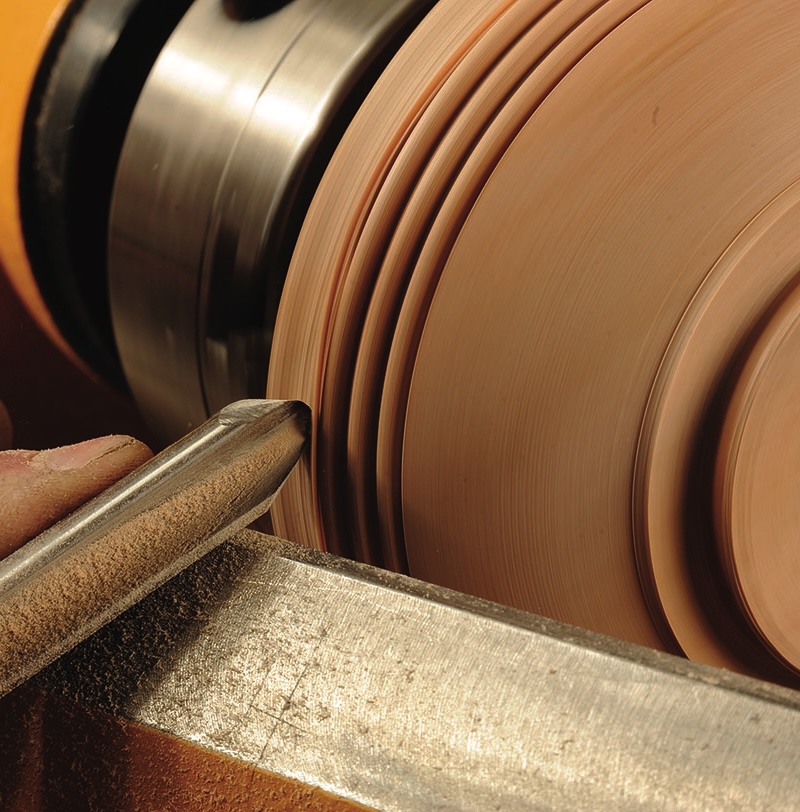
6a. The trick with these is to never use them to reduce the diameter of the work, only cut to the surface you have shaped and make the last cut to fully form the crown of the bead with the cutting edge in trailing mode to minimise fracturing the crown of the bead
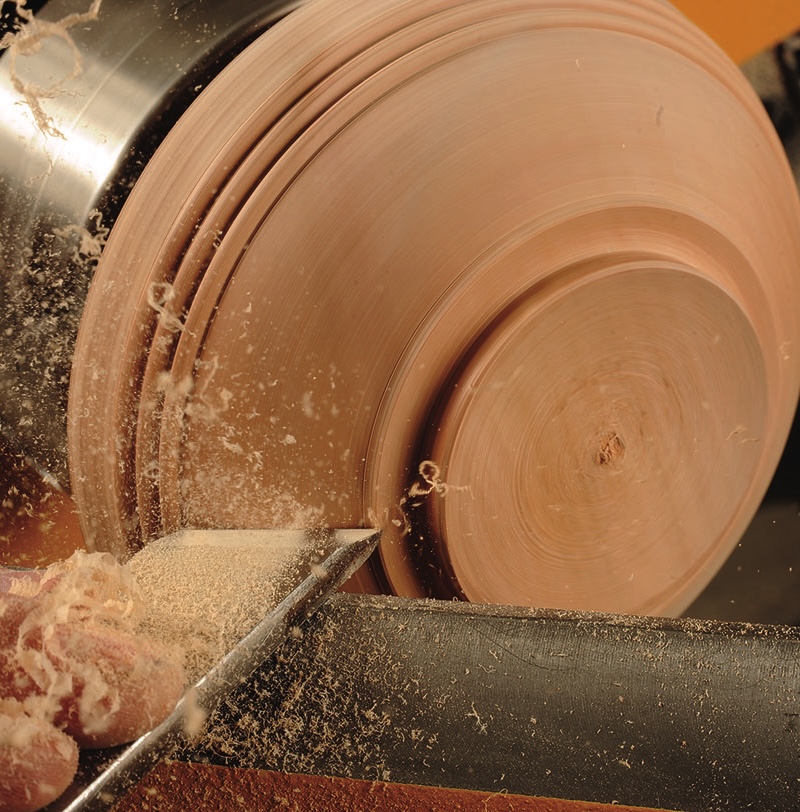
6b. Once you have cut one bead, repeat the process until you have the number of beads you require
7. You can leave the beads flush with the external profile or create a raised band of beads, but refining the shape either side of the bands of the beads. A combination of a bowl gouge…
8. … and scraper will allow you to depress the surface of the tealight holder so you have a raised band of beads. The shape of the depressed bodyline should mimic the arc that the beads follow or you will have a visual disjoint as far as the flowing body curves and the raised bands of beads
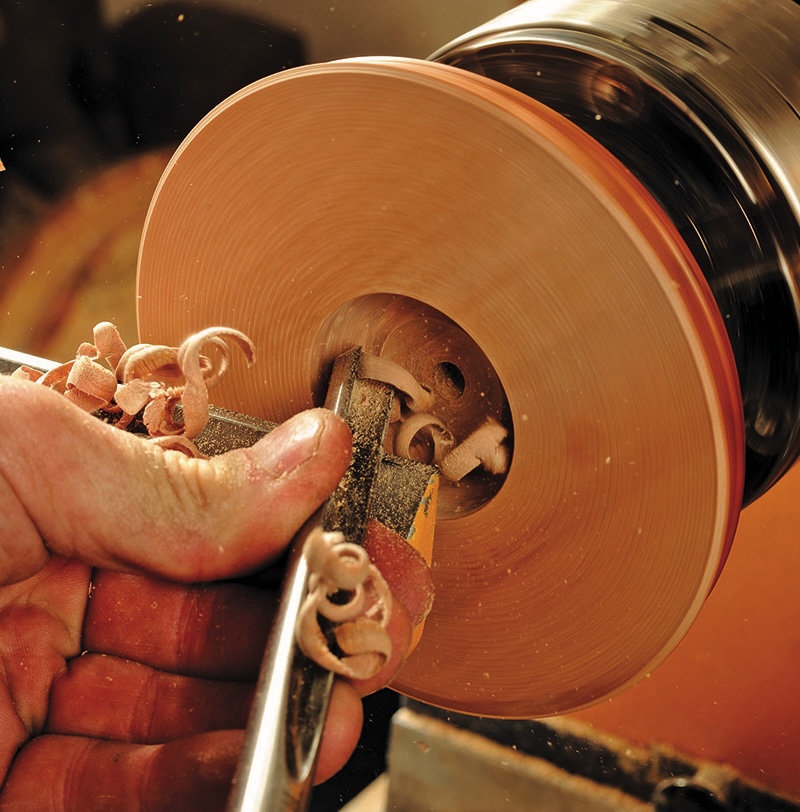
9. Once shaped, sand and apply a finish of your choice. I tend to use an oil finish. Then remove the piece from the screw chuck, mount it in your chuck jaws and use a bowl gouge to true up the face of the wood
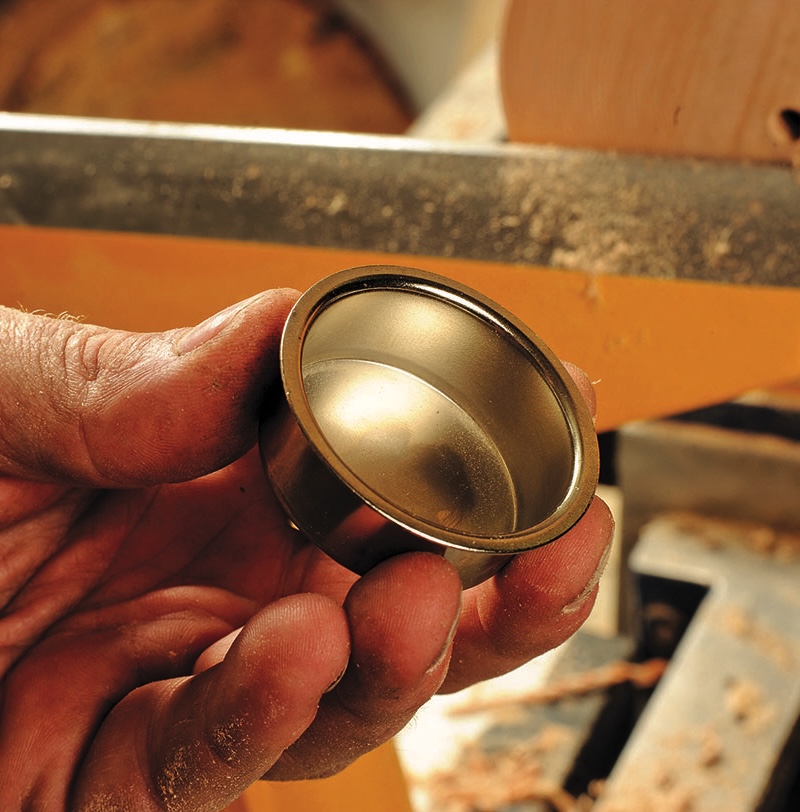
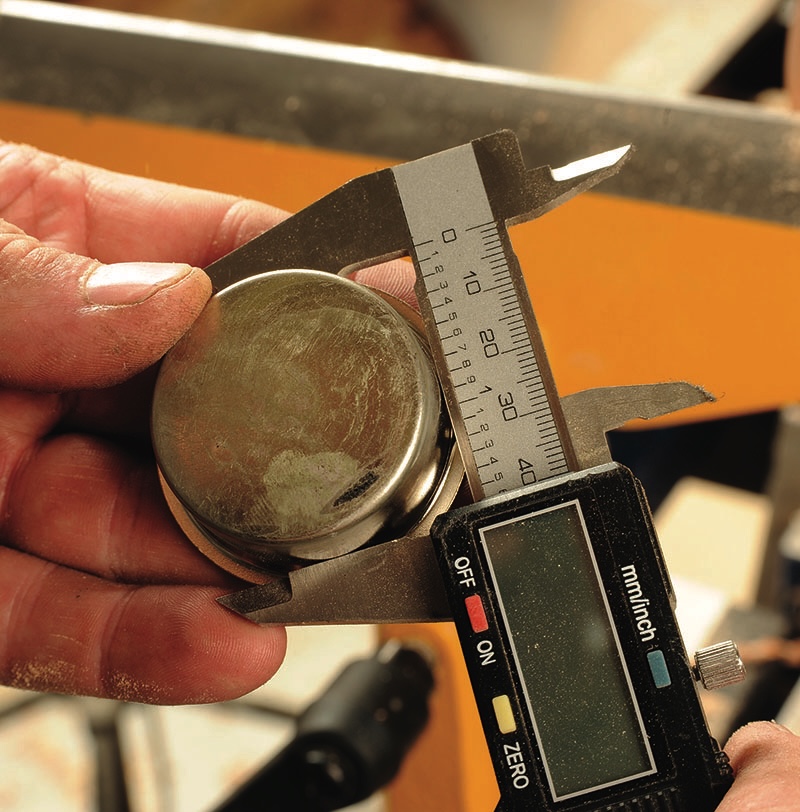
10a. You now need to check and measure the sizes and shape of your tealight insert. This metal one I am using has a plain body that is 20mm deep and 40mm wide with a rim that has a 2-3mm flare on the lip to cover the rear hole making the hole simple to cut
10b. Tapered ones need a bit more care in measuring and cutting
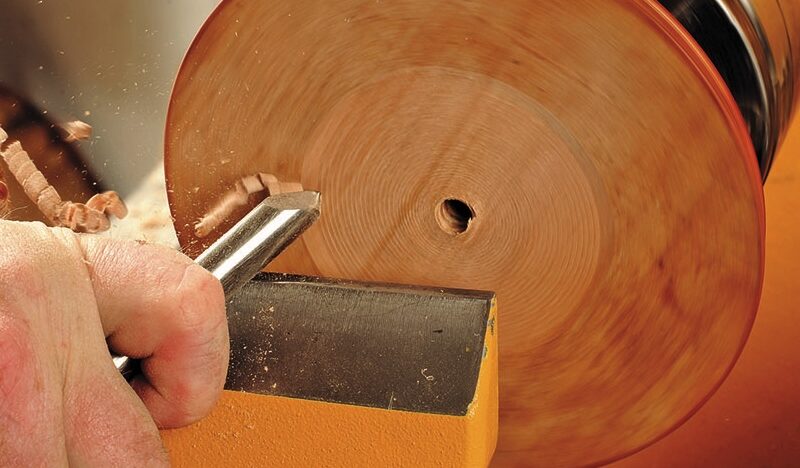
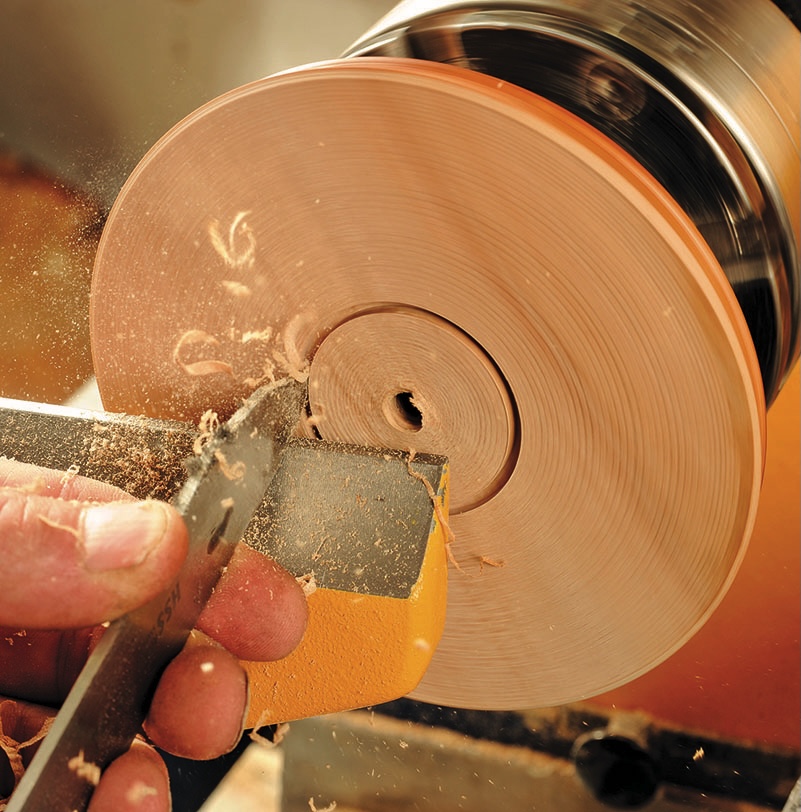
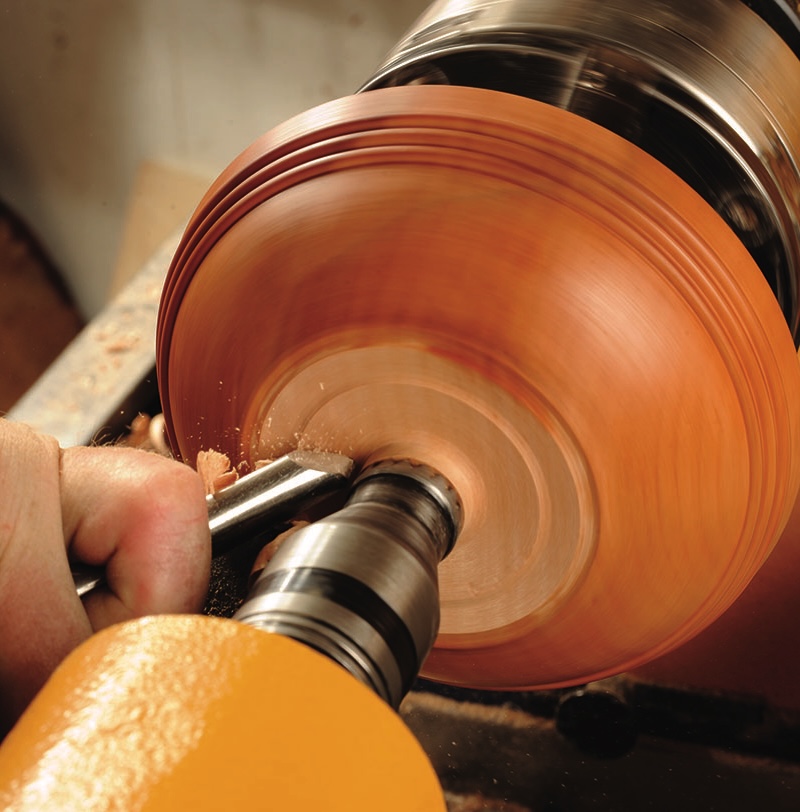
11. Transfer that width measurement of the insert to the face of the blank and either drill the hole – using a Jacobs chuck in the tailstock fitted with the correct size bit or just smaller than that required – or make a parting cut into the wood with a parting tool on the inside of the marked size to just shy of the depth required
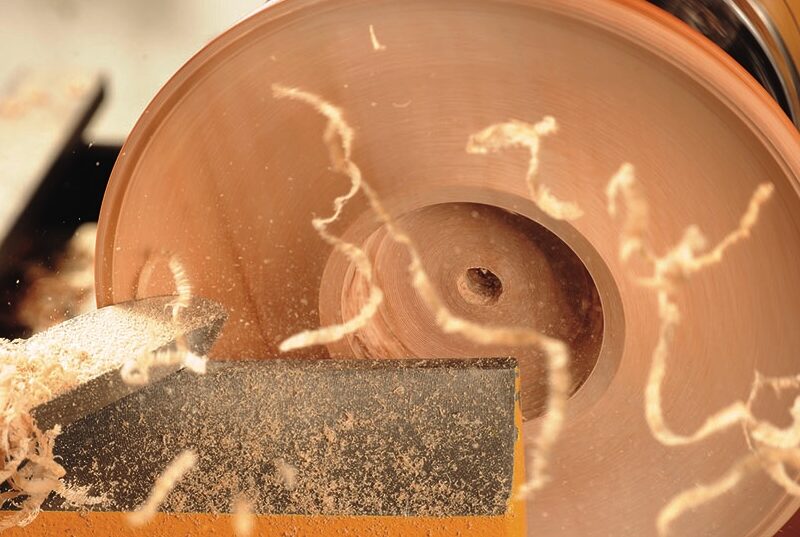
12. Now use a bowl gouge to remove the bulk of the waste, then use a combination of a beading and parting tool to refine the hole and corners. The depth of hole cut is slightly deeper than the cup due to there being a slight dished profile in the top of the tealight holder. Note the hole in the bottom for the screw chuck. This will be covered later by the insert which will be glued in place with heatproof adhesive so I tend not to worry about that
13. Create the slight dished profile from the rim leading down to the inner hole then slightly radius the top outer edge of the holder and inner edge of the tealight insert hole. Next, refine the shape with a round-nosed or French-curve scraper if you need to. Once done, sand and oil the piece and once again check the insert for fit
14. To finish the base of the piece I tend to use a jam chuck to hold it while I refine the base. To do this, mount a piece of endgrain material and cut a tapered tenon that will lock into the hole cut for the tealight insert
15. Adjust the tapered tenon until you know you have a secure fit, place some kitchen towel over the tenon and mount the tealight holder on to the tenon using the tailstock to keep everything in place at the moment. Once secured, use a gouge to remove the waste material on the underside of the tealight holder to get the shape you want. I like a slightly dished underside. I know it will sit well on a surface. I used the corner of the beading and parting tool to create a series of V cuts in the bottom to create a little bit of decoration. Once done, stop the lathe, remove the tailstock, check the piece is securely held on the jam chuck and remove the stub left from the tailstock. After this, sand and finish as required
16. Now all you need to do is glue the insert in place and you have a simple and effective tealight holder

Leave a Reply

Your email address will not be published. Required fields are marked *