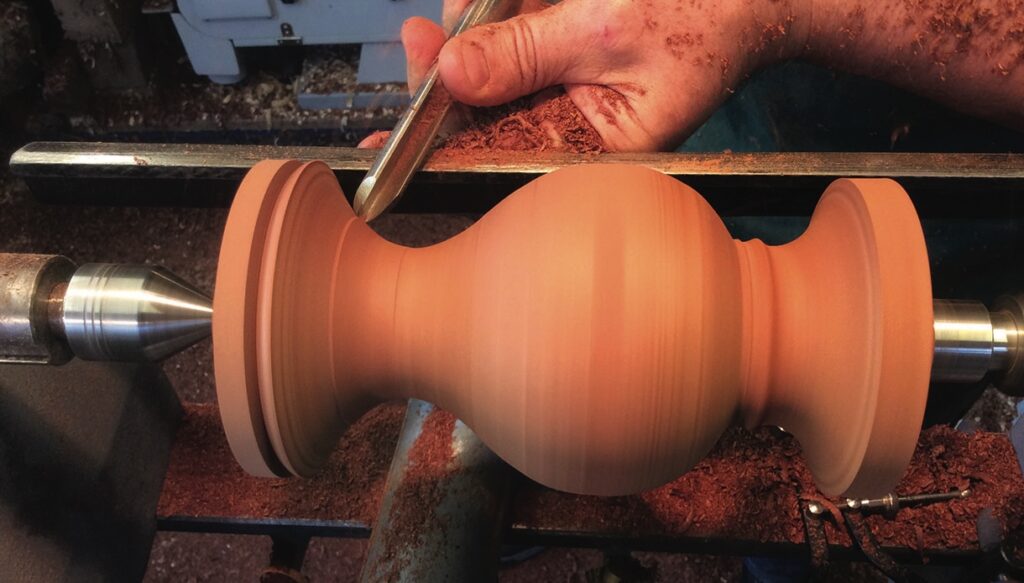
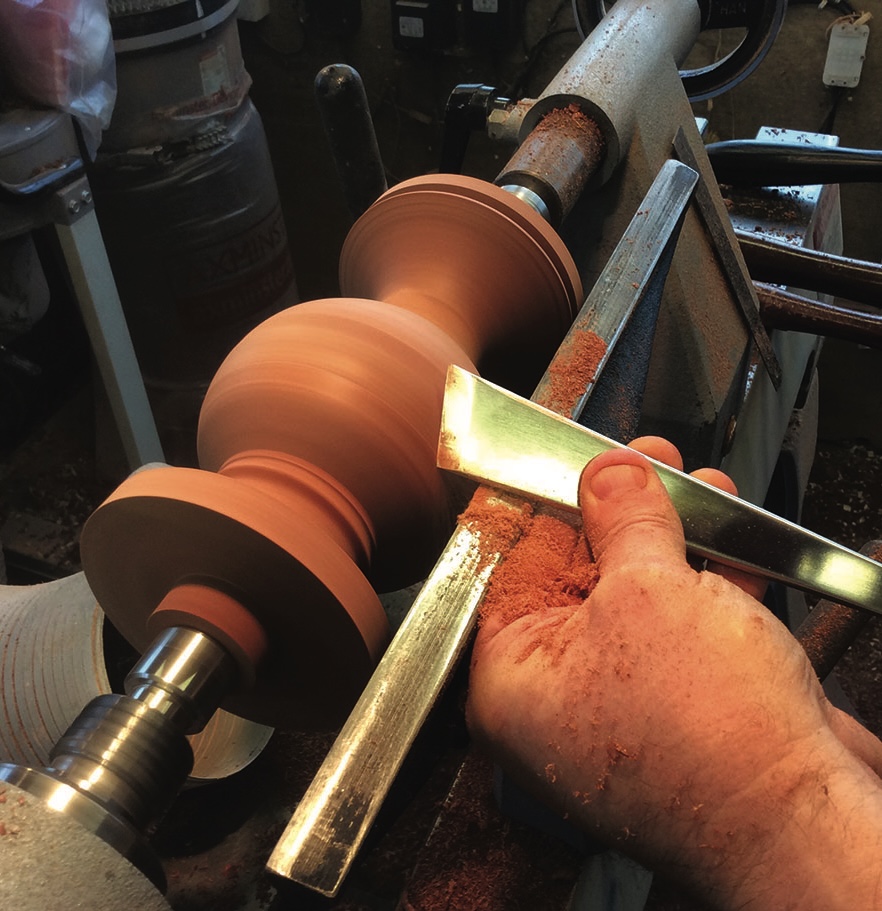
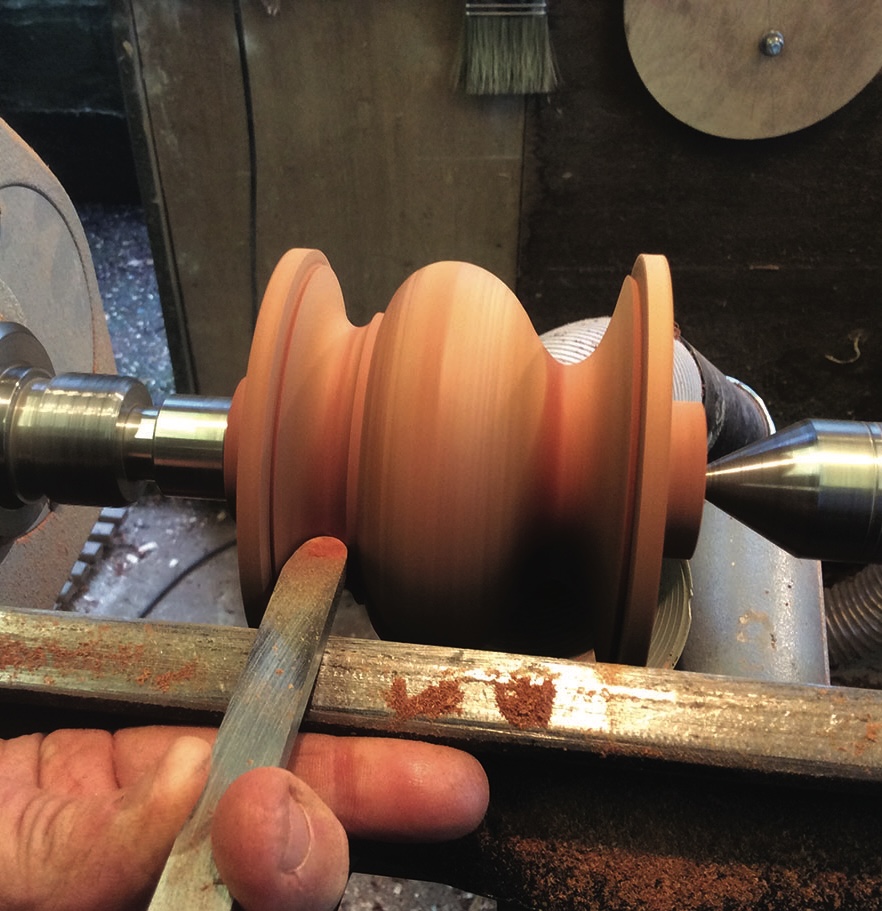
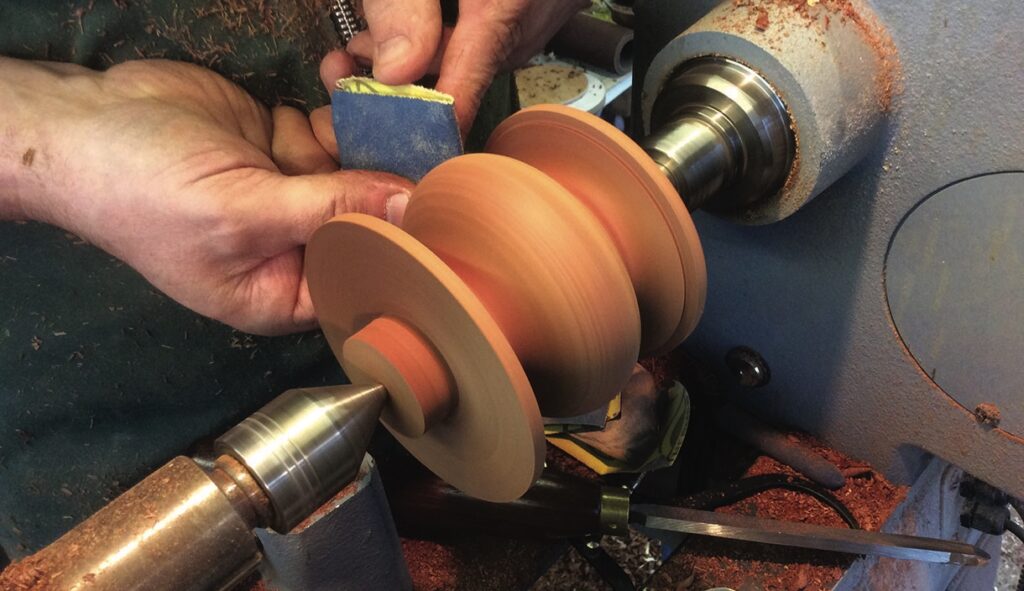
Colwin Way shows how to turn a selection of bowls, bases and columns that can all be joined in different combinations to create different looks
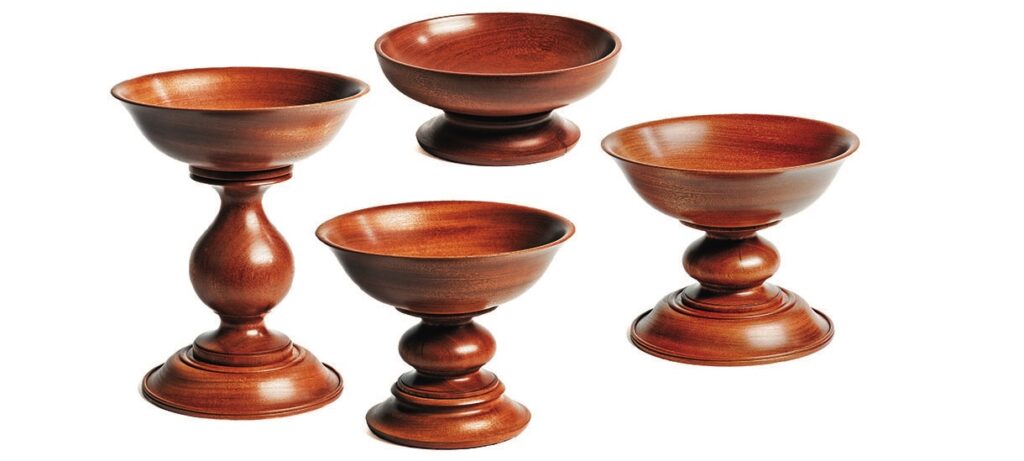
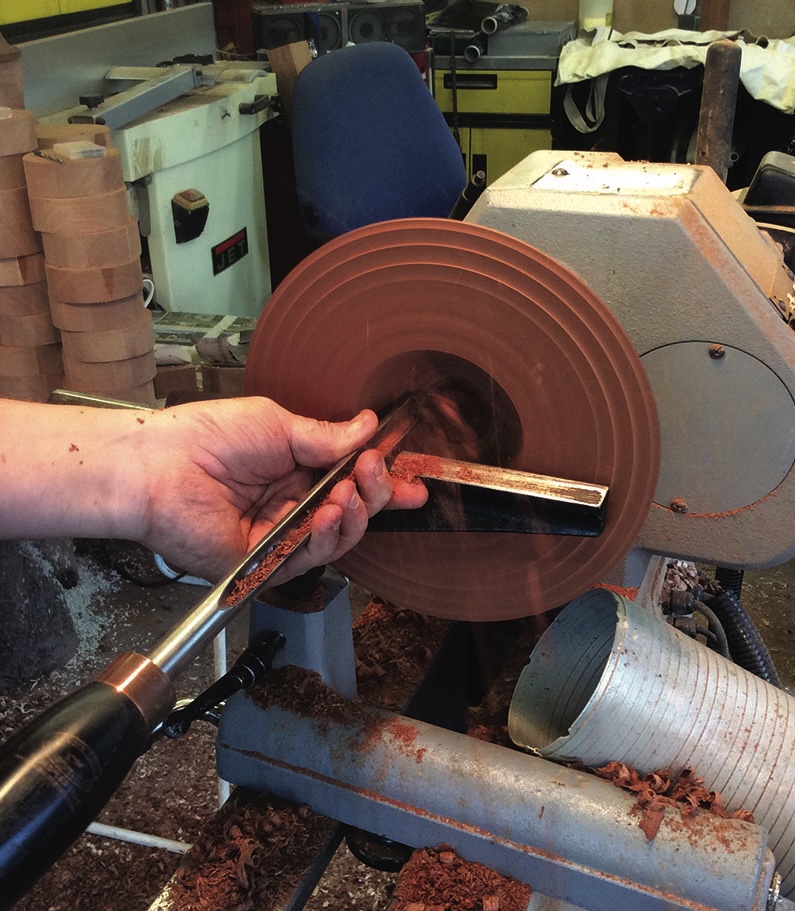
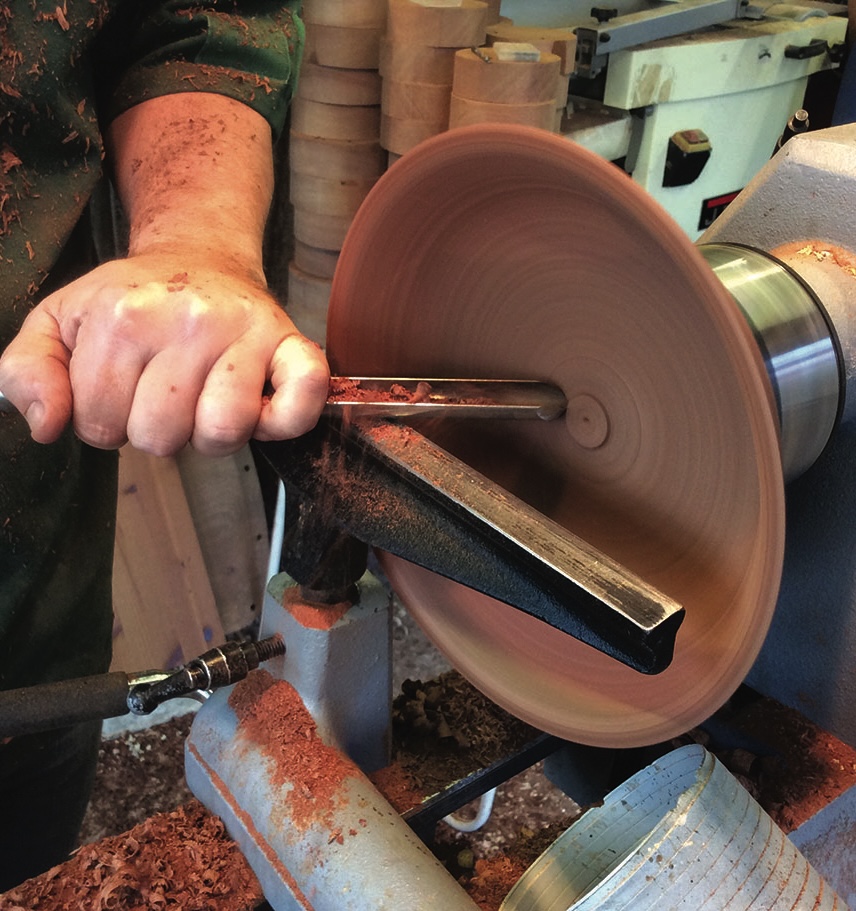
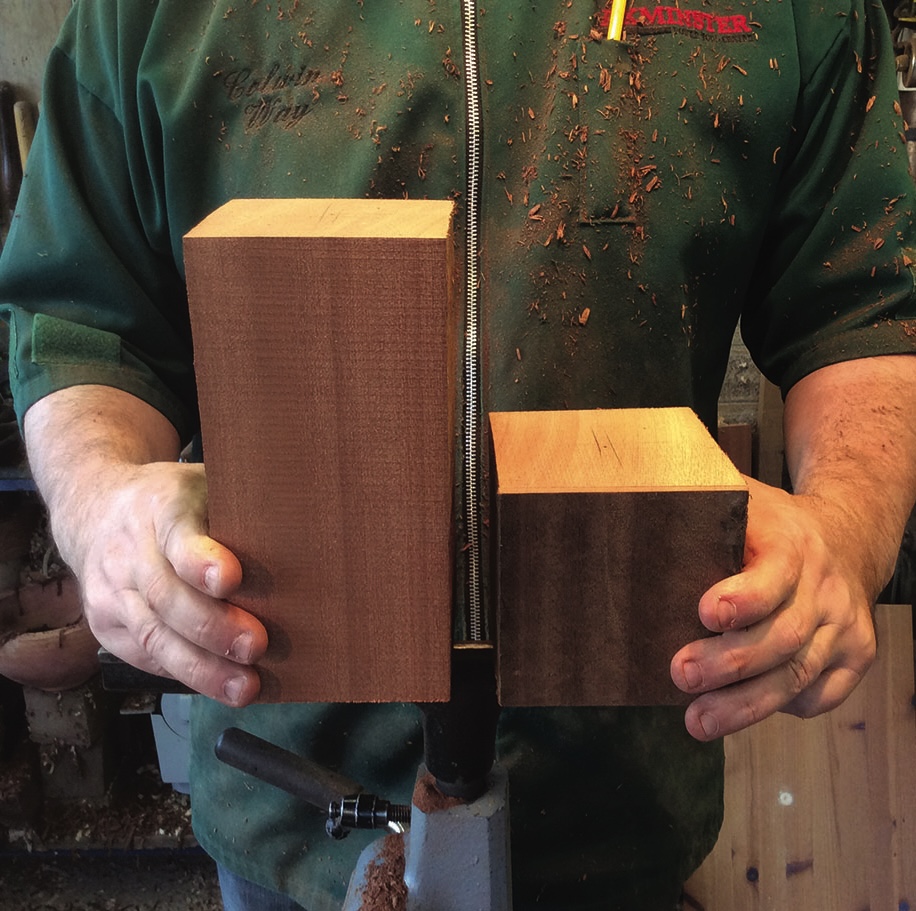
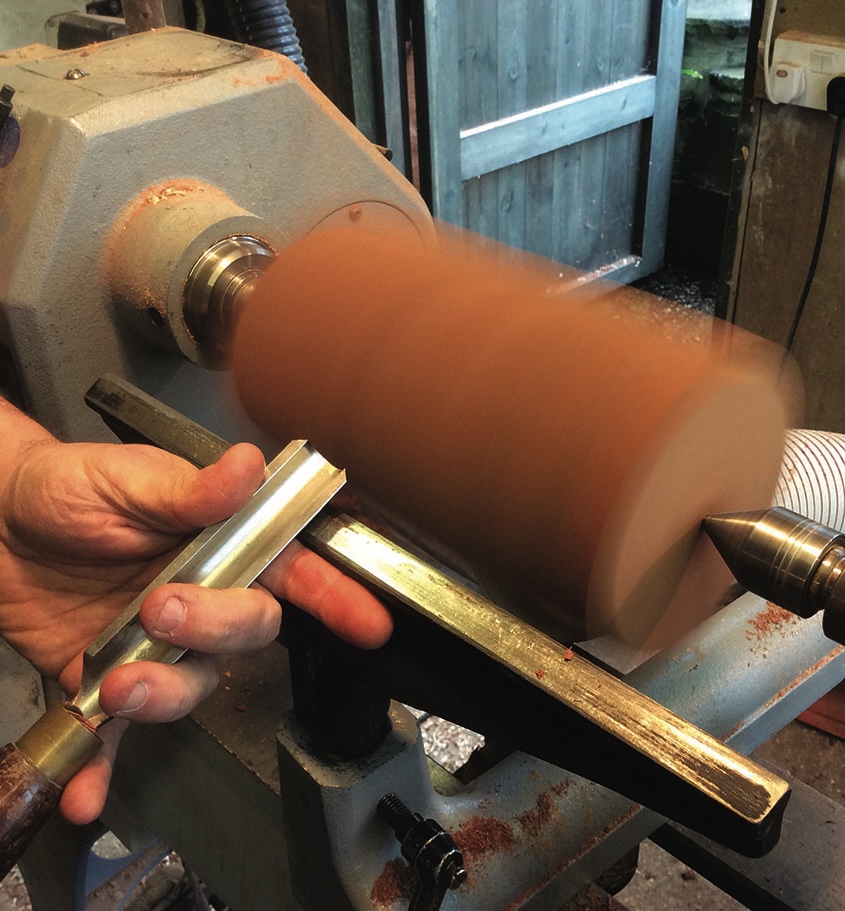
I want to use a variety of different stands, spindles and bowls to show how we can stretch and compress a design to create a mixture of different projects. Along the way we can once again explore bowl and spindle turning techniques while having fun with the shapes. I’m going to use a neutral timber – this means a timber that’s relatively plain with no strong grain pattern – so we can concentrate on the form rather than the pattern of the timber, in this case sapele (Entandrophragma cylindricum).
Sapele as a timber machines very well and is often used for door and window frames because of its uniform grain, machining quality and resistance to rot. However, sapele can have side effects, such as skin irritation, so all the usual precautions need to be taken, such as dust protection both directly with dust masks and dust extraction taking the dust away at source. You can, of course, try using hardwoods or softwoods for these projects as you choose.
Equipment
Tools
• 6mm bowl gouge
• 10mm bowl gouge
• 12mm round nose scraper
• 20mm spindle roughing gouge
• 3mm parting tool
• 30mm skew chisel
• 8mm drill bit
• 35mm Forstner bit
• Screw chuck plywood packing pieces
• Four-jaw chuck
• Jacobs chuck
• 150mm callipers
• Ruler
• Sanding sealer
• Wax polish
Plans
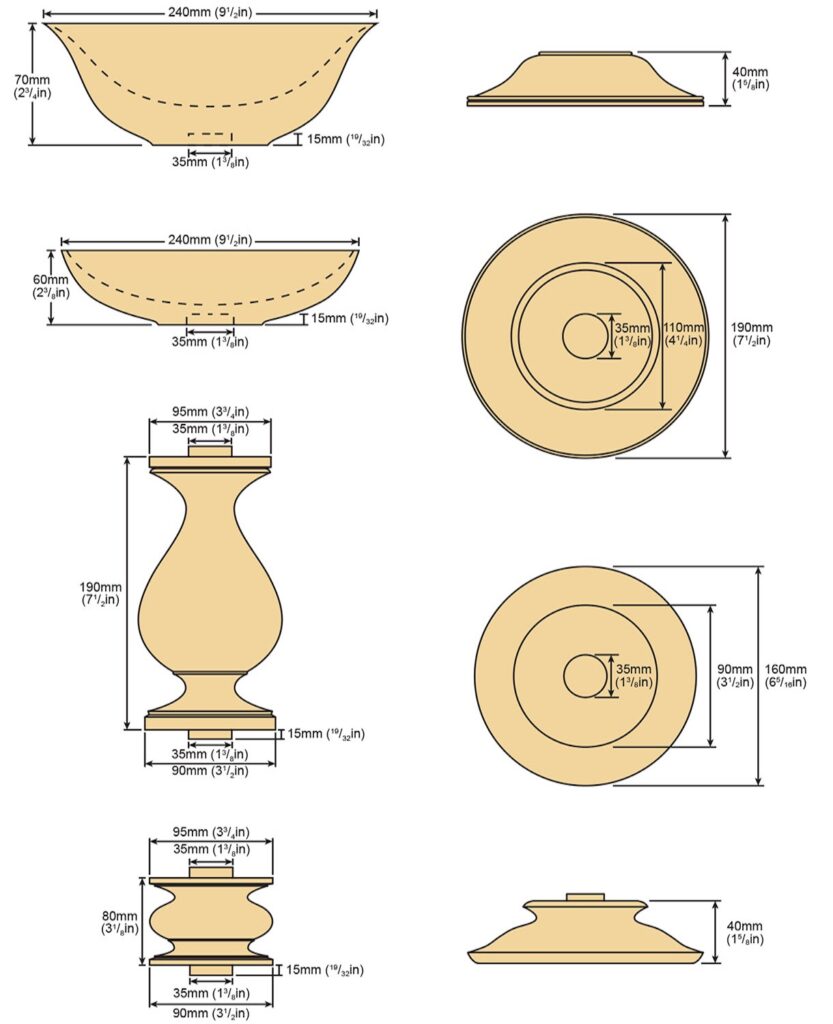
Bases
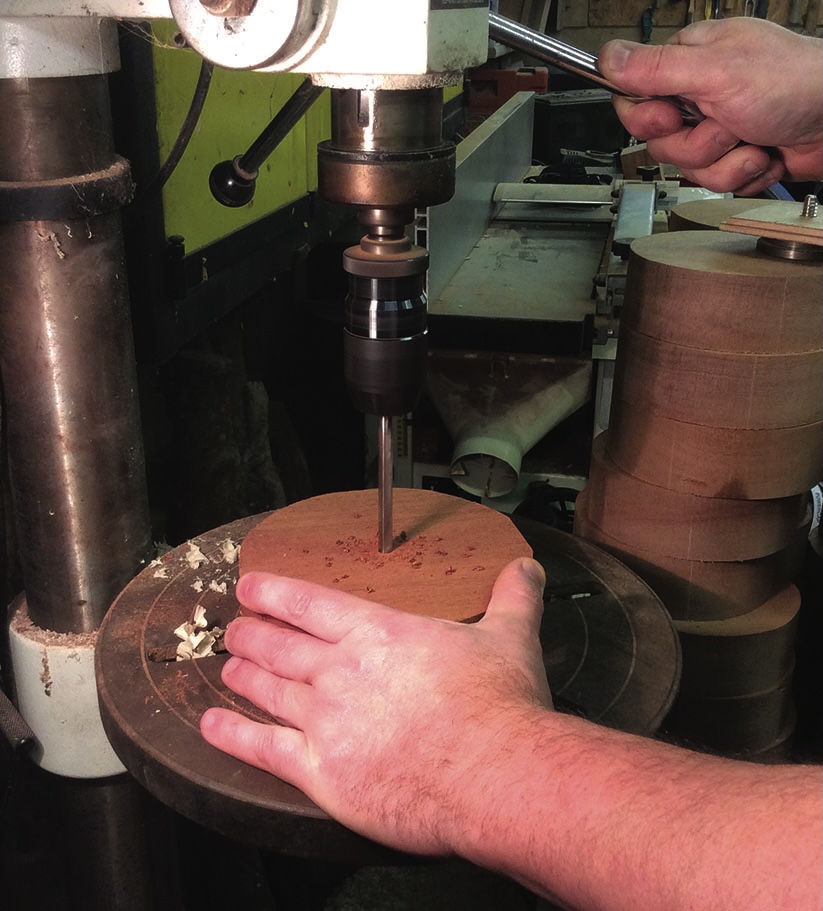
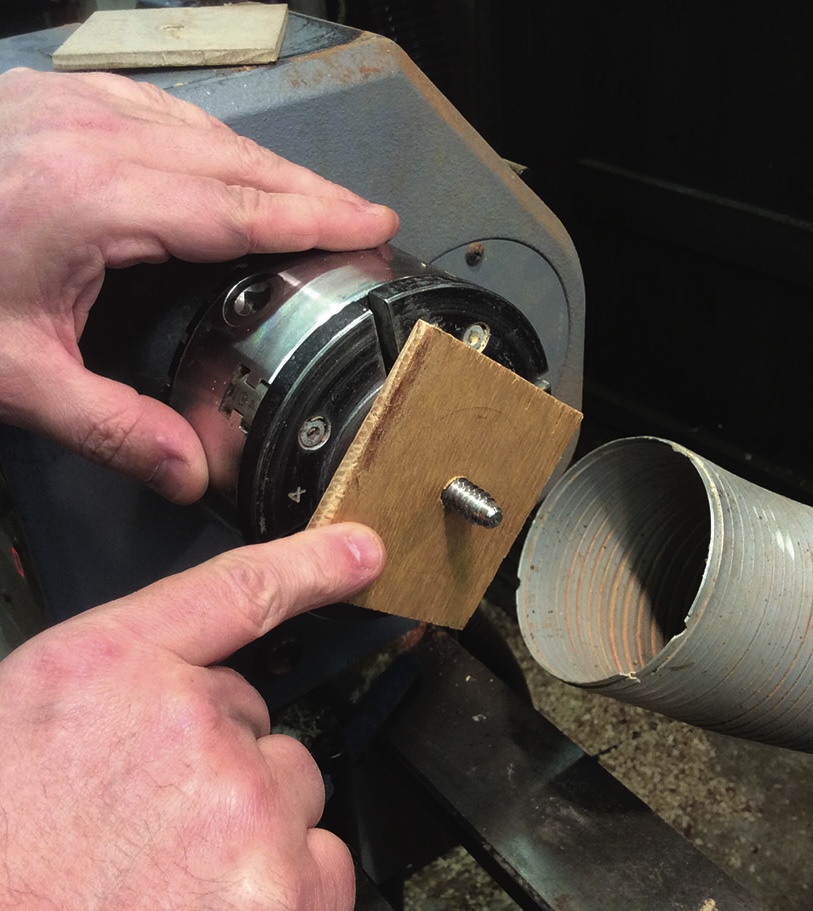
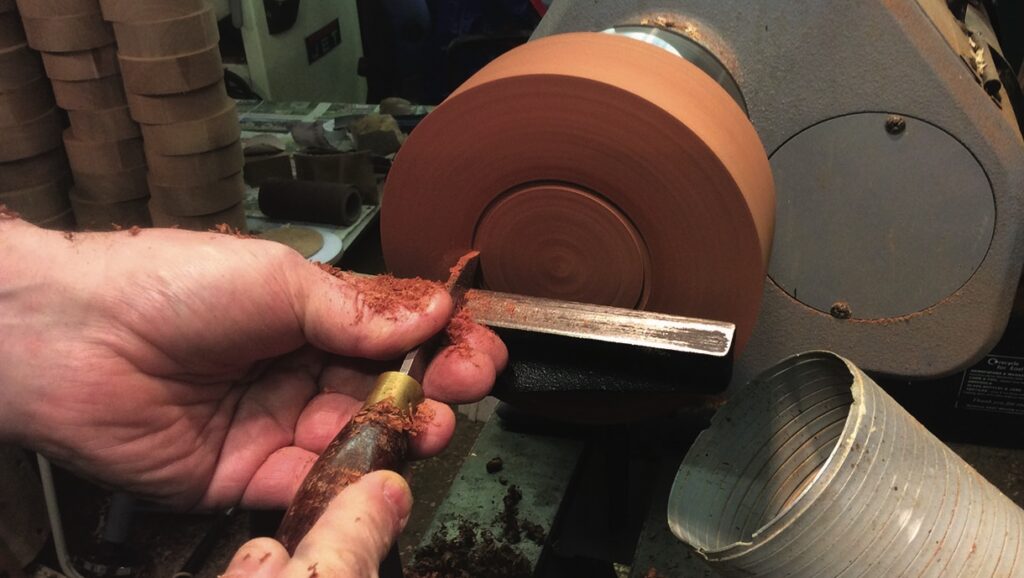
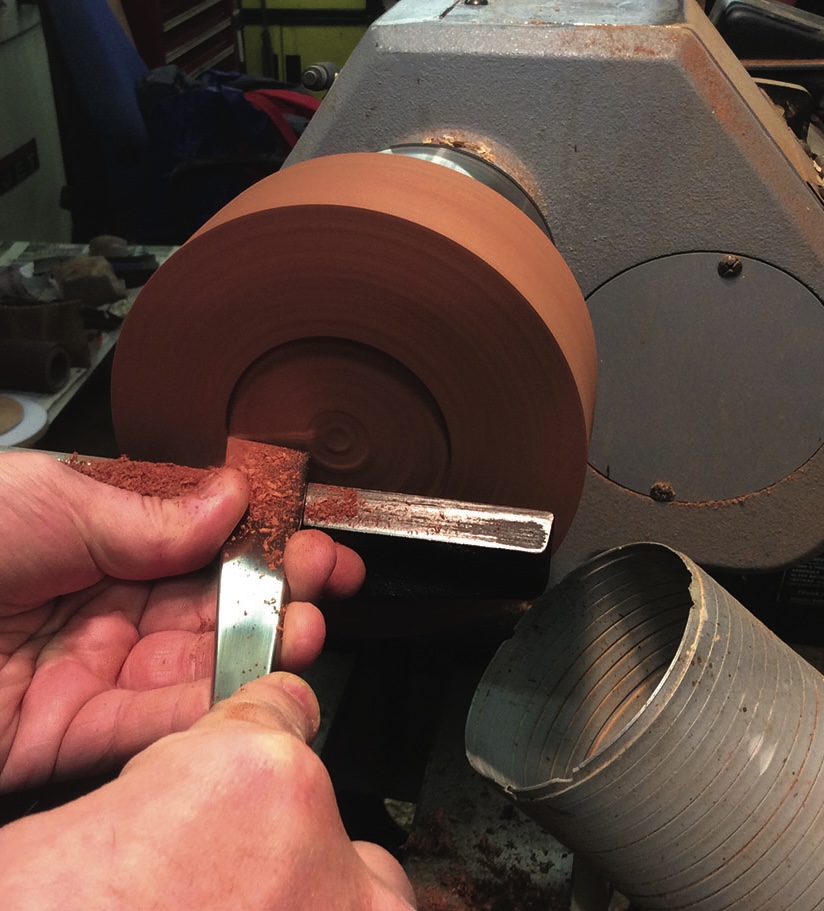
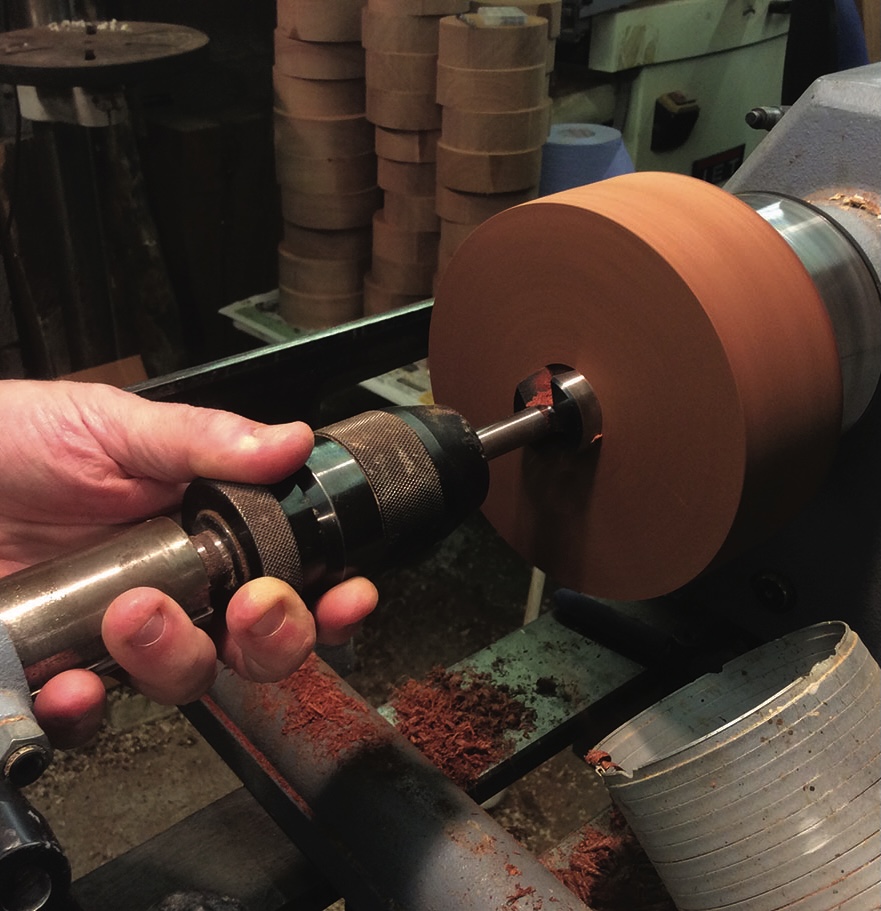
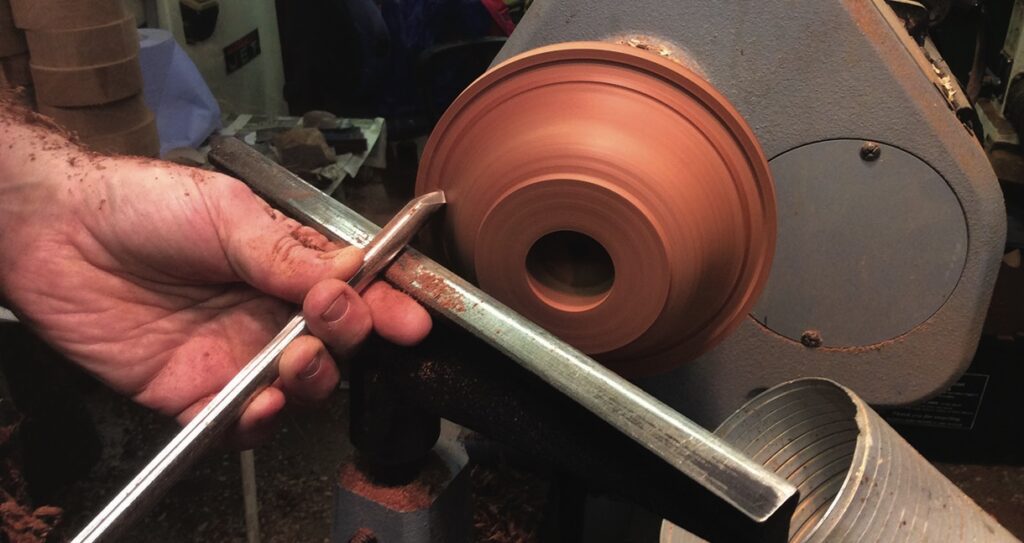
Second base
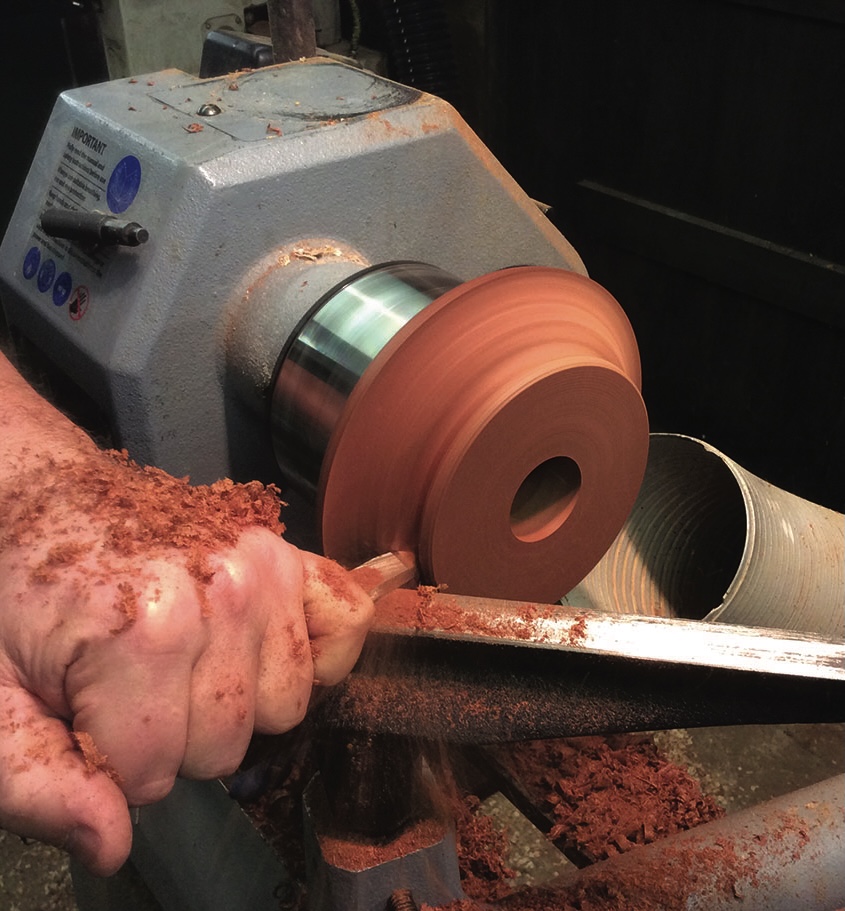
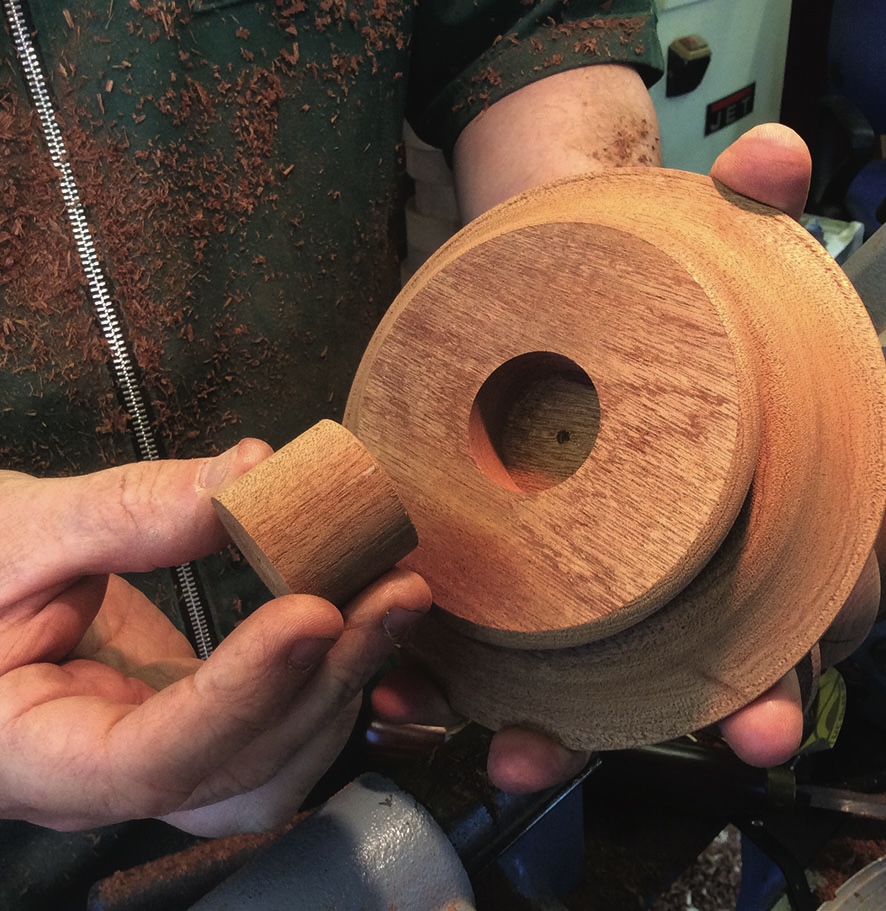
Bowls
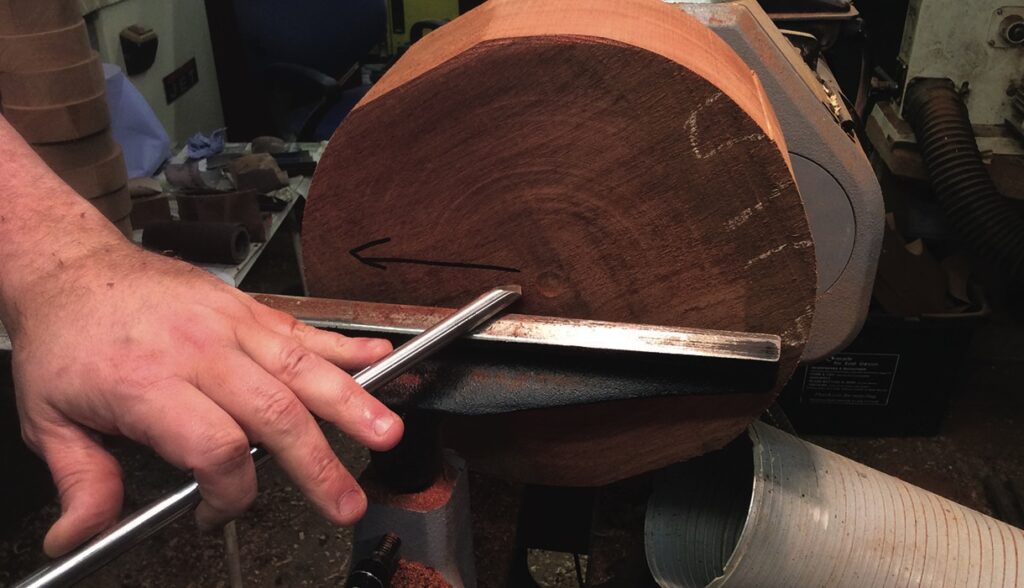
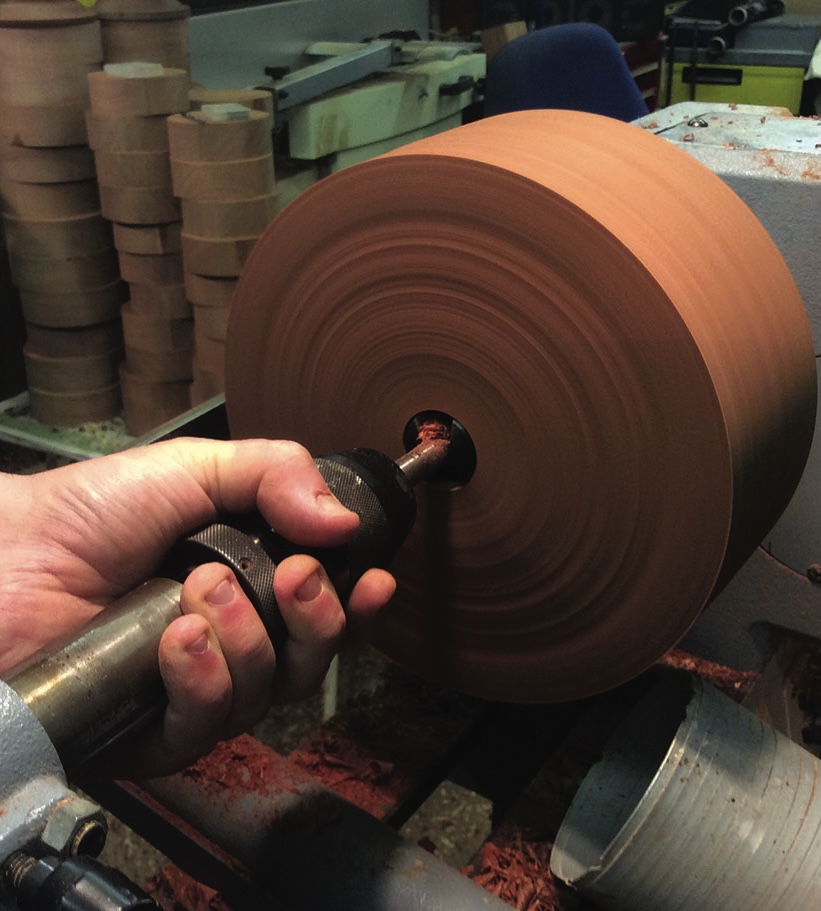
Central column
Top tip
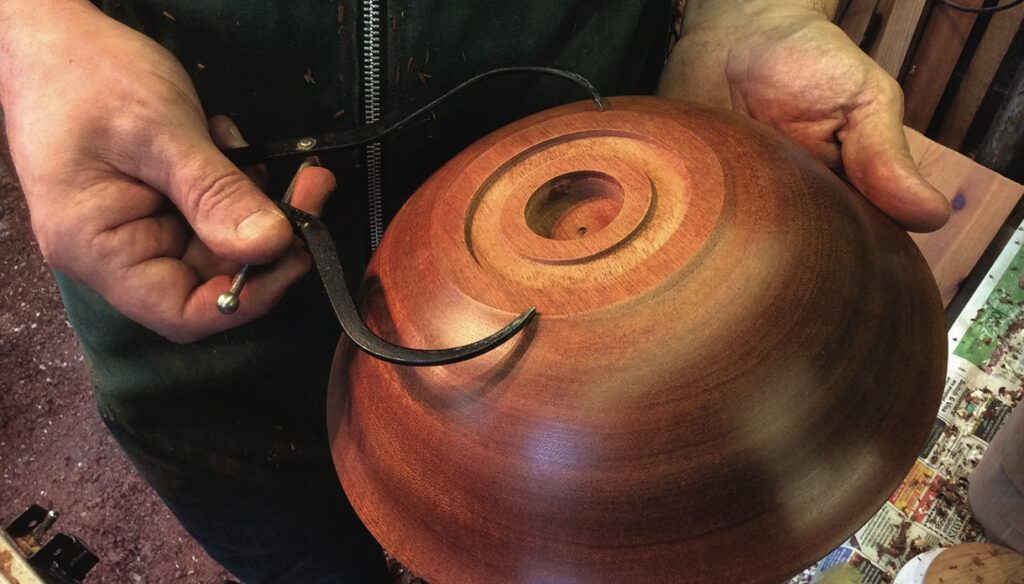
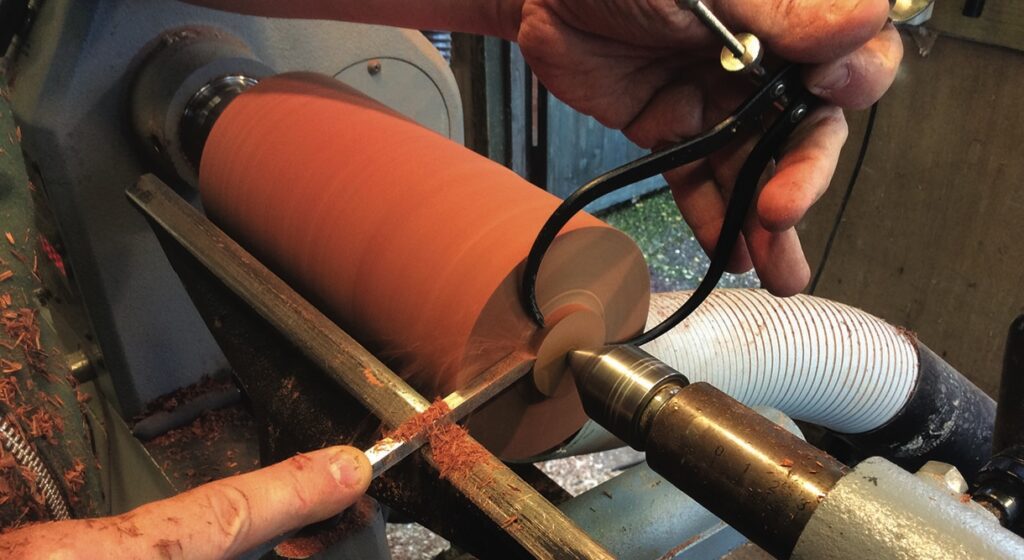
When cutting the tenon to fit your mortice only size the first few millimetres, it’s easy to get carried away and end up with a sloppy tenon. Slightly taper the first 6mm until your callipers fall over the tenon and when happy with the size reset your callipers to this perfect dimension and finish the tenon.