
Mike Wood shows how to create a delightful rock-dwelling bird
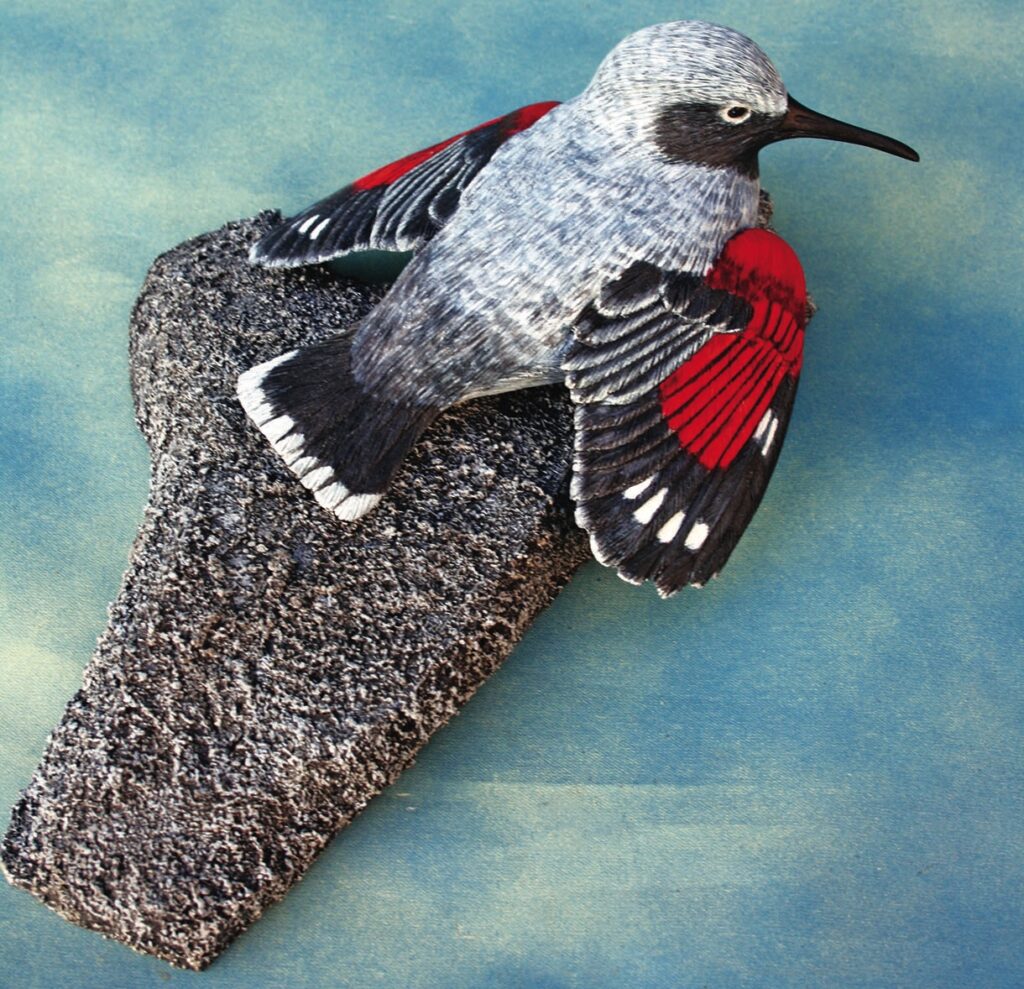
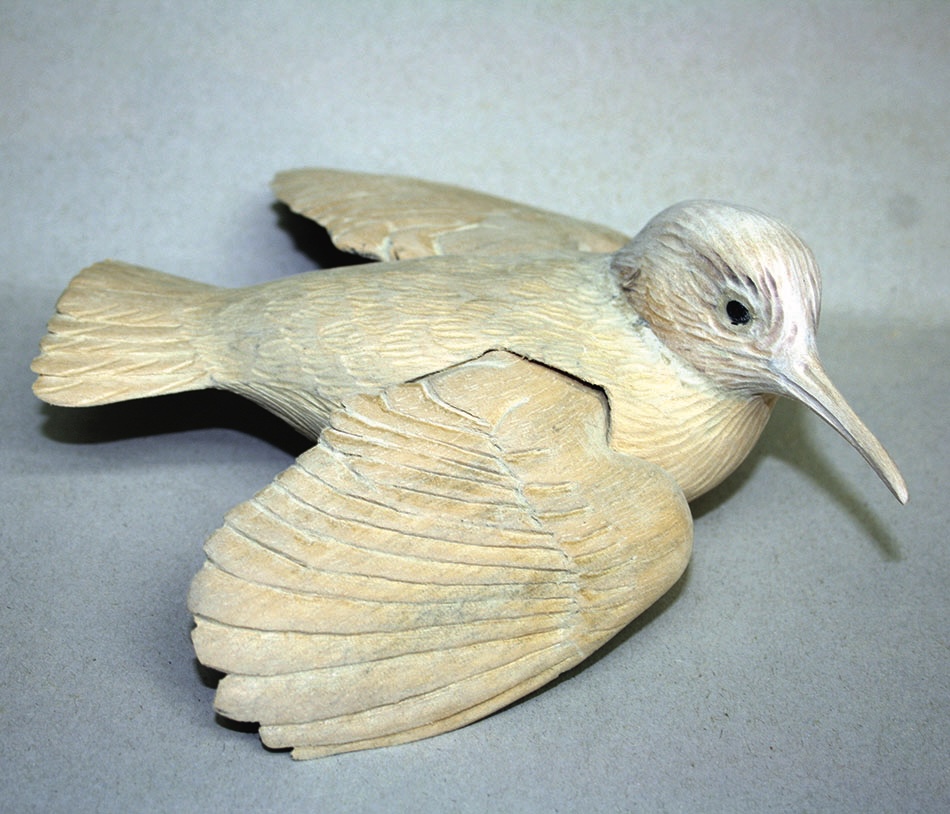
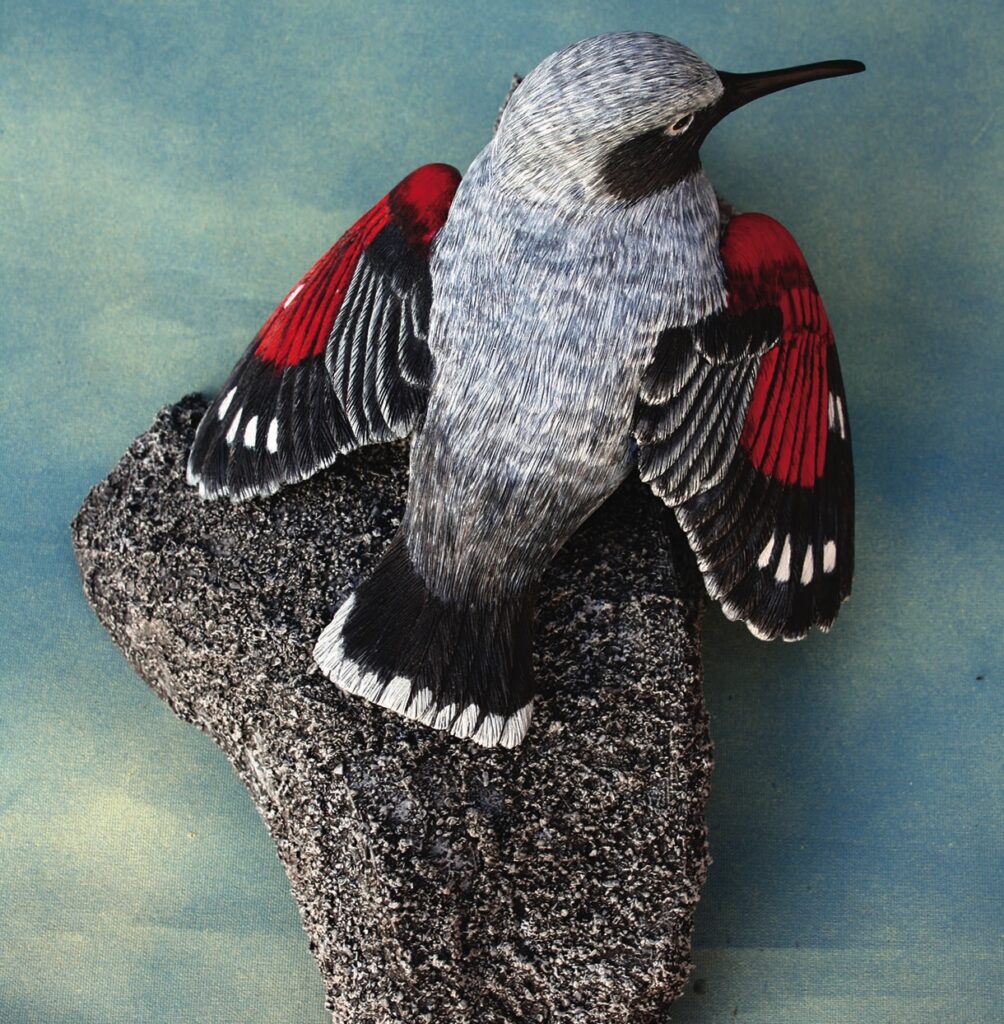
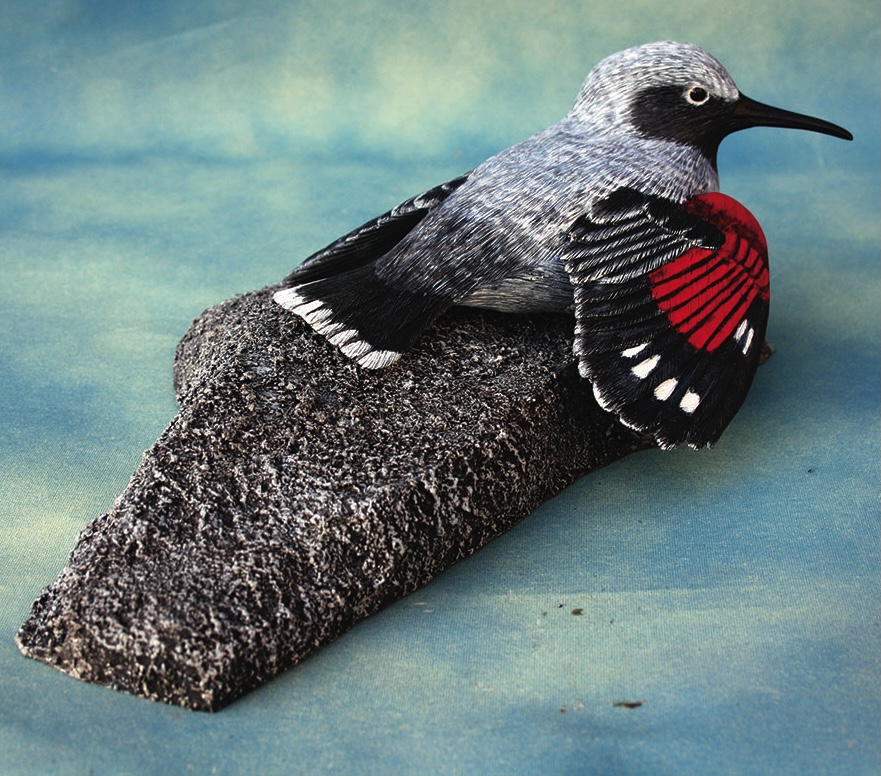
The wallcreeper (Tichodroma muraria) is a small blue-grey bird with striking crimson wing feathers, which are only revealed when it opens its wings. It is found in the mountains of Eurasia, southern Europe, the Himalayas and central China. Its name derives from the Ancient Greek words for wall and runner (teikhos and dromos) and the Latin for wall (murus). As the name suggests, wallcreepers live on the sides of cliffs, hiding their nests from predators in rock crevices. They will also make their homes in man-made walls, having been found living in castles, cathedrals, bridges and tunnels.
They are elusive, shy birds, their plumage often making them hard to see against a cliff face. They lead solitary lives during the winter but form breeding pairs in the spring. The male and female then remain together until their young are ready to fly the nest. Wallcreepers feed on insects and spiders, which they catch by moving across a cliff face in butterfly-like short flights and hops, using their long bills and forked tongues to extract their prey from rock crevices. They also forage along rivers and streams during rainy weather. Global population numbers are stable and the wallcreeper’s conservation status is currently listed as of Least Concern on the IUCN Red List.
Things you will need
Tools:
• Personal and respiratory protective equipment (PPE & RPE)
• Bandsaw, coping saw or fretsaw
• Carving knife
• Rotary power carving unit
• Coarse taper burr
• Medium flame or taper burr
• Bull-nose stone burr
• Round-nose burr
• Fine ruby taper burr
• Drill and drill bit for the feet
• Sanding drum
• Pyrography unit with scalpel nib
Materials:
• Wood used. Body and wings jelutong (Dyera costulata), head is lime (Tilia x europaea)
• Body: 150mm long , 60mm wide, 20mm deep
• Wings: 100mm long, 70mm wide, 20mm deep
• Head: 90mm long, 30mm wide, 3omm deep
• Eyes & feet
• PVA adhesive
• Plastic wood
• Paint brushes/airbrush
• Abrasives 120-240 grit
• Acrylic colours as per the colour palette
Drawing
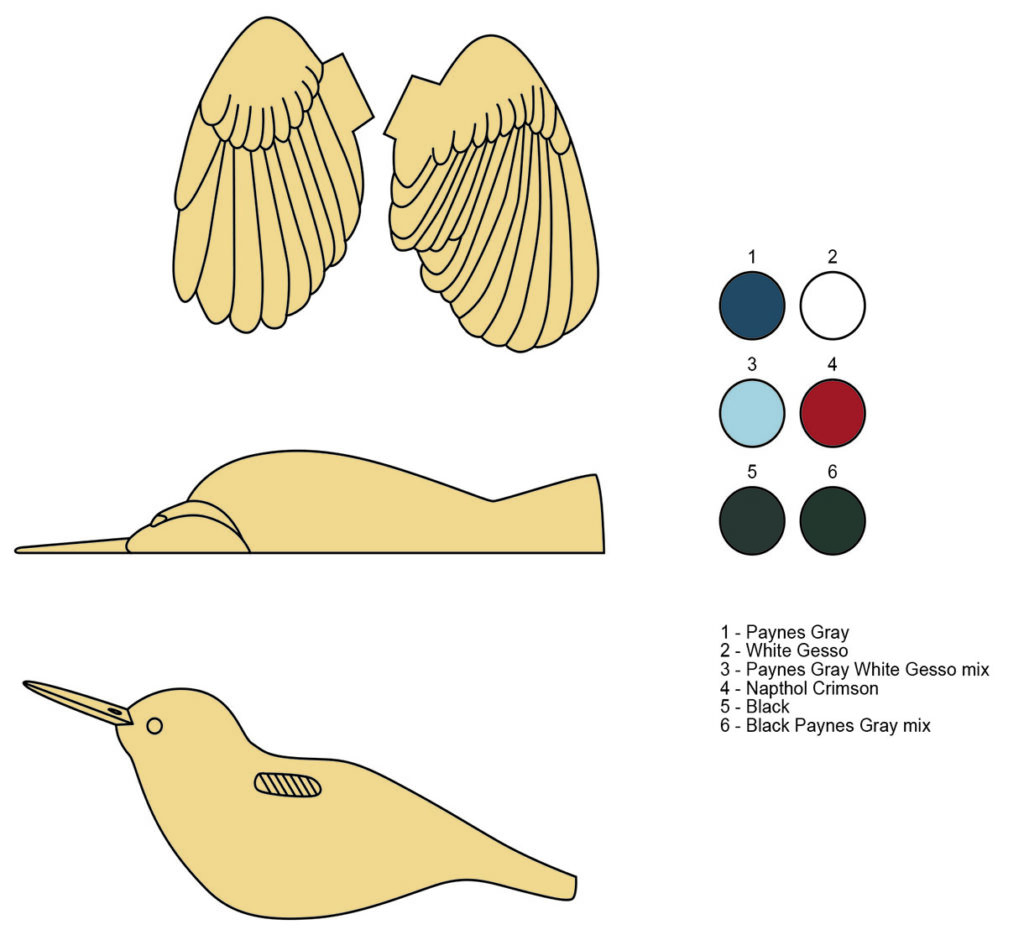
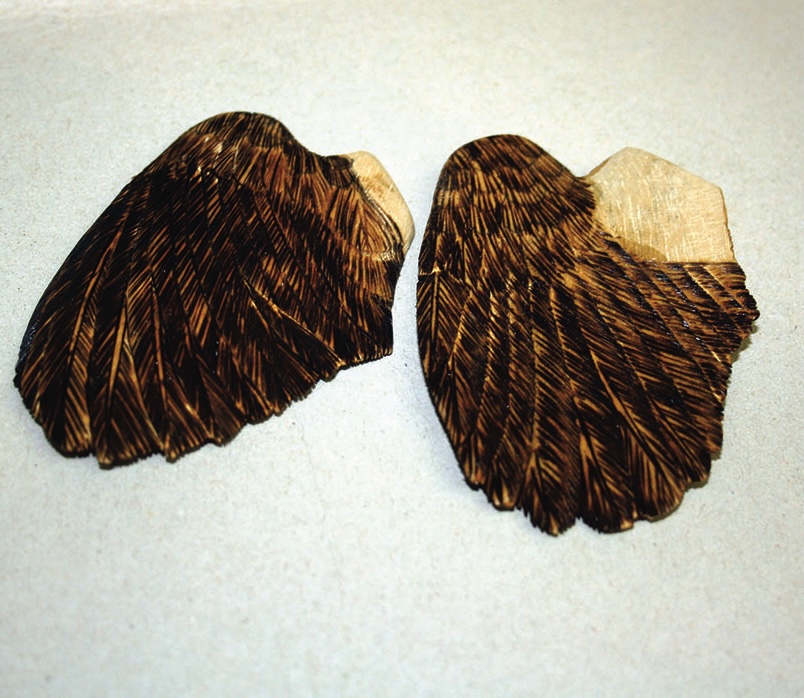
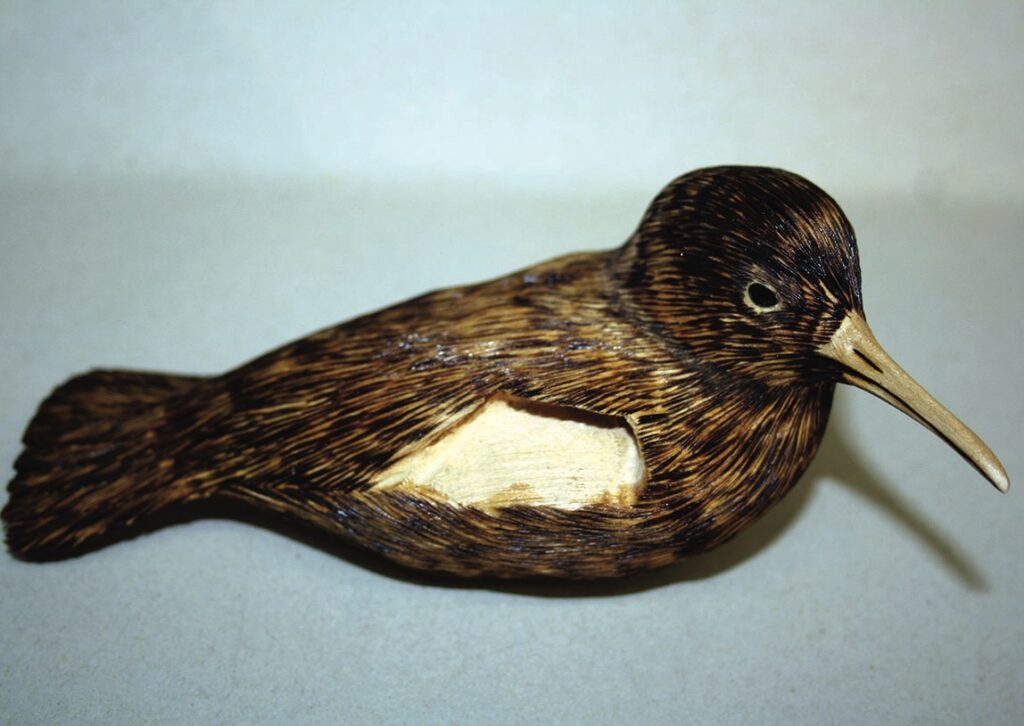
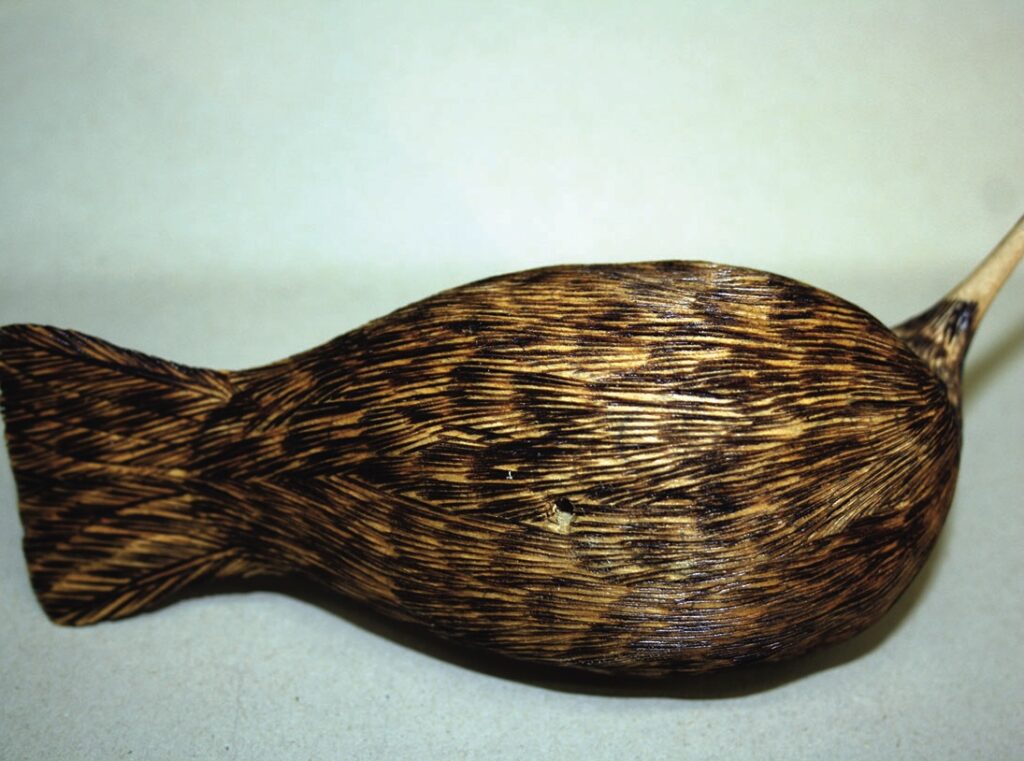
Body and wings
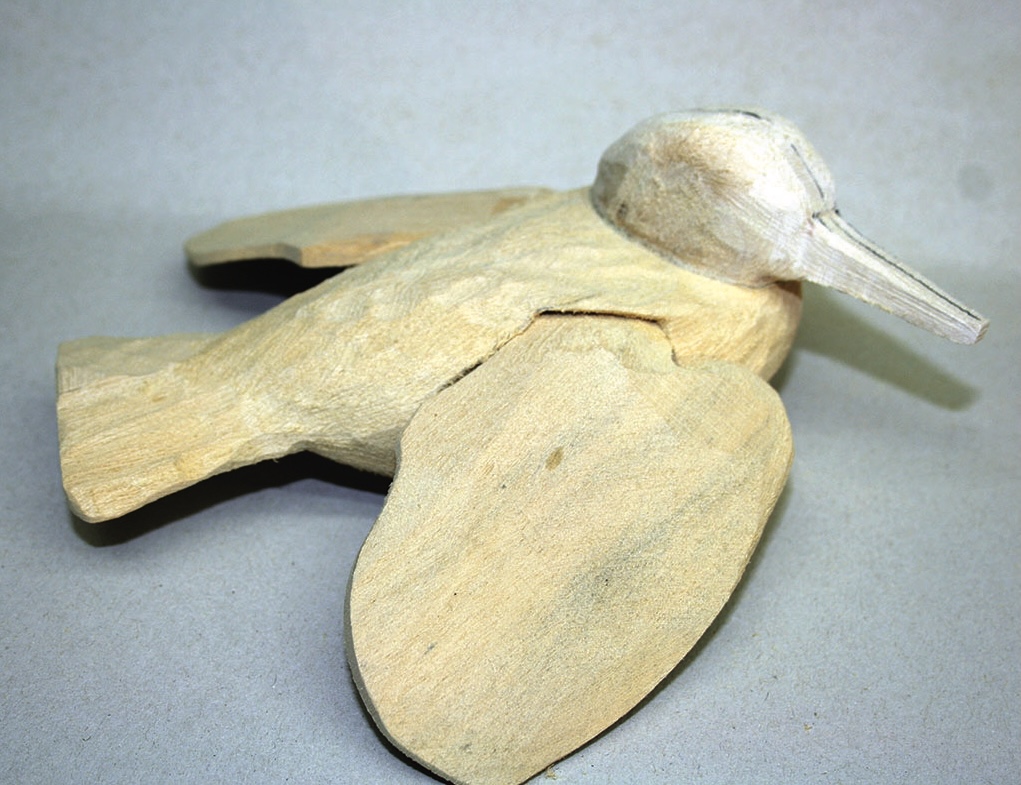
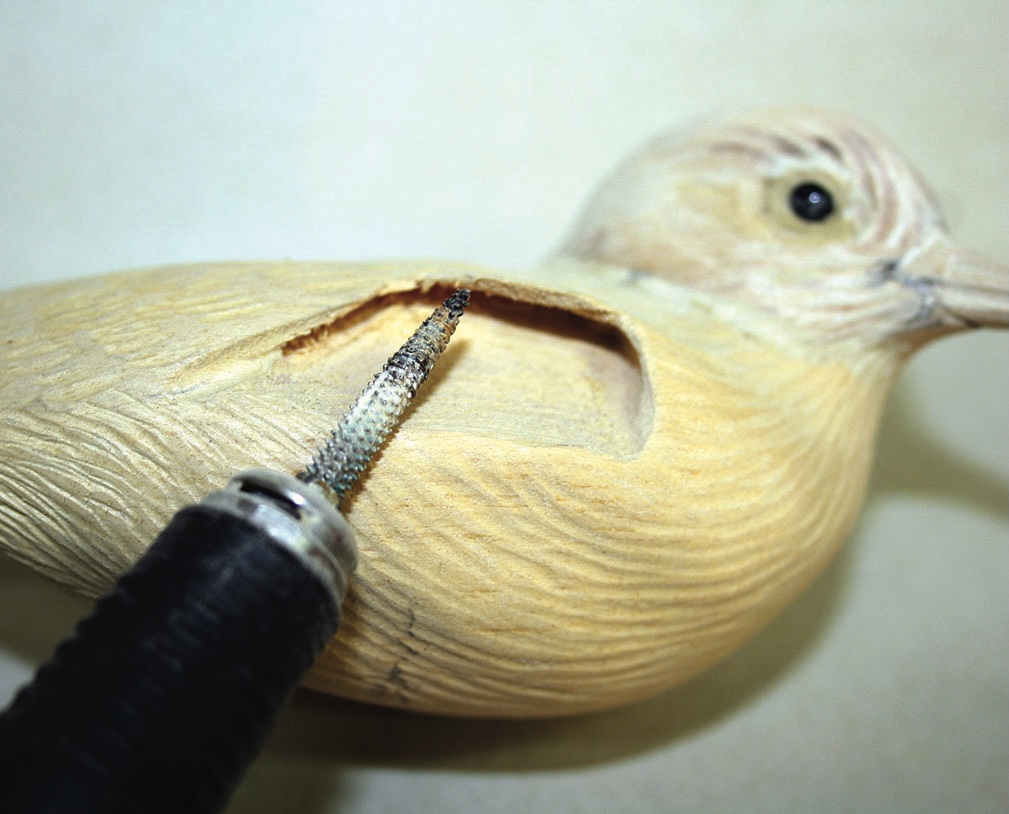
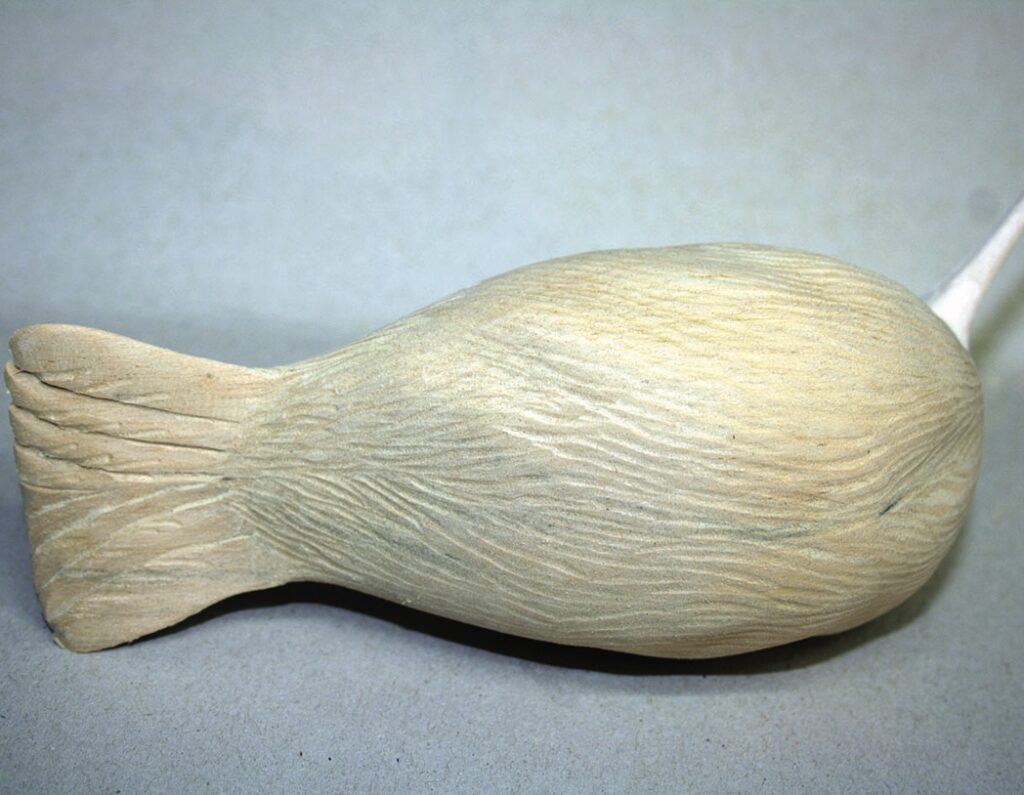
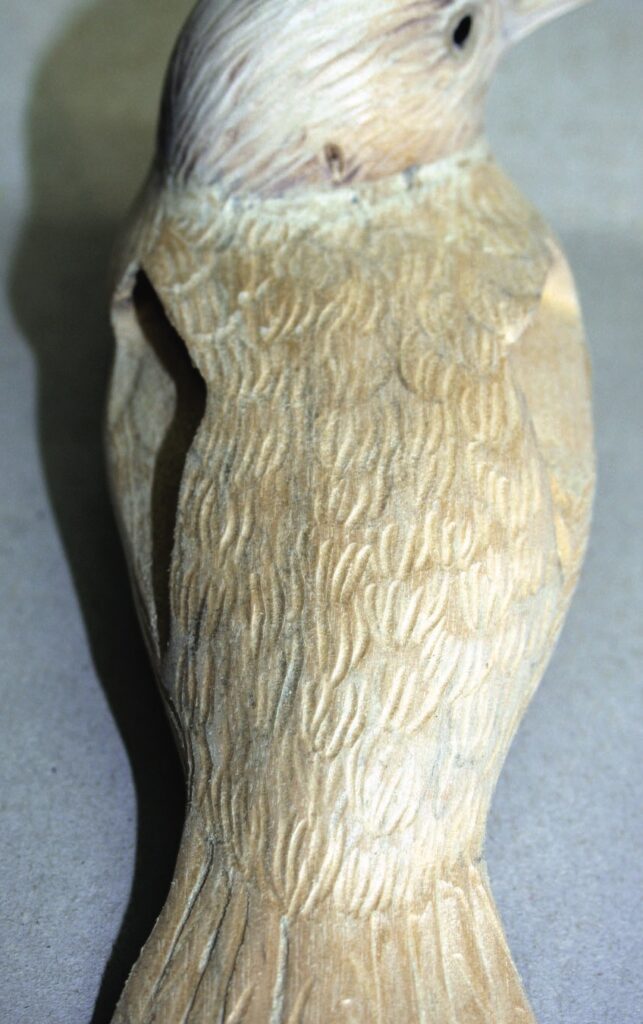
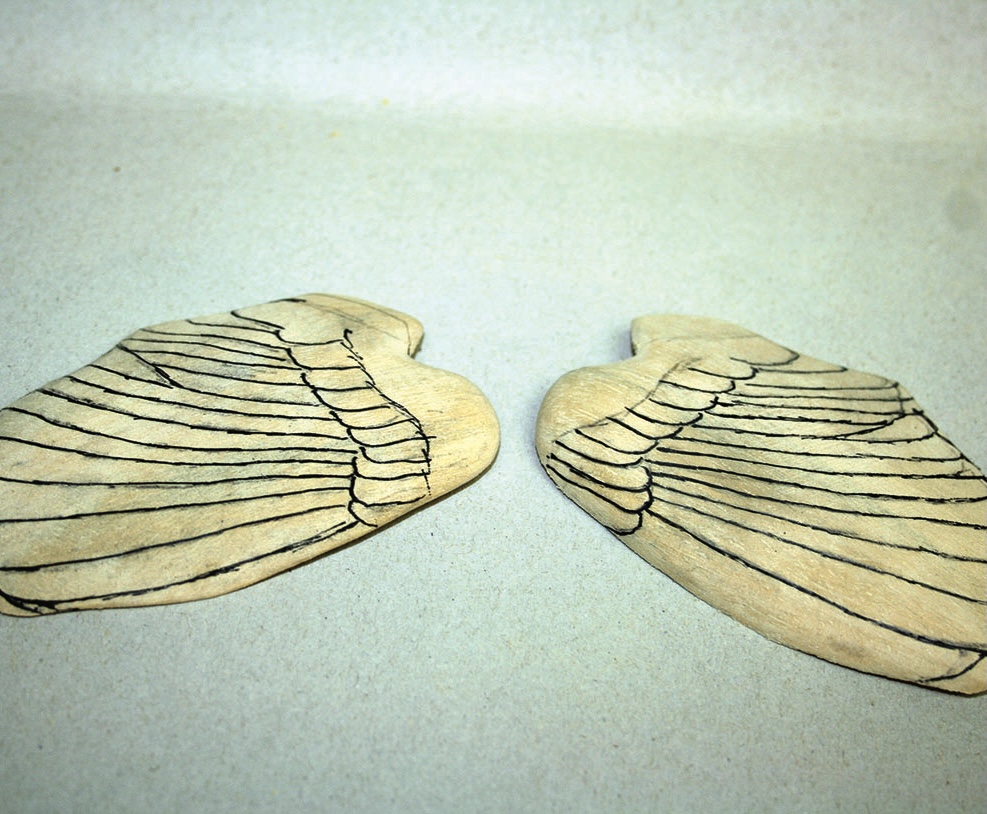
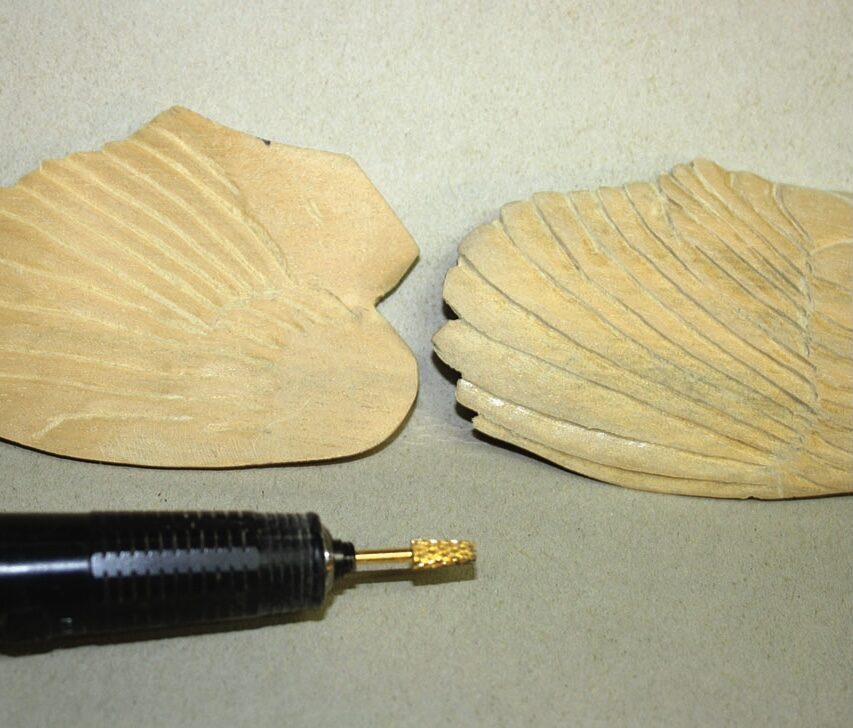
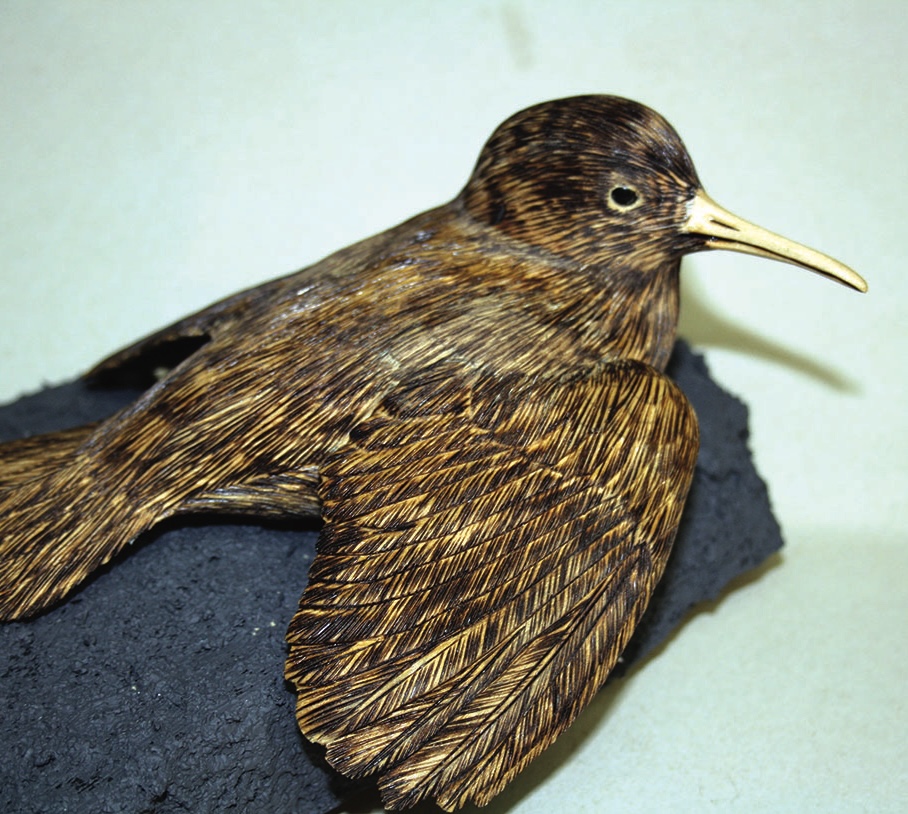
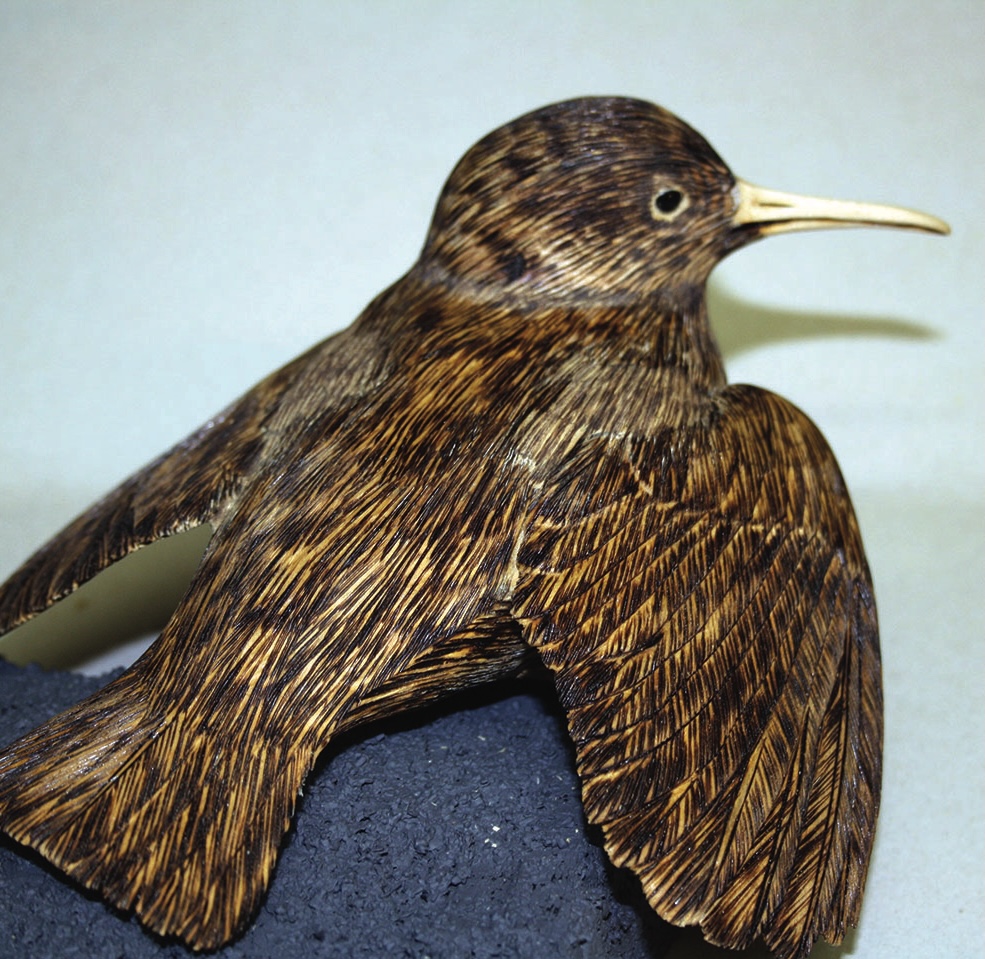
Applying colour
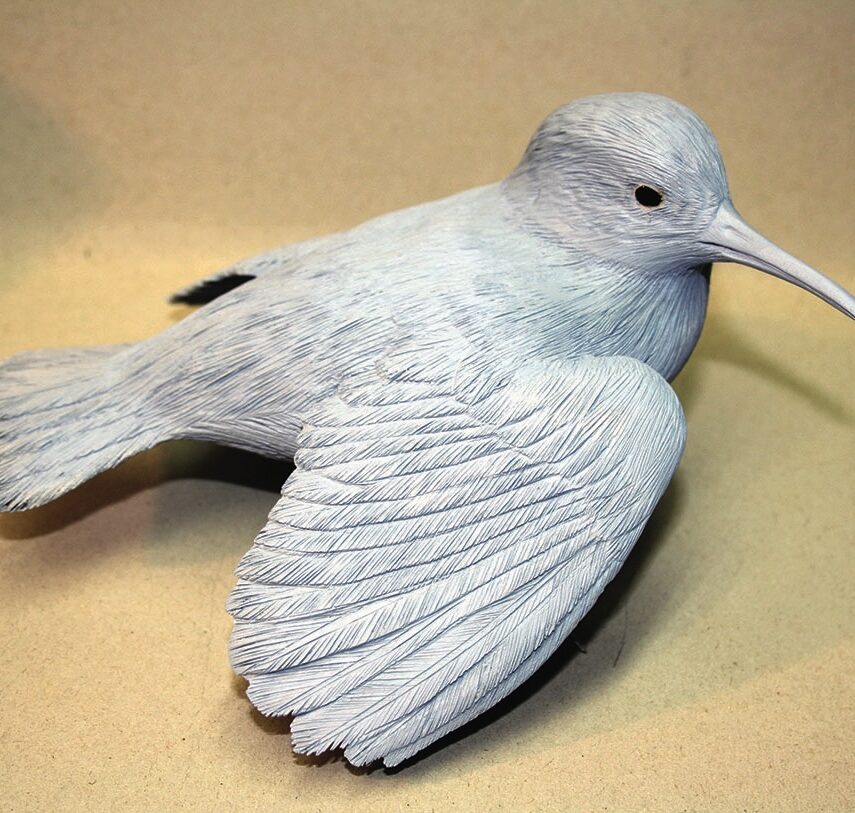
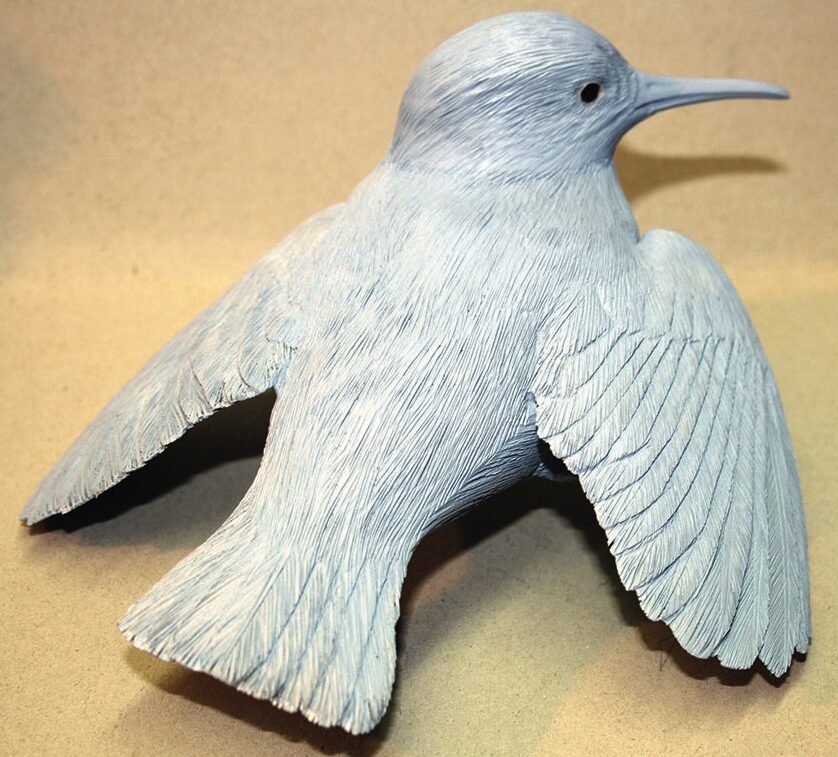
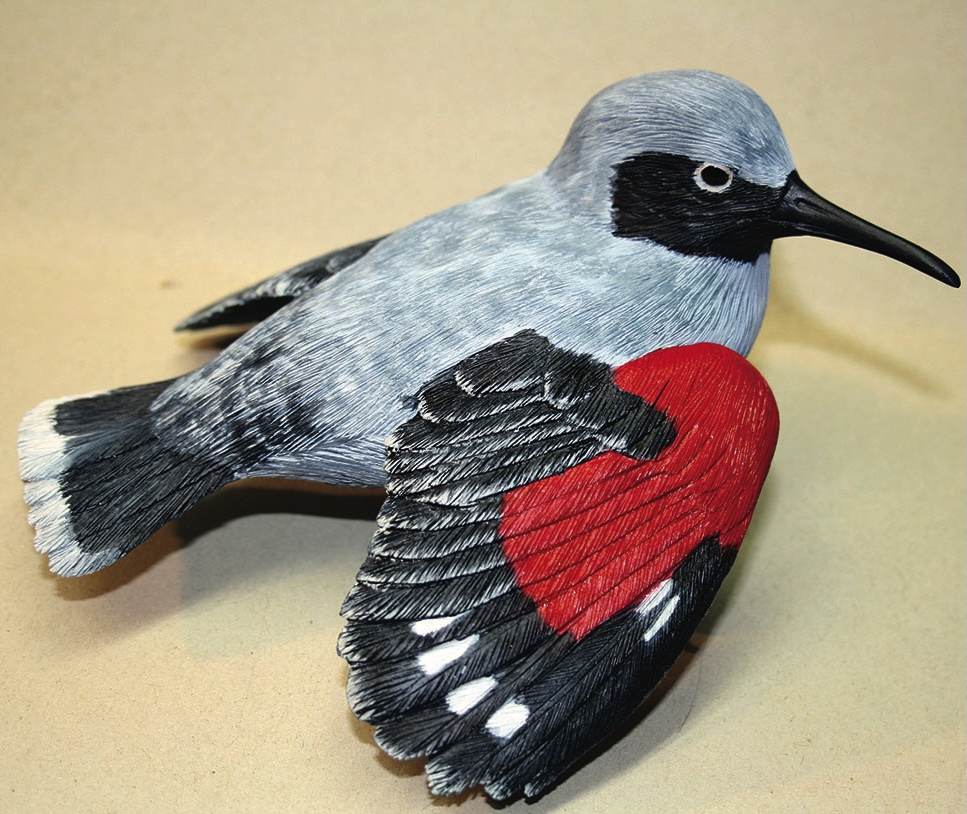
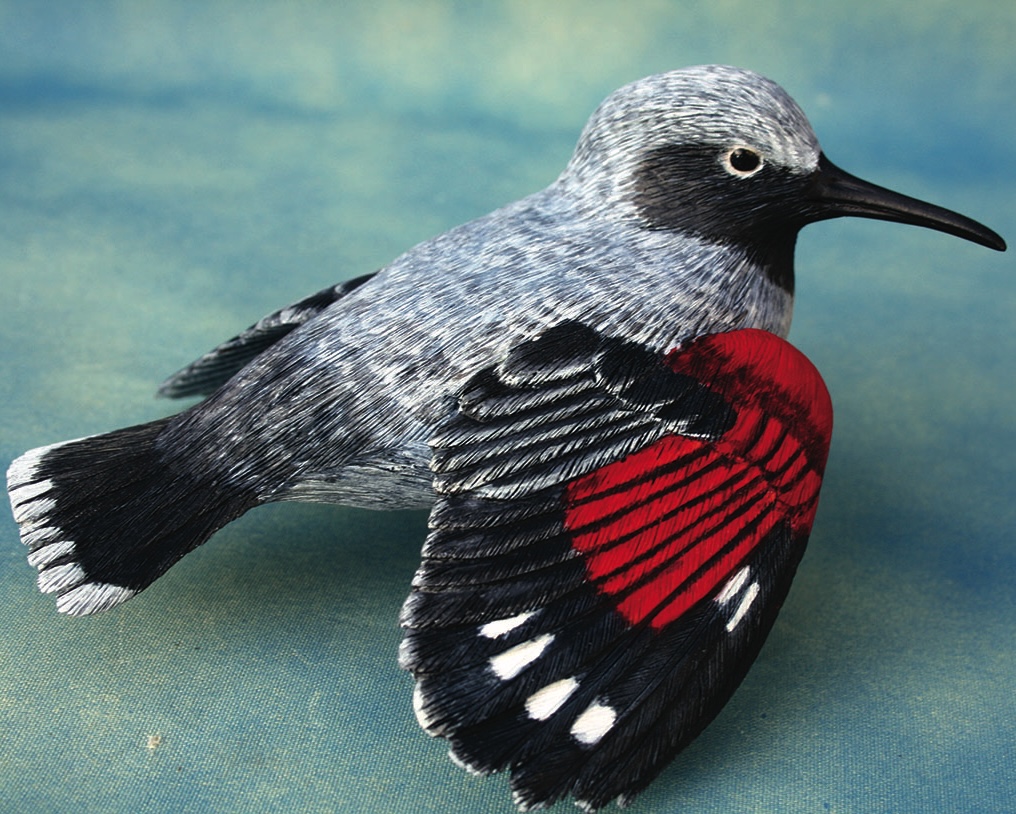
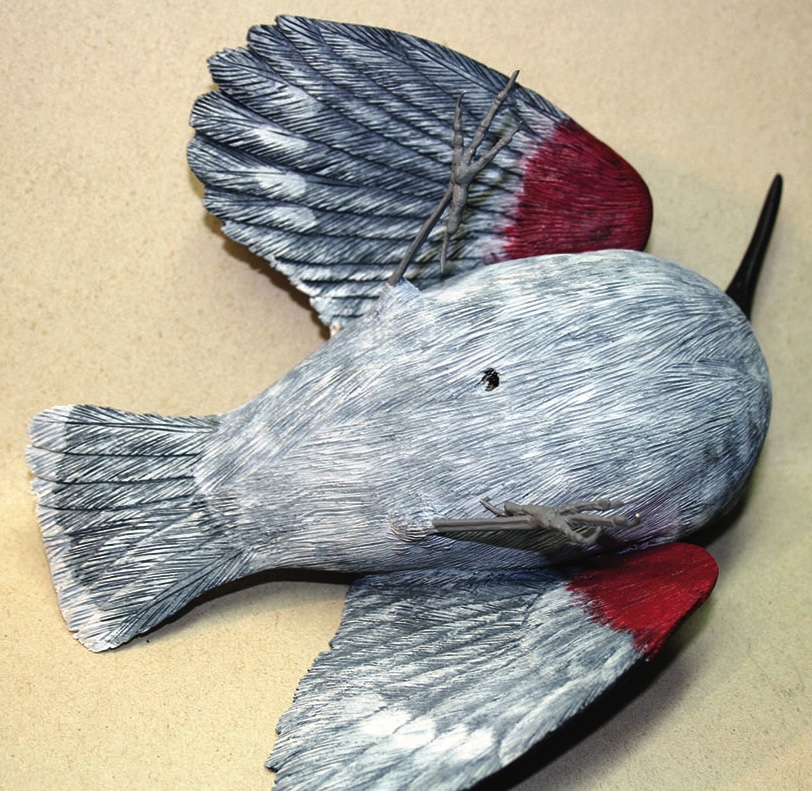
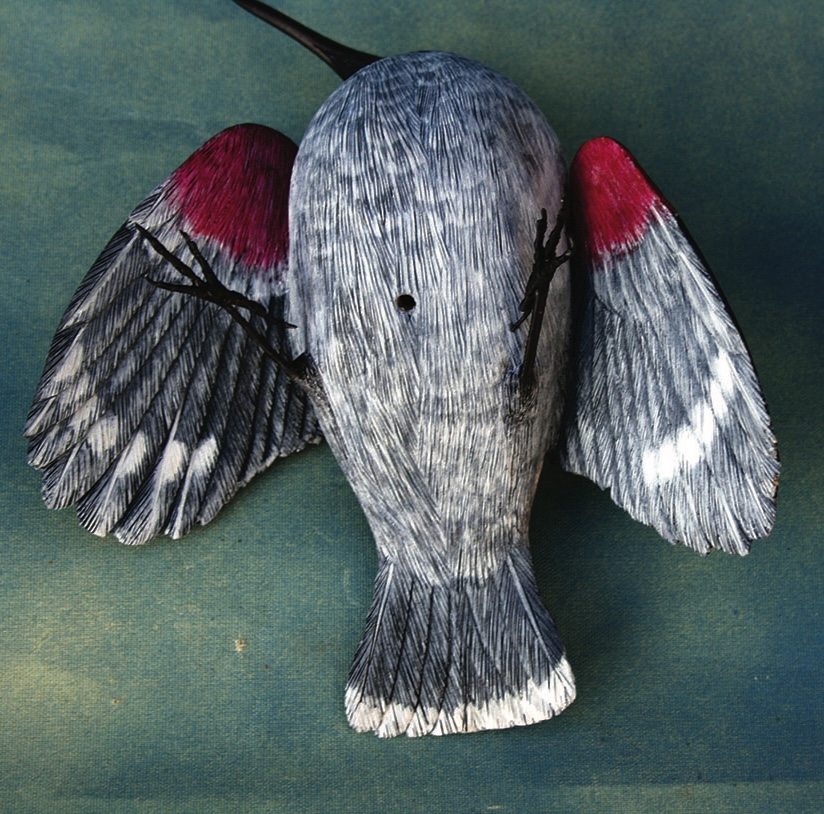
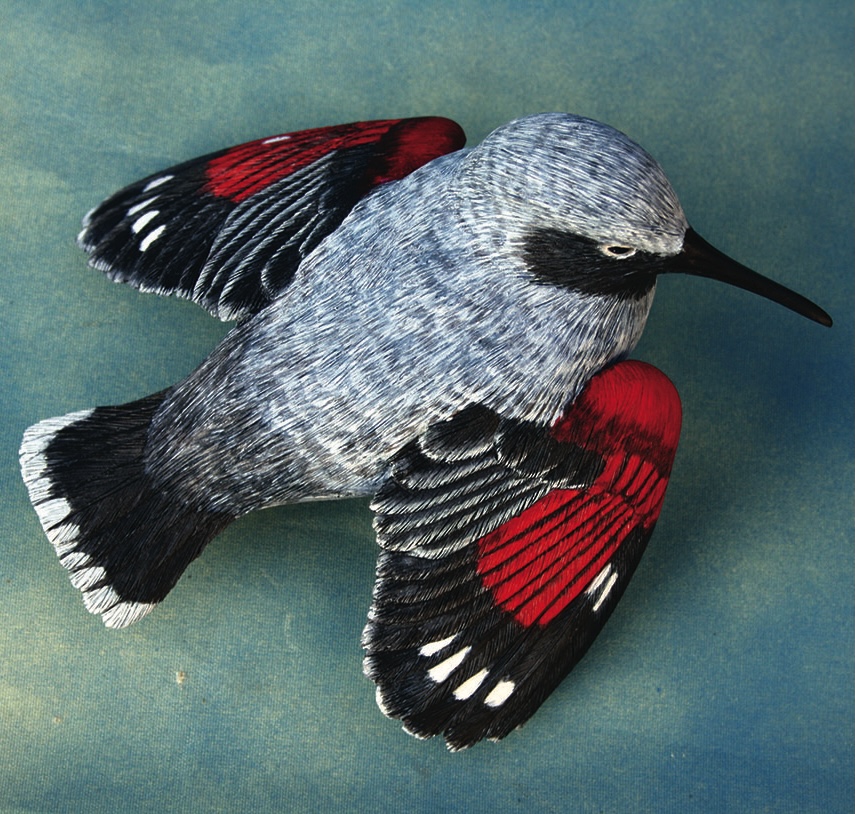
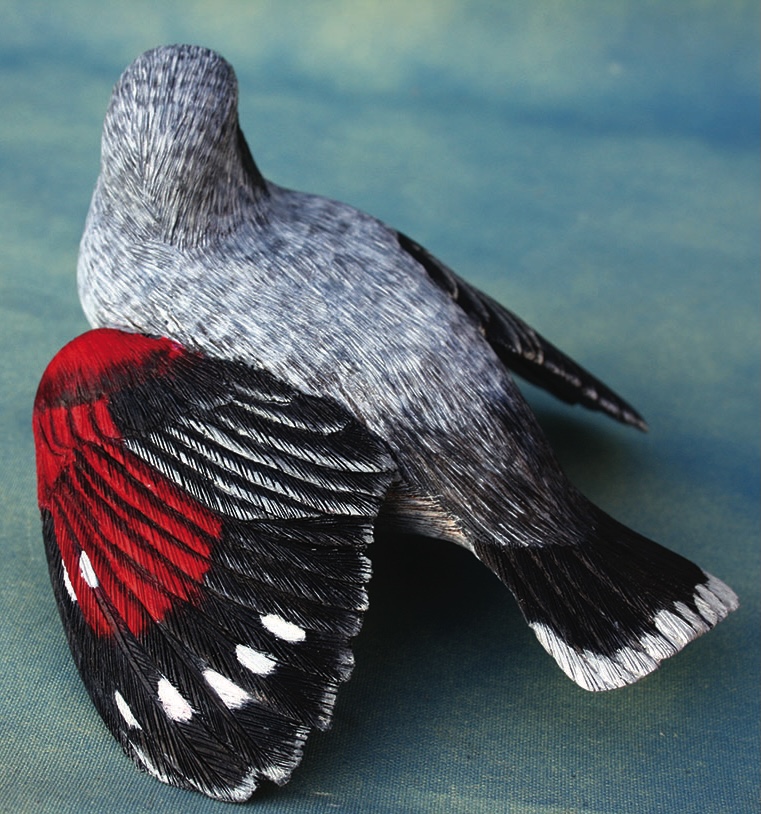
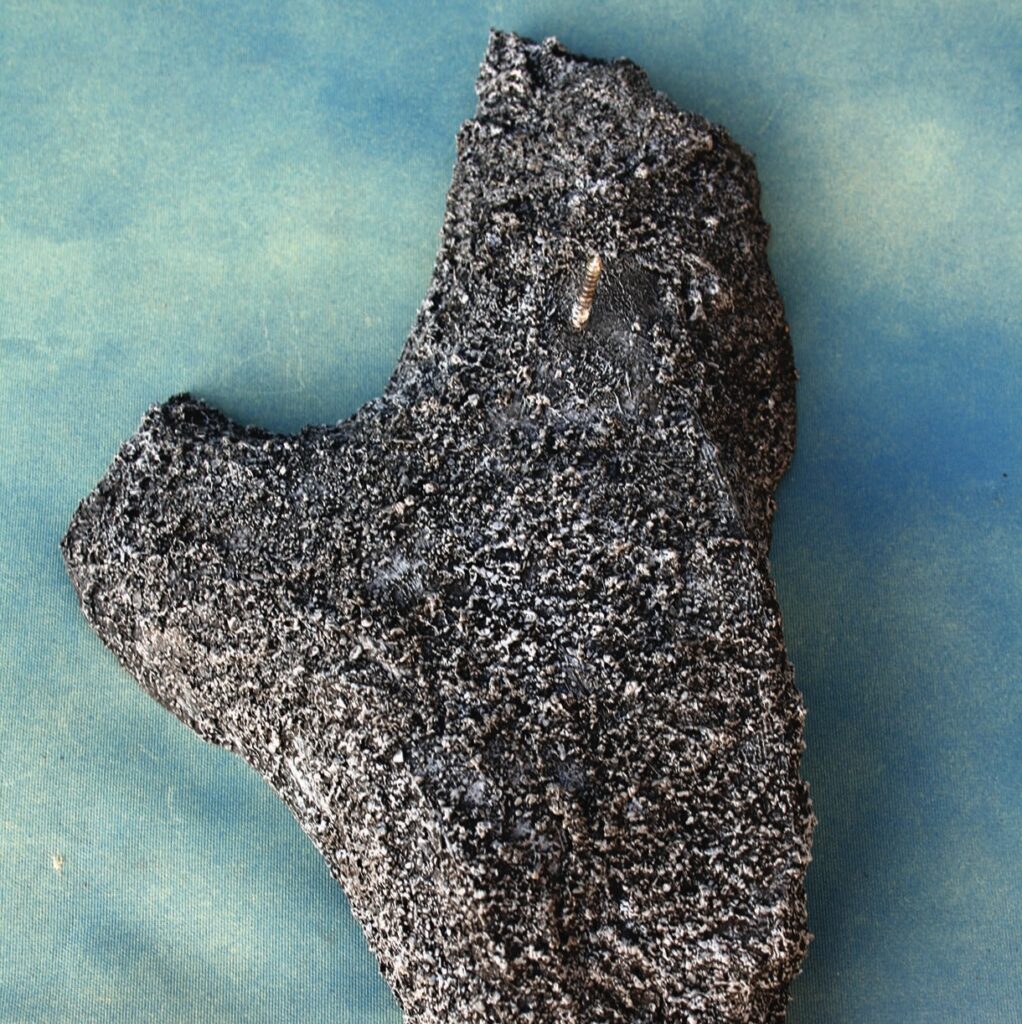
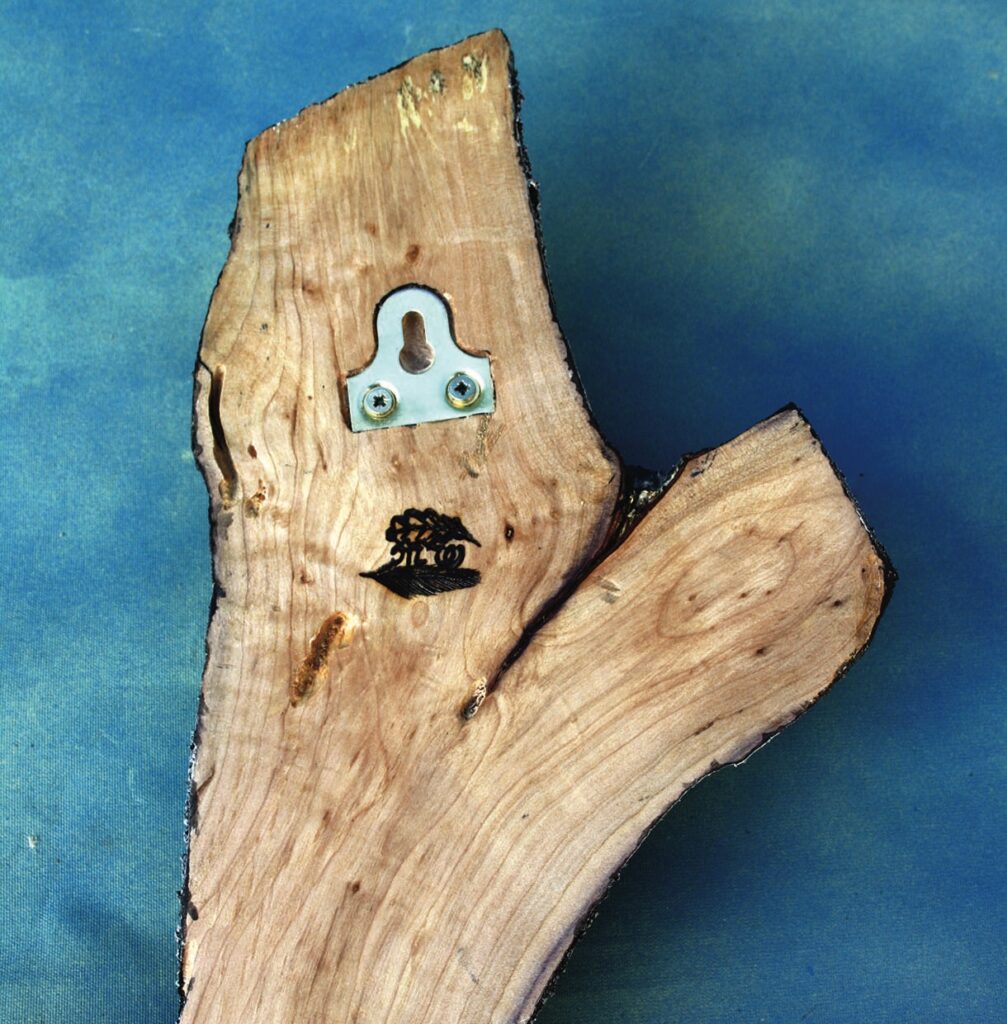
The base section
One Response
This is a treasure and you are gifted.