
Mark Baker introduces the ever-popular method of rotary power carving, with tips on choosing tools and getting the most out of them
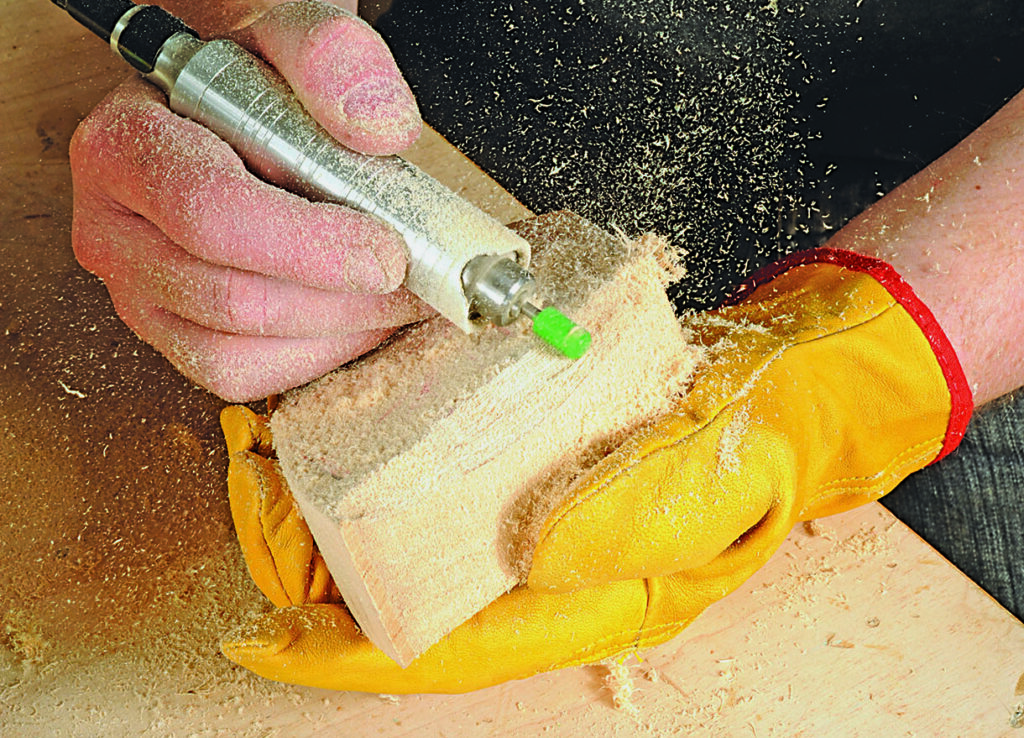
Rotary power carving is one aspect of carving that is rapidly increasing in popularity. It seems the bird carving fraternity took to it and since then it has been taken up by many other carvers working in many other forms. Let’s face it, this working method is not just used by carvers; there are jewellers, metal workers, engineers, model makers, stoneworkers and more who enjoy and capitalise on the benefits of rotary carving techniques.
With the correct cutters and blades, power carving can be used to quickly give shape to a piece or – with a change of cutter or blade – be capable of the most delicate detailing. I am not saying that it is a cure-all approach to carving, but it is a route with considerable merit for exploration.
There are scores of products in this section of the market to suit all the various materials, shaping methods, detailing and finishing required and all to various budgets. Obtaining the items you need is quite an easy process, but making the right choices can be somewhat intimidating when you first start.
In future issues I will look at specialised units like percussive carving tools, micro motors and angle-grinder power carving items, but in this article I am going to focus on the two types of rotary carving unit: suspended items with flexible shafts and smaller hand-held units often seen in DIY and specialist stores.
I hope that this is an easy guide that will point you in the right direction with some top tips and pointers on tool choice, usage, safety and other bits and pieces that will help you on your rotary power carving journey.
- Carving units
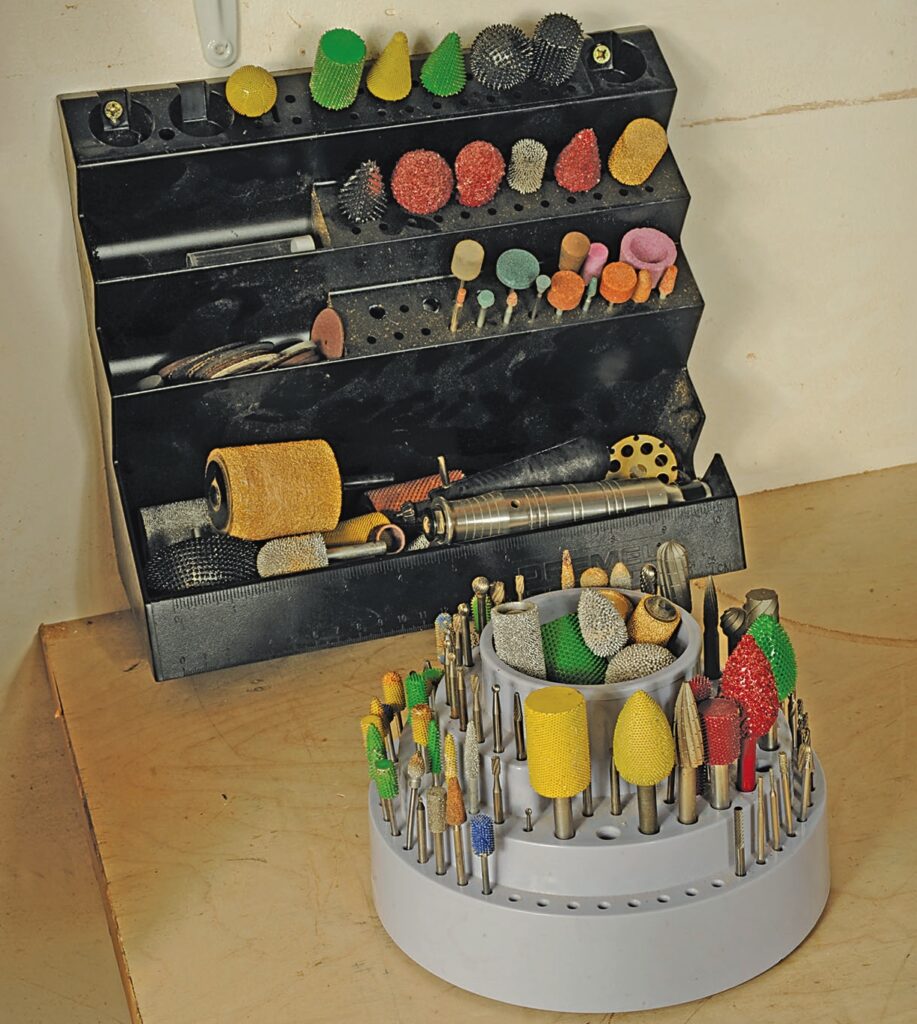
- Cutters and accessories
- Diamond and ruby cutters
- Carbide tooth cutters
- Structured-tooth carbide cutters
- Milled carbide and HSS cutters
- Various sanding accessories
- Man-made materials
- Spiral cutters for drilling and side cutting
- Polishing, sanding and accessories
- Specialist cutters
- Cutting discs
- Personal protective equipment
- Securing your work
- Securing your bits and cutters
- Gloves and holding by hand
- Top tip 1
- Top tip 2
- Top tip 3
- Top Tip 4
- Suppliers
Carving units
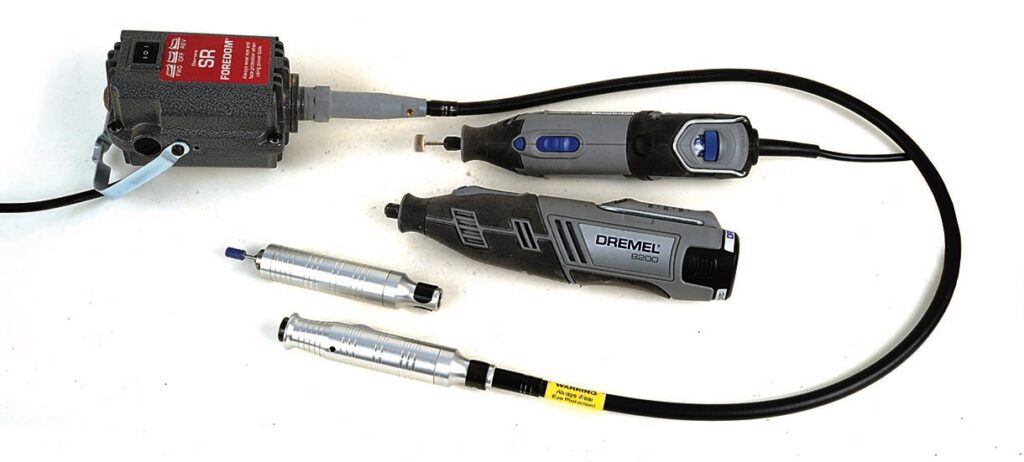
Rotary carving units come in many shapes and sizes. Effectively they are nothing more than a unit that houses a motor, which in turn causes a spindle to rotate. Attached to this is a clamping device that allows the secure holding of cutters and the user to hold and manipulate the device safely and easily. Most units now have variable speed, which is very important for control and the ability to use different cutter types and materials effectively.
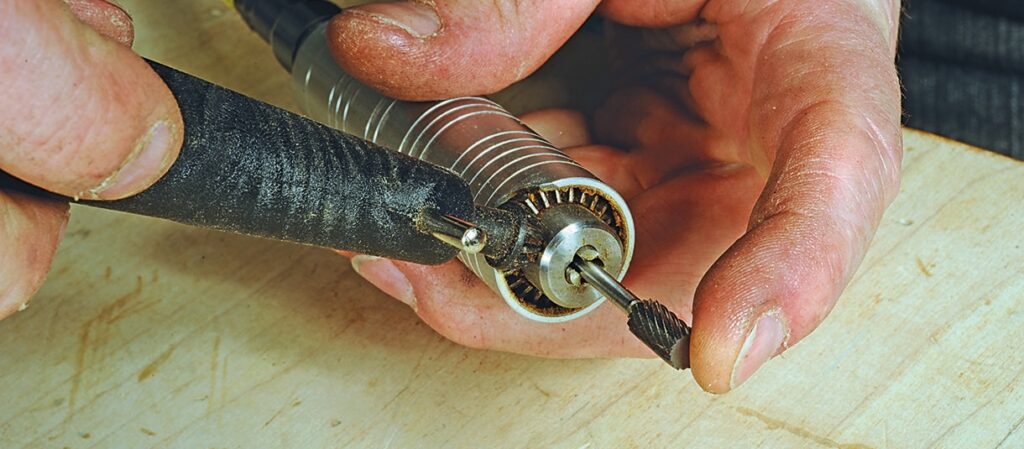
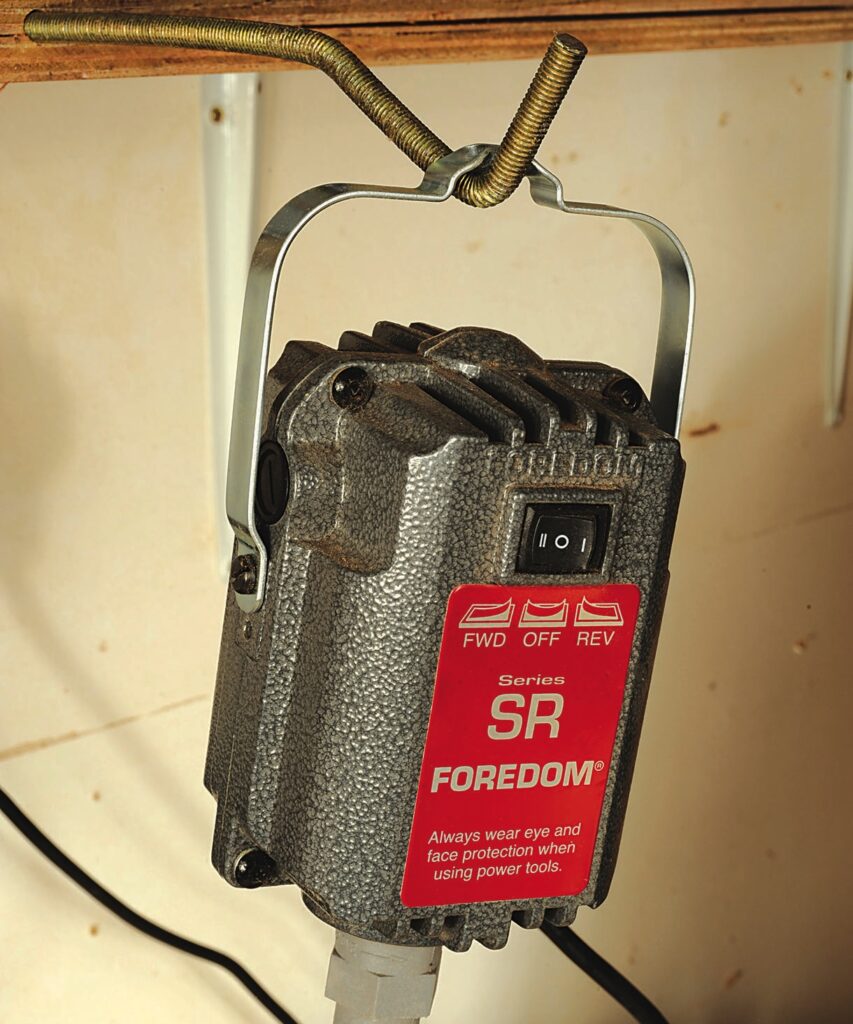
Depending on the type of unit, you can have the motor and holding device integral to each other and fit various cutter types into them. If required, a handpiece to accept cutters can be fitted onto a flexible drive. Handpieces come in various shapes and sizes and can employ different cutter locking methods. Typically, these include a Jacobs-type fitting, which is tightened using a toothed key, a collet system which uses collets of various internal dimensions to suit the various shank sizes available and is spanner operated to open and close. More recently there are keyless chuck units which have a twist-lock mechanism – although these are more commonly found on the smaller units like the micro-motors. These keyless units require the motor unit to be hung up near the user to facilitate the easy use and manipulation of the handpiece.
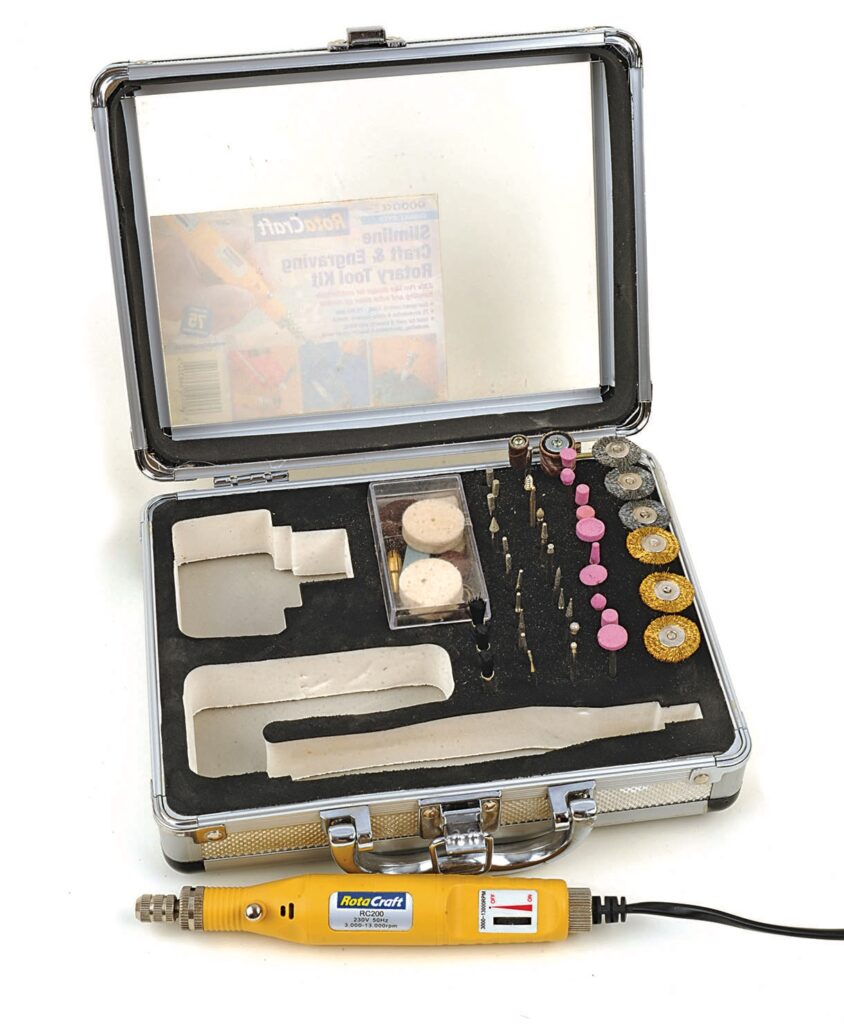
Other units have larger, more powerful motors which need to be hung up near the user. These have flexible drive shafts fitted onto them with interchangeable handpieces attached to accept cutters. Many units can be bought with accessory kits as part of a package, but these kits are generally a mix of cutters and bits and pieces that are more suited to use around the house than carving.
Most units available now have variable speed options which allow you to change the speed to suit the material being worked on and the cutter size and type used.
Cutters and accessories
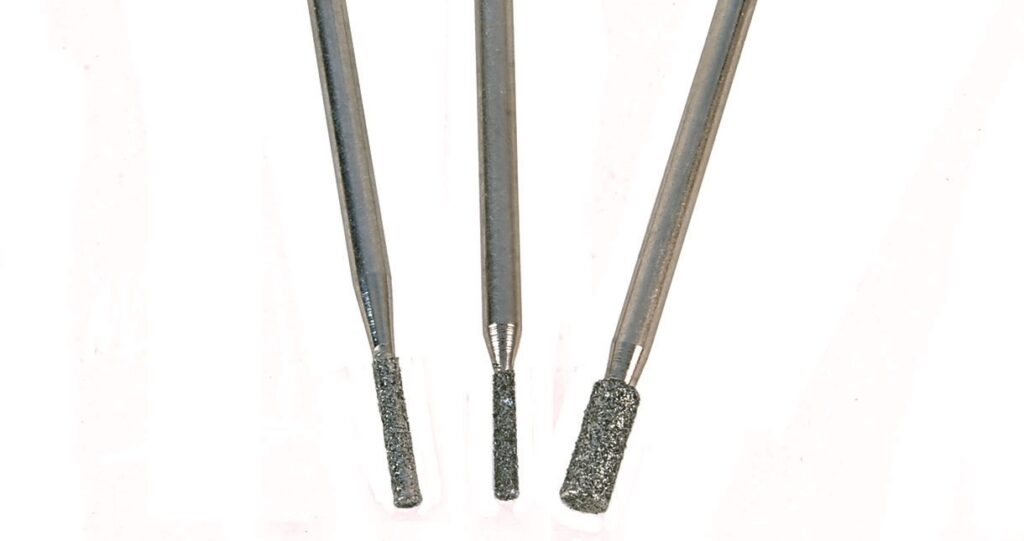
It is all very well and good having a rotary unit, but it is no use whatsoever without some cutters – also called bits and burrs – that will allow you to shape and refine work quickly and cleanly. Here are some of the options available and what they can be used for. There are myriad types with different shaft and head sizes so try and pick the right cutter for the job at hand. Do not overload the cutters and motor with heavy pressure. This should not be an issue if you have selected the right cutter size, shape, speed and grit grade.
The trick is to match the cutter shape, size and coarseness of grit grade to match the work and material you intend to do. Most cutters and burrs come in one section but the cutting, sanding, and polishing discs can come as part of an interchangeable system with a shaft onto which various heads are fitted.
Whatever type of cutter, burr or bit you use, follow the manufacturer’s guidelines for correct working speed ranges for each type selected.
Here is a very quick breakdown of the common types.
Diamond and ruby cutters
Carbide tooth cutters
Structured-tooth carbide cutters
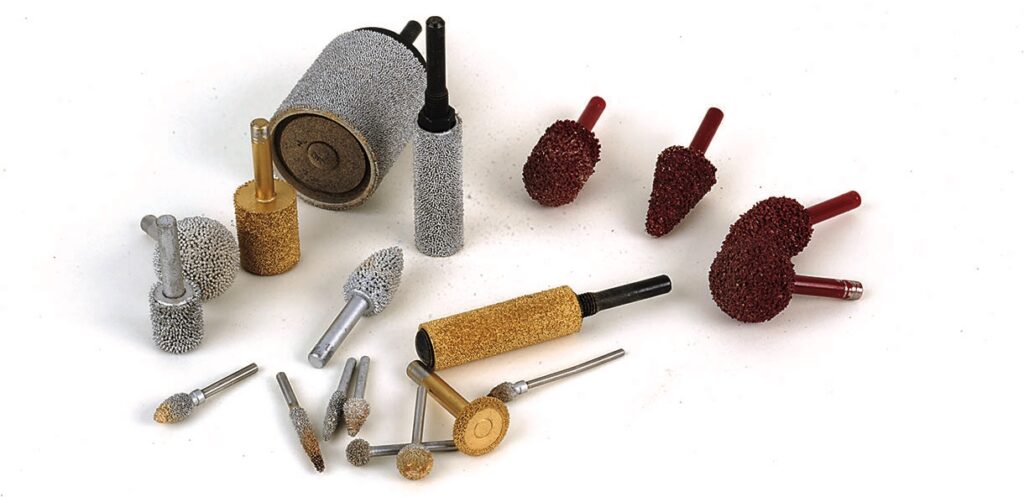
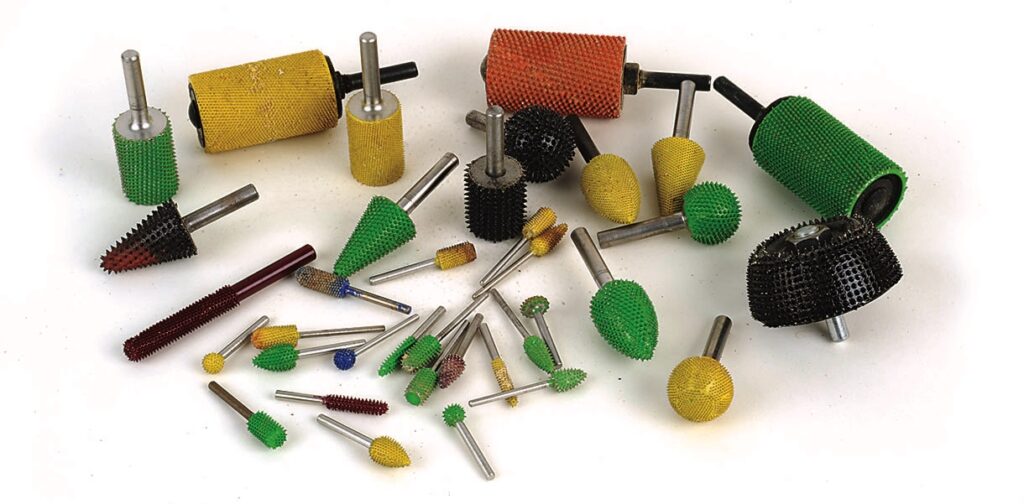
Available in coarse, medium or fine grades, they can be used on wood, man-made wood boards, plastic, acrylic, polymer and – check with the manufacturers first – some soft stones too. They have randomly arranged teeth and are ideal for the initial shaping of a project
Milled carbide and HSS cutters
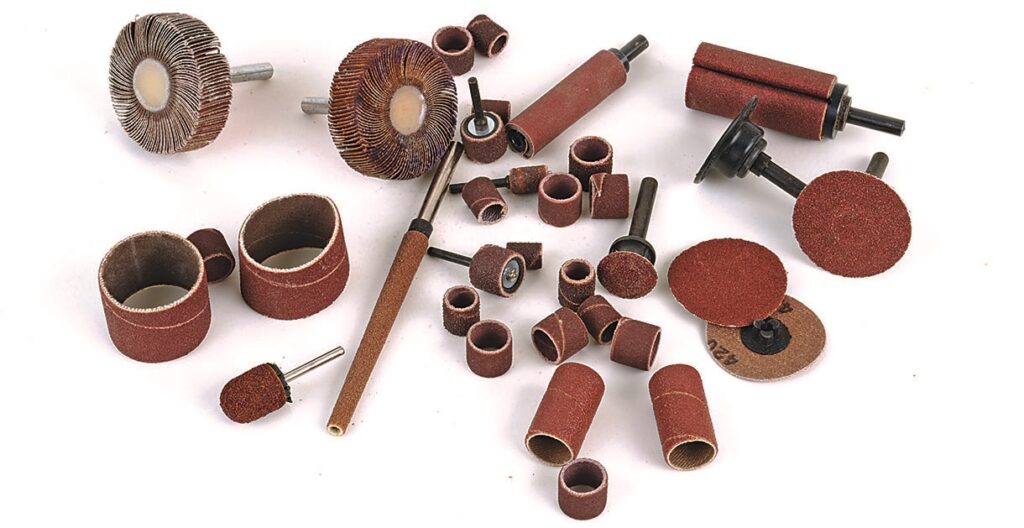
Various sanding accessories
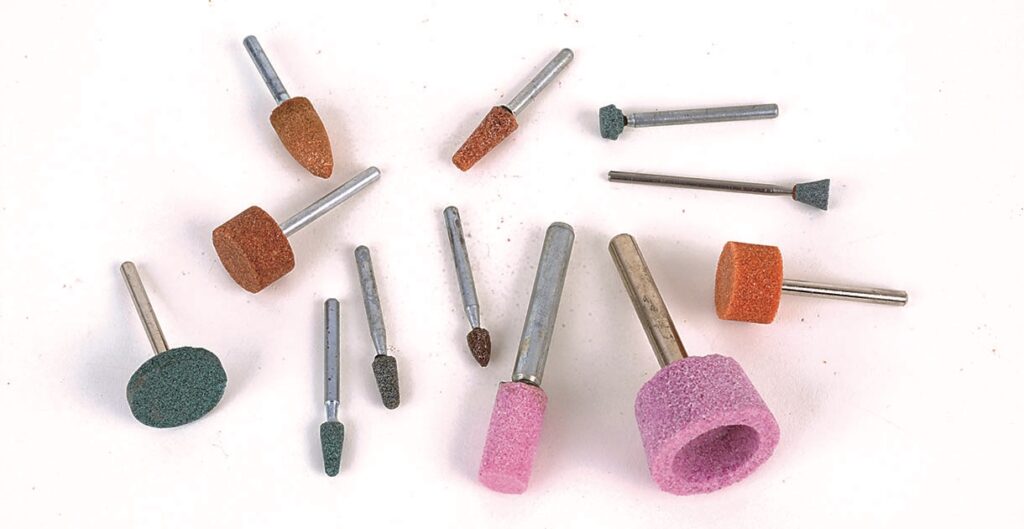
Man-made materials
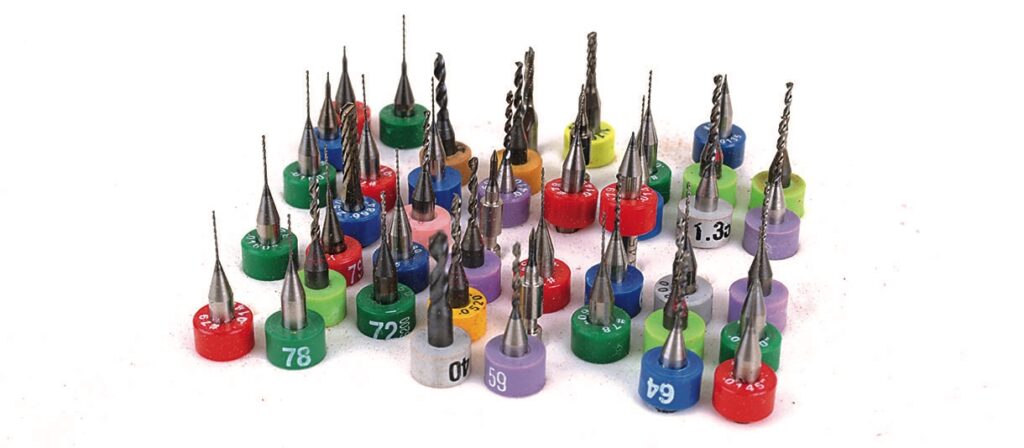
Spiral cutters for drilling and side cutting
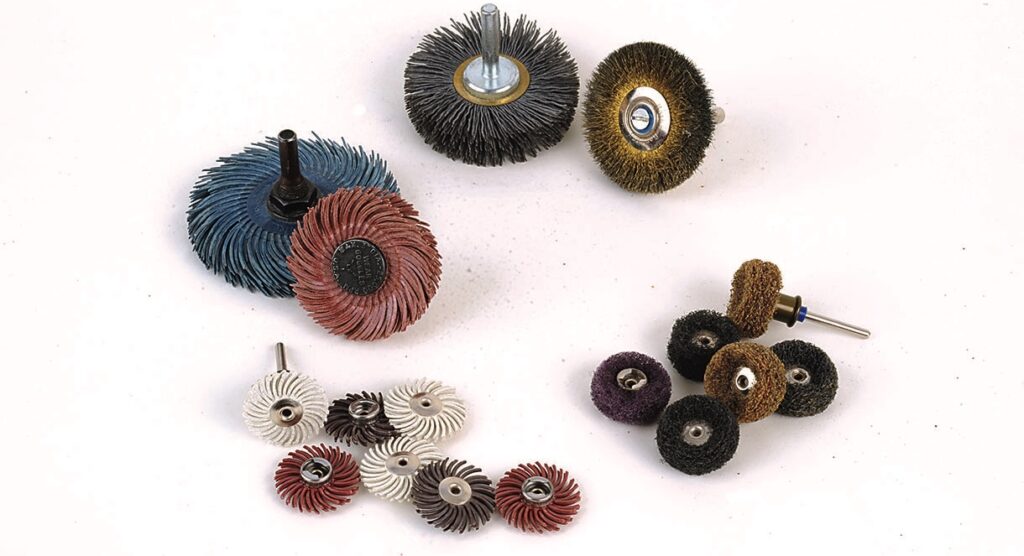
Polishing, sanding and accessories
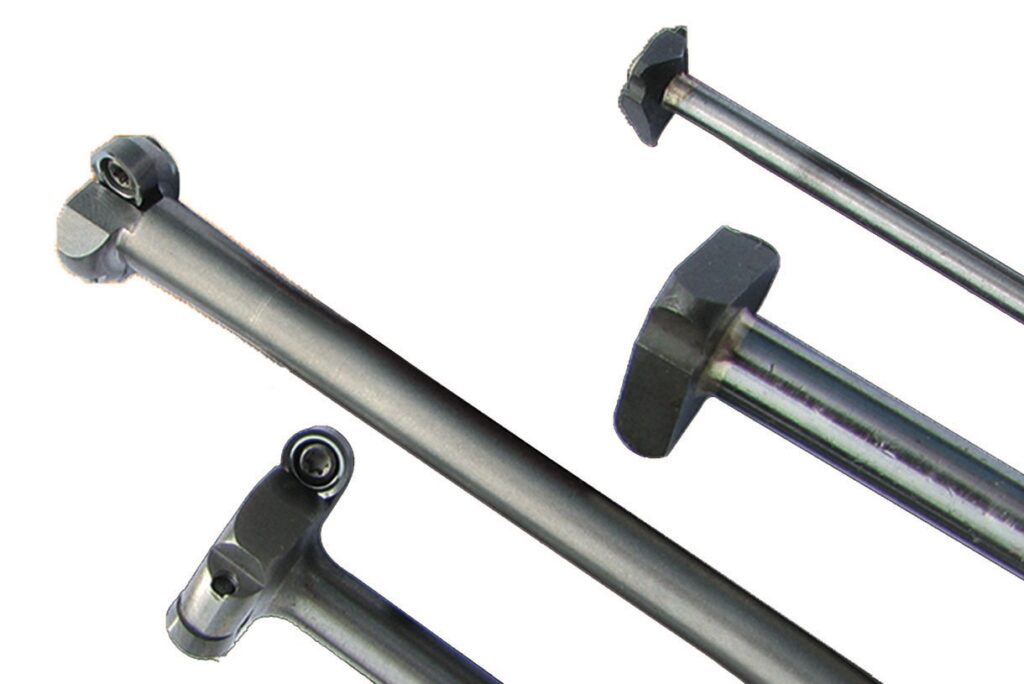
Specialist cutters
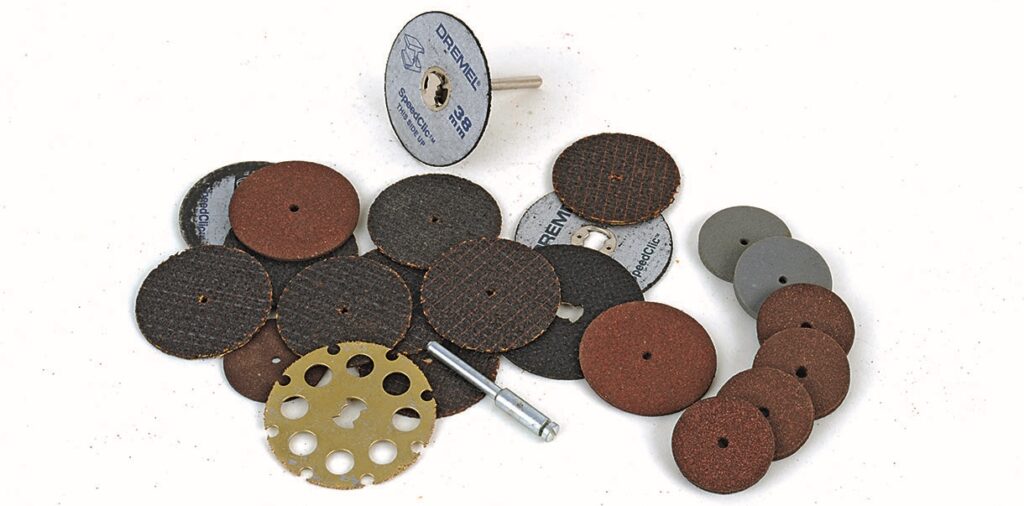
Cutting discs
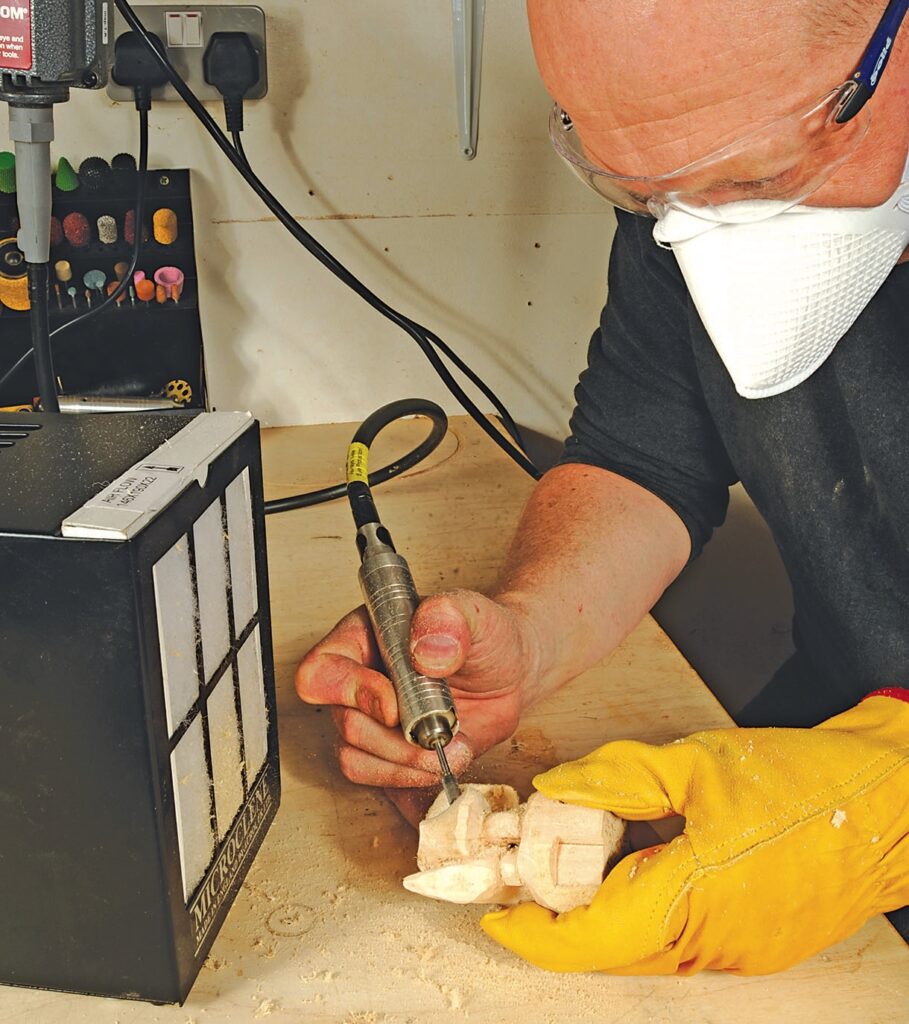
Personal protective equipment
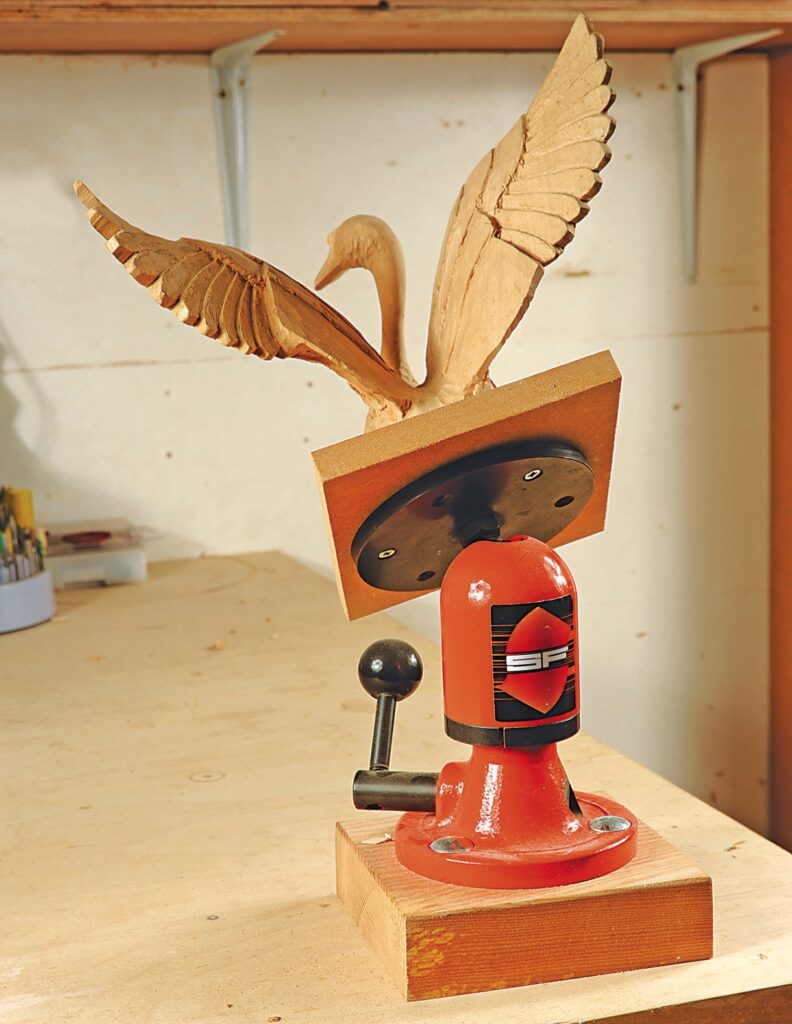
Securing your work
Securing your bits and cutters
Gloves and holding by hand
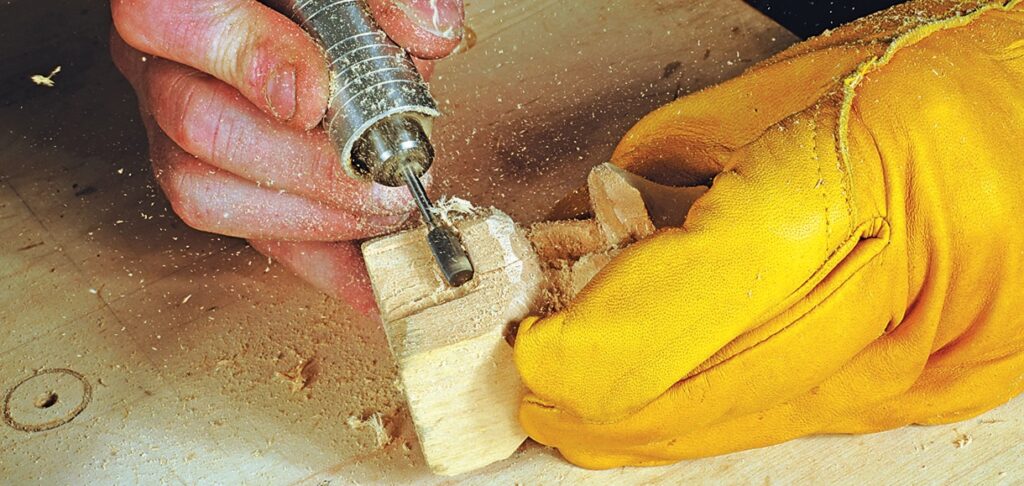
Clamping a piece is not always possible, so it may – depending on the size – be necessary to hold it in your hand. Some carvers even hold it in their lap – see earlier mention of leather apron. Of course, you need to have control of the work and be able to feel it, but you must protect your hand in case you slip with a cutter. I repeat, this should only be done as a last resort. If you choose to hold work in your hand, leather gloves afford better protection against toothed-cutters than woven-mesh anti-slash/stab or rubberised gloves which can easily become caught and wind in on the cutter teeth. Leather gloves will provide abrasion resistance, slash protection from cutters and they are long enough to protect your wrists too. Though, I repeat, this method is only recommended if you cannot find a better holding method
Top tip 1
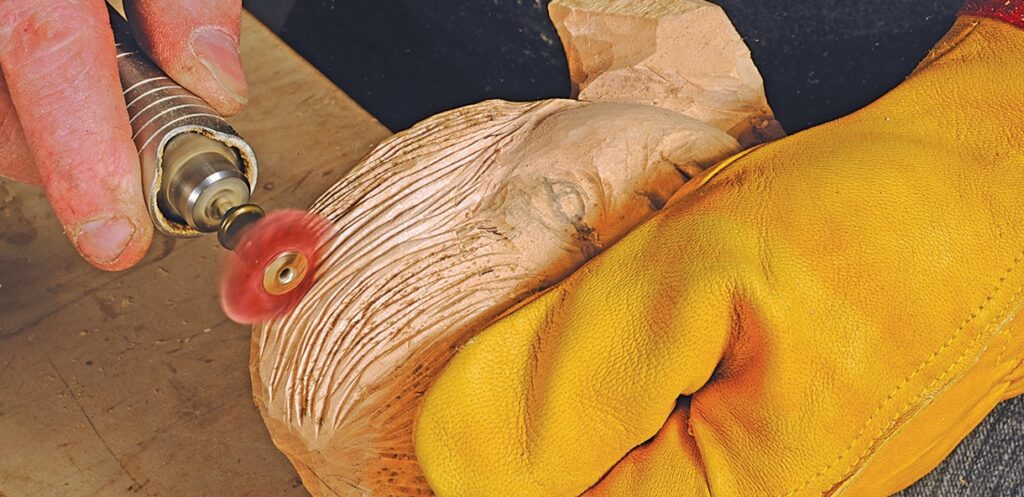
Many people are wary of sanding their work – especially when it’s hand carved. Making sure you pick the right abrasive for the job, as well as the correct shape, is vital. Choose badly and you’ll lose detail, not get to the areas you need to and potentially ruin your hard work. Do a bit of research; many of the latest developments are in cutting technology, which include abrasives. Have a look at the finish from this 3M bristle brush in the hair section and compare it to the unsanded areas
Top tip 2
Top tip 3
Top Tip 4
Suppliers
Dremel
Web: www.dremel.com
Shesto – Rotary carving units and accessories
Web: www.shesto.co.uk
Axminster – Rotary carving units and accessories
Web: www.axminster.co.uk
Foredom – Rotary carving units and accessories
Web: www.foredom.net
Mastercarver – Rotary carving units and accessories
Web: www.classichandtools.com
Web: www.woodcarverssupply.com
Silverline – Rotary carving units and accessories
Web: www.silverlinetools.com
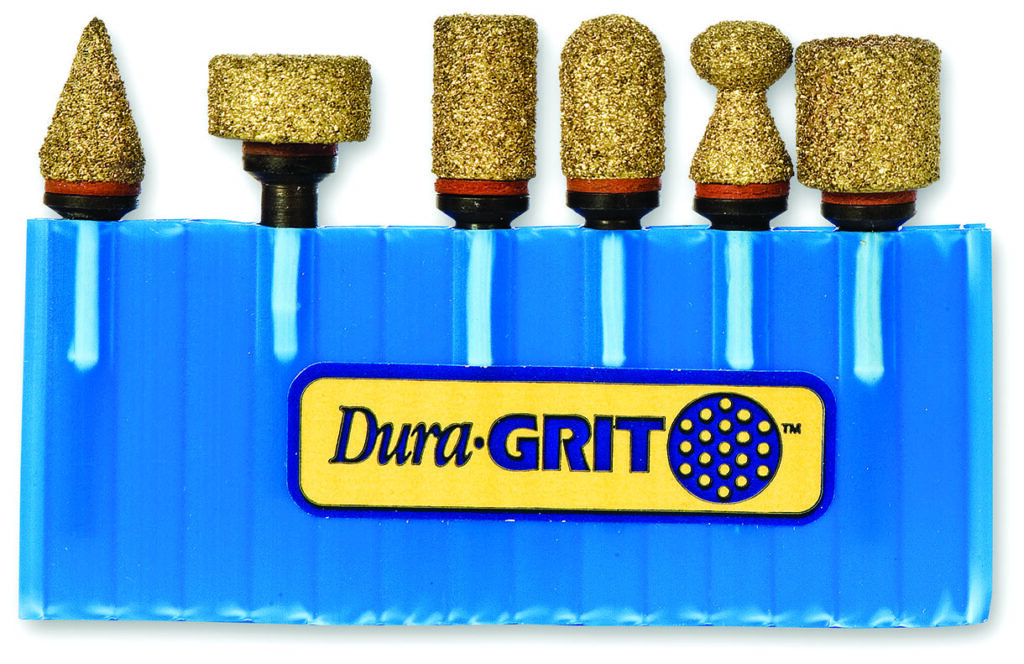
Duragrit – Rotary carving accessories only
Web: www.duragrit.com